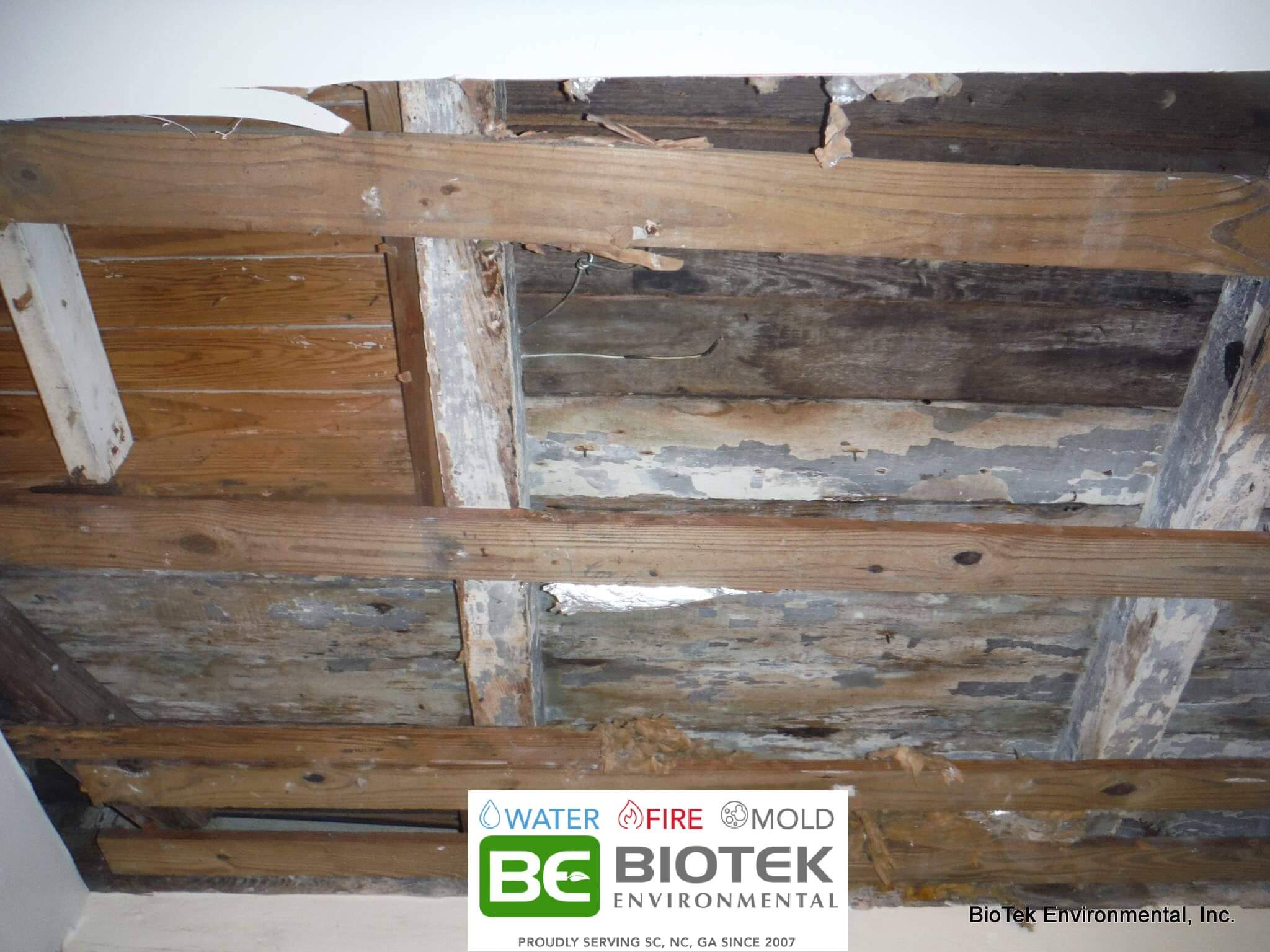
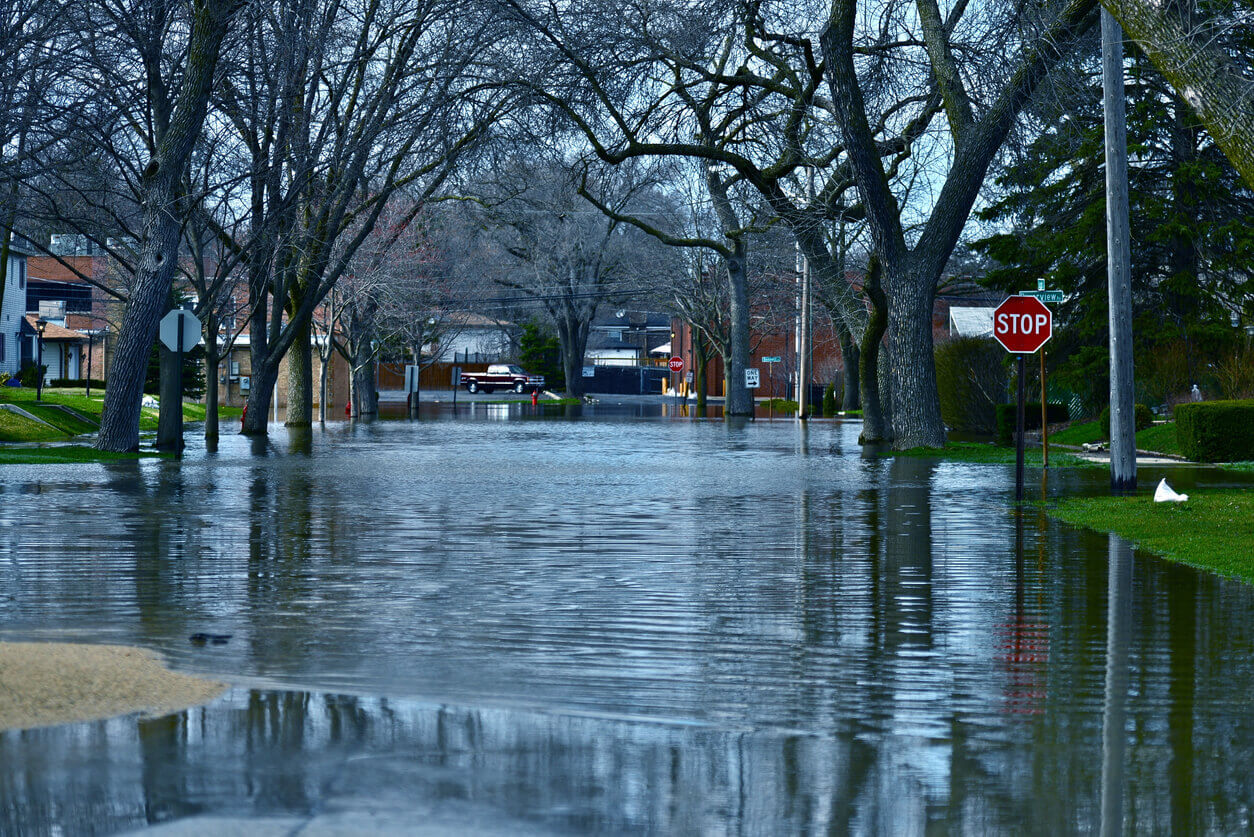
As a leading local water damage restoration company, BioTek Environmental Inc. has witnessed countless homeowners fall prey to the deceitful tactics of storm chasers, particularly following significant weather events like Helene and Debby. These opportunistic individuals capitalize on the vulnerability of home and business owners seeking to repair their properties as quickly as possible. They tend to employ high-pressure tactics and make empty promises. Unfortunately, water damage restoration storm chasers ultimately leave their “clients” with substandard work and inflated bills.
The Aftermath of a Storm: A Breeding Ground for Scammers
Imagine this: a fierce storm has just swept through your town, causing widespread destruction. Your home is damaged, and you’re in dire need of swift repairs. Suddenly, someone appears at your doorstep, offering what seems like an incredibly good deal on water damage restoration. They may even claim to have been sent by your insurance company. Beware, this is a classic ploy used by storm chasers.

There have been numerous incidents after devastating storms or hurricanes where families, overwhelmed by the extent of the damage to their homes, hastily signed contracts with water damage restoration storm chasers without bothering to verify their credentials. The chasers carried out a rushed and superficial job, pocketing the insurance payout and vanishing into thin air. When concealed mold issues emerged months later, the families were confronted with far more serious and costly problems.
Recognizing Water Damage Restoration Storm Chasers
Water damage restoration storm chasers are transient contractors who travel to regions affected by storms, seeking to exploit homeowners in need. They are often from out of state, lacking the necessary licenses and insurance to operate legally in your area. These companies prioritize profit over quality, resorting to shortcuts, using subpar materials, and disappearing before the job is truly finished.
Red Flags: Identifying a Storm Chaser
To shield yourself from falling victim to a storm chaser scam, it’s crucial to recognize the warning signs:

● Unsolicited Door-to-Door Visits: Reputable contractors rarely engage in door-to-door solicitation.
● Out-of-State Indicators: Be wary of vehicles with out-of-state license plates, phone numbers with unfamiliar area codes, and individuals lacking local addresses.
● High-Pressure Sales Tactics: Water damage restoration storm chasers often employ aggressive tactics, attempting to coerce you into signing a contract immediately without allowing sufficient time for consideration or obtaining alternative estimates.
● Unrealistic Offers: If a price seems too good to be true, it likely is. Be suspicious of unusually low bids, as they may indicate shortcuts, the use of inferior materials, or the intention to surprise you with hidden fees later on.
● Demands for Upfront Cash Payments: A reputable contractor will not demand full payment before commencing the work. Exercise caution and never pay for the entire job upfront. A reasonable deposit is customary, with the remaining balance due upon completion of the work.
● Lack of Credibility: Legitimate businesses will have a verifiable track record and online presence. Inquire about references and thoroughly check online reviews on platforms such as Google, Yelp, and Angie’s List. If a company lacks references or an online footprint, it’s a major red flag.
● False Claims of Endorsements: Be skeptical of any claims suggesting endorsements from insurance companies or government agencies like FEMA. Insurance companies do not send contractors to your doorstep, and FEMA does not endorse specific contractors.
The Dangers of Hiring a Water Damage Restoration Storm Chaser
Deciding to hire a storm chaser can lead to numerous problems, including:
● Substandard Workmanship: To maximize profits, storm chasers often rush jobs and use inferior materials, resulting in shoddy work.
● Concealed Expenses: The initial low price may be a deceptive tactic to lure you in. Be prepared for the possibility of encountering hidden fees and unexpected costs that inflate the final bill far beyond your initial expectations.

● Insurance Fraud: Storm chasers may try to pressure you into filing a fraudulent insurance claim or even propose covering your deductible, both of which are illegal activities.
● Lack of Accountability: Once the storm chasers have moved on, it becomes virtually impossible to hold them accountable for any issues that arise or to enforce warranties.
Essential Verification: Licenses, Insurance, and Certifications
A crucial step in avoiding storm chaser scams is meticulously verifying the contractor’s credentials. Always request to see their:
● Contractor’s License: This serves as proof that they are legally authorized to operate in your state.
● Insurance Certificates: Ensure they possess both liability insurance and worker’s compensation insurance. Liability insurance protects you from financial responsibility in case of property damage or injuries caused by the contractor’s negligence. Worker’s compensation insurance covers medical expenses and lost wages for workers injured on the job.
● Manufacturer’s Certification: This demonstrates that the contractor has received proper training and possesses the qualifications to install specific products, ensuring that the installation meets the manufacturer’s standards and specifications.
Don’t simply accept their word at face value. Verify their license number with your state’s contractor licensing board and contact the insurance company directly to confirm the validity and coverage details of their insurance policies.
Resist the “Free Inspection” Lure
A common tactic employed by storm chasers is offering free inspections as a way to gain access to your property and initiate a sales pitch. These “inspections” often serve as a platform for exaggerated claims of damage and scare tactics aimed at pressuring you into signing a contract. Remember, you have the right to decline an inspection and select a contractor of your own choosing.
The Proper Way to Deal With Storm Damage
If your home sustains damage in a storm, follow these steps:
Prioritize Safety
Before assessing the damage, ensure the area is safe. If there is standing water or suspected electrical hazards, shut off the power to the affected area and immediately contact a licensed electrician. [From previous responses]
Thorough Documentation
Take detailed photographs and videos of the damage, which will be crucial for supporting your insurance claim.
Contact Your Insurance Company
Promptly report the damage to your insurance company and file a claim. Ask about their specific procedures for handling repairs and seek clarification on any aspects of the process that you find unclear.
Obtain Multiple Estimates
Avoid rushing into a decision based solely on the first contractor who approaches you. Gather at least three estimates from reputable local companies to compare pricing, services, and expertise.
Check References
For each contractor under consideration, request references from previous clients and take the time to verify their credentials. This step can help you determine the contractor’s reliability, professionalism, and quality of work.
Scrupulous Contract Review
Before signing any documents, carefully review the contract, ensuring you fully understand all the terms and conditions. Pay close attention to payment schedules, warranty information, and the scope of work outlined.
Never Sign Blank Contracts
Be extremely wary of any contractor who presents you with a blank contract. Storm chasers sometimes employ this tactic to insert hidden fees or alter the terms of the agreement after you have signed it.
Avoid Full Upfront Payments
Reputable contractors will not demand full payment before the work begins. A reasonable deposit is standard practice, with the remaining balance due upon satisfactory completion of the project.
Safeguarding Against Electrical Hazards After Water Damage
Based on my extensive experience, we cannot emphasize enough the paramount importance of electrical safety following water damage. Water and electricity are a hazardous combination, posing a serious risk of electrocution. Always err on the side of caution:
● Never Enter Flooded Areas with Live Power: Do not enter any area with standing water or dampness if the power is still on.
● Treat Electrical Components as Live: Assume that all electrical components, outlets, wiring, and appliances in water-damaged areas are energized until proven otherwise by a qualified electrician.
● Refrain from DIY Electrical Repairs: Unless you are a licensed and experienced electrician, do not attempt to repair or modify any electrical systems or components that have been exposed to water.
Addressing Health Risks Associated with Water Damage
Water damage extends beyond structural repairs; it also presents significant health risks that should not be overlooked. Mold can begin to grow within a mere 24 to 48 hours in damp environments, and floodwater often carries harmful contaminants that can pose health threats.
Protective Gear is Essential
When cleaning up floodwater or handling water-damaged materials, always wear appropriate protective gear, including gloves, masks, and waterproof boots. This helps minimize exposure to contaminants and potential health hazards.
Thorough Drying is Crucial
Mold thrives in moisture. Ensure that the affected area is thoroughly dried to prevent mold growth. Use fans, dehumidifiers, and open windows to facilitate drying.
Professional Mold Remediation
If you detect signs of mold growth, such as a musty odor or visible mold colonies, it’s crucial to contact a qualified mold remediation specialist like BioTek Environmenta Inc. Mold can release spores into the air, posing respiratory and other health problems.
The Lasting Consequences of Inadequate Restoration
Choosing an unqualified or unreliable contractor can have long-term consequences that extend far beyond the immediate aftermath of the storm:
Recurring Water Damage
Improperly executed repairs can create vulnerabilities that allow water to infiltrate your home again in the future, perpetuating the cycle of damage and potentially fostering mold growth.
Structural Compromises
A poorly repaired roof or foundation can jeopardize the structural integrity of your home, leading to instability, cracks, and costly repairs down the line.

Diminished Property Value
Water damage and visible signs of shoddy repairs can significantly decrease the value of your property, making it less appealing to potential buyers if you decide to sell.
Investing in a reputable contractor with a proven track record may involve a higher initial cost, but it’s a wise investment that can save you from more extensive expenses and headaches in the long run.
Local Expertise vs. National Reach: Making the Right Choice
While the allure of a large national company may be tempting, local companies often offer distinct advantages that cater to the specific needs of homeowners in your area:
Strong Community Ties
Local water damage restoration contractors like BioTek Environmental are deeply rooted in the community and have a vested interest in maintaining a positive reputation among their neighbors. They rely on word-of-mouth referrals and repeat business, which motivates them to provide excellent service and build lasting relationships with their clients.
In-Depth Knowledge of Local Codes
Local contractors are well-versed in the specific building codes and regulations that apply to your area. This ensures that any restoration work they perform complies with local requirements, reducing the likelihood of complications during inspections or insurance claims.
Personalized Attention
Local companies are often smaller in scale, which allows them to provide more personalized attention and be responsive to your individual needs and concerns. They are more likely to take the time to explain the restoration process thoroughly, answer your questions patiently, and address any specific requests or requirements you may have.
Choosing a local company with a proven track record of quality workmanship, excellent customer service, and strong community ties can provide you with peace of mind knowing that your home is in capable hands.
Referrals and Reviews
Word-of-mouth referrals and online reviews are invaluable resources when selecting a contractor.
Get Recommendations from Your Network
Reach out to friends, family members, neighbors, and colleagues who have had experience with water damage restoration or similar home repairs. They can provide firsthand insights and recommend trustworthy contractors they have personally worked with.
Explore Online Review Platforms
Consult reputable online review websites such as Google, HomeAdvisor and Angie’s List to gain insights into the experiences of other customers who have hired the contractors you are considering. Pay attention to patterns in reviews, both positive and negative, to get a more comprehensive picture of the contractor’s strengths and weaknesses.
Don’t base your decision solely on the contractor’s website or marketing materials, which can be carefully crafted to present a favorable image. Seek unbiased perspectives from real people who have directly experienced the contractor’s work and customer service.
Frequently Asked Questions
Q: My insurance company has recommended a contractor. Am I obligated to hire them?
While your insurance company may provide a list of preferred vendors, you are under no obligation to use them. You have the right to choose any contractor you feel comfortable with, and it’s always advisable to gather multiple estimates before making a decision.
Q: I suspect a contractor is attempting to scam me. What steps should I take?
If you have reason to believe a contractor is engaging in fraudulent or unethical practices, report them to the appropriate authorities, including your state’s contractor licensing board, the Better Business Bureau, your insurance company, and, if necessary, local law enforcement.
Q: How can I verify if a contractor is properly licensed and insured?
Don’t hesitate to ask for proof of their license and insurance certificates. You can then independently verify this information by contacting the respective agencies. Your state’s contractor licensing board can confirm the validity of a contractor’s license, and you can contact the insurance company directly to validate their insurance coverage details.
Contact a Professional Water Damage Restoration Company
Remember, selecting a water damage restoration company is a significant decision that should not be taken lightly. Take your time, conduct thorough research, and don’t be afraid to ask questions to ensure you are making an informed choice. By exercising caution and gathering the necessary information, you can protect yourself from storm chaser scams and guarantee that your home is restored properly.

If you suspect that your home has suffered water damage or mold growth, don’t hesitate to contact Biotek Environmental, Inc. We can provide you with professional water damage restoration services in Columbia, Greenville, and Spartanburg, SC, including Charlotte, NC and Augusta, GA.
We can give you peace of mind, and also save you money on water damage and flood repair. We will work diligently to protect your home and family from the serious health risks of water damage. Call us toll-free at (866) 630-7340 any time of the day or night, 365 days a year, or contact us online now.
We have been providing water damage restoration and emergency water damage repairs since 2007. Our crews handle water damage repair in accordance with proven industry standards. Don’t choose any Remediation or Restoration Company that does not provide a legitimate bumper-to-bumper warranty on all their services! We offer some of the best and most comprehensive 30-Year warranties in the Industry.