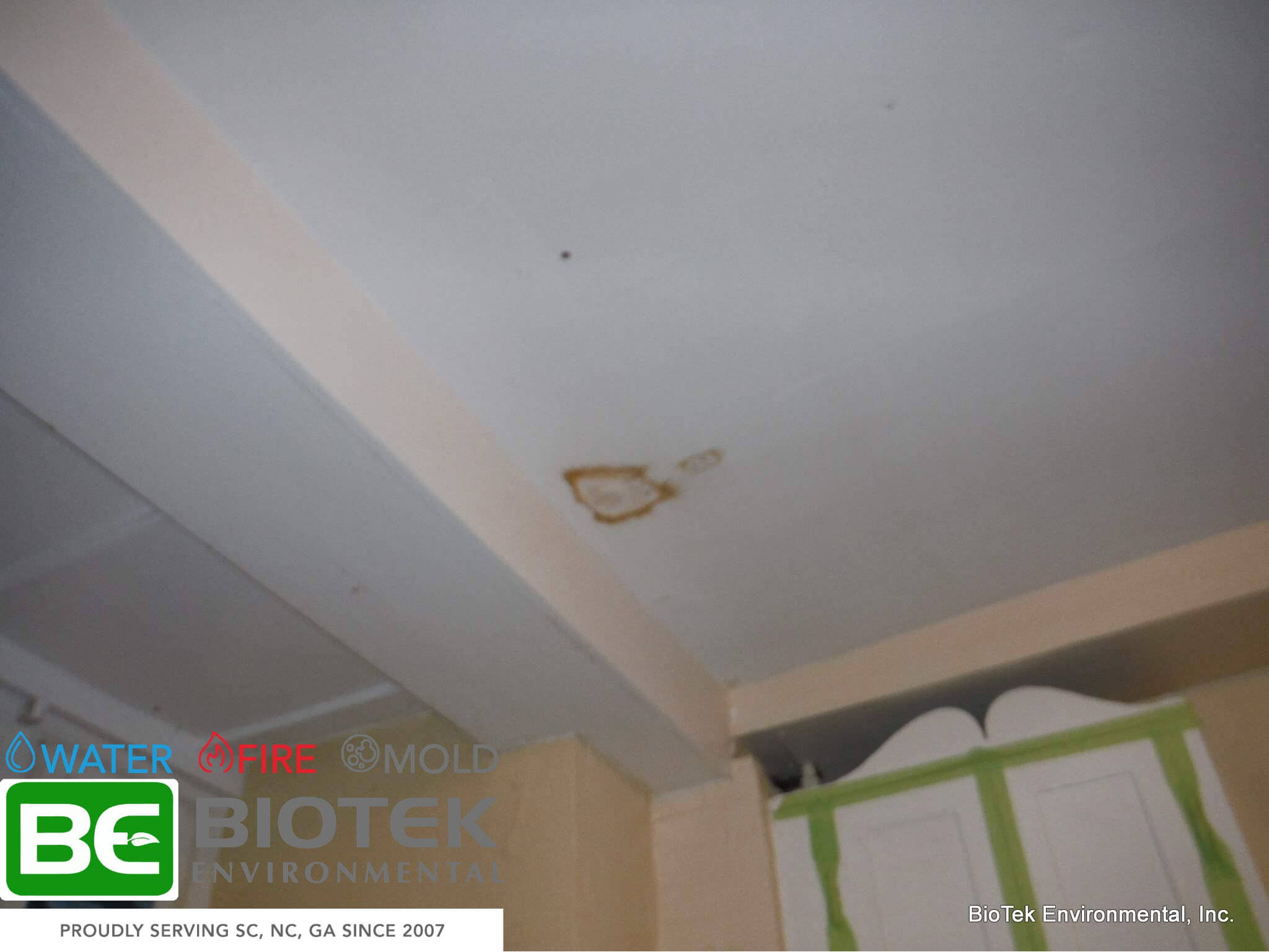
A leaking roof can be a homeowner’s worst nightmare, especially when it leads to drywall water damage. Whether it’s a sudden leak caused by a storm or a slow drip from a damaged roof, these problems can cause severe damage to your home and even result in costly repairs. BioTek Environmental Inc. would like to provide you with everything you need to know about roof leaks and drywall water damage, including how to prevent them and what to do if you notice any signs.
Roof Leaks
Roof leaks occur when water penetrates through your roof and into your home. This can be caused by a variety of factors, such as:
- Missing or damaged shingles
- Cracks in the roof
- Clogged gutters or downspouts
- Improperly sealed flashing around chimneys, vents, and skylights
It’s vital that you address any roof leak issues since they can result in significant damage to your home, including structural damage, mold growth, and damage to your ceiling and walls.
How Can You Prevent Roof Leaks?
Preventing roof leaks is essential to maintaining your home’s integrity. Here are some tips to help prevent roof leaks:
- Regularly inspecting your roof can help you identify any potential issues before they become more significant problems.
- Keep your gutters clean because clogged gutters can cause water to overflow and damage your roof and walls.
- Remove debris such as leaves, branches, and other objects from your roof since they can cause damage to your roof and block water from draining correctly.
- Trim overhanging branches that can damage your roof during storms and allow pests such as squirrels and raccoons to access your home.
- Replace damaged or missing shingles immediately to prevent water from seeping into your home.
By taking these proactive measures and addressing any signs of wear or tear, you can minimize the risk of costly repairs and protect your investment in your home. Regular maintenance will ensure that your roof remains in good condition and provides reliable protection from the elements for years to come.
Drywall Water Damage
Drywall is one of the most commonly used materials to create walls and ceilings in homes. Unfortunately, it’s prone to moisture-related issues that can cause significant damage if not addressed promptly. Some common causes of drywall water damage include leaky roofs or pipes, heavy rainfall, flooding, high humidity levels, condensation buildup on cold surfaces, and mold growth. If not addressed quickly, damaged drywall could even result in a structurally weakened wall or ceiling that may collapse.
Signs of Drywall Water Damage
When it comes to drywall water damage, there are several signs that you should look out for. These signs may not always be immediately obvious so it’s important to keep an eye out for any changes in your home’s interior that could indicate a problem.
Water Stains or Discoloration

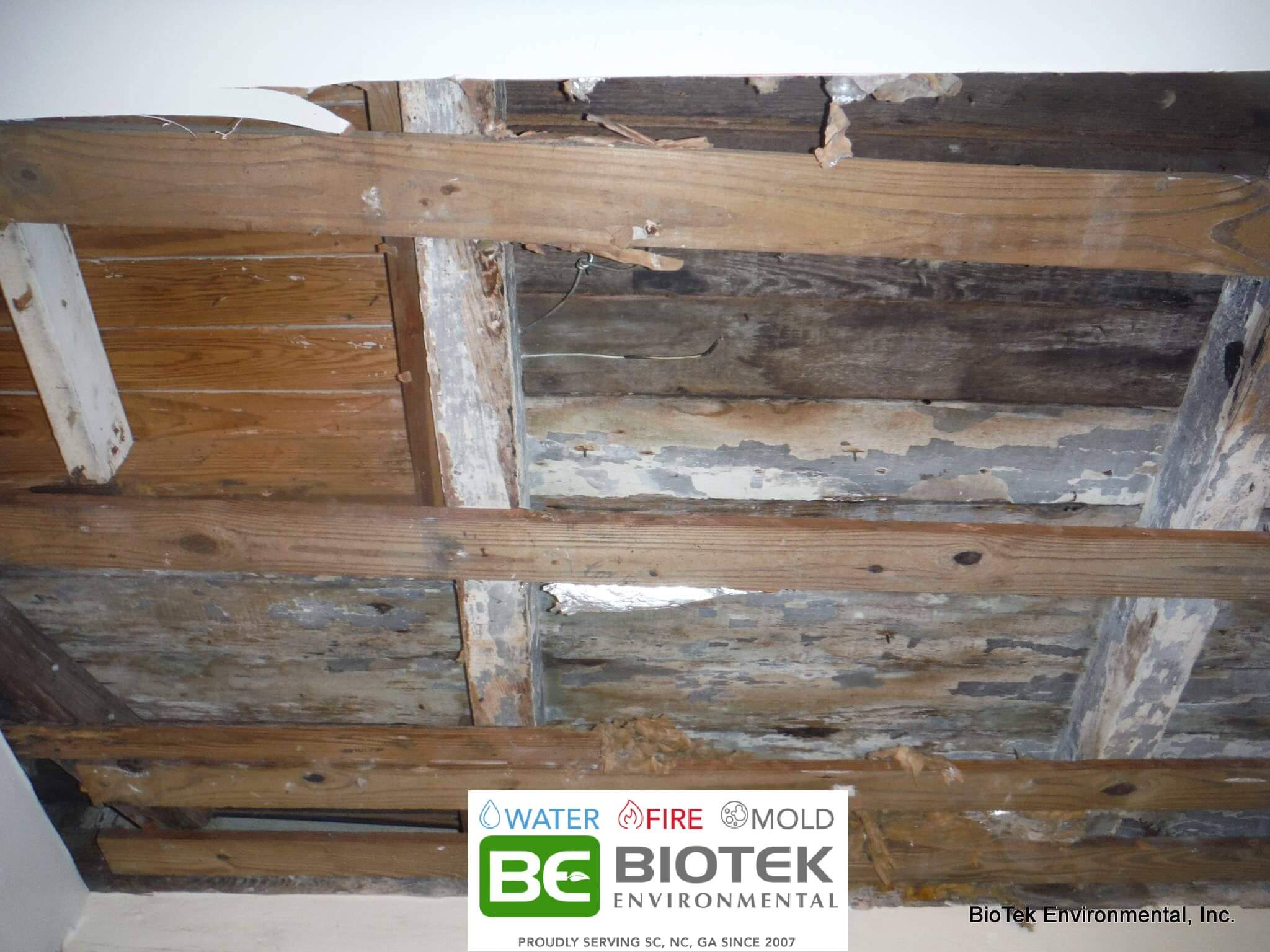
The most obvious signs of drywall water damage are water stains or discolorations. These can manifest as brown or yellow stains on your walls or ceiling. These stains can be caused by water that has seeped into your drywall. They may also indicate the presence of mold or mildew and could cause further structural issues if left unaddressed.
Sagging or Bubbling
When drywall absorbs water, it can swell up, causing noticeable bulging or warping. Drywall that has become saturated with water may start to sag or bubble. What’s more, if you touch it, the drywall may feel damp or soggy. Affected sections of the wall may also appear distorted or misaligned, which can indicate significant levels of moisture intrusion causing it to lose its structural integrity. In severe cases, the drywall may even break apart.
Loose or Cracked Tape Lines
One way to check for water damage in walls includes examining joint compound taping along interior corners or at ceiling junctures with walls. These delicate tape lines can loosen, separate, or develop cracks after exposure to excessive humidity, indicating potential water infiltration problems.
Peeling Paint or Wallpaper
If the affected area contains painted surfaces or is covered with wallpaper, you may notice peeling beginning to occur. This can occur because the paint and wallpaper can start to lose their adhesive properties.
Musty Odors
If you detect a musty odor in your home, it could be a sign of drywall water damage. This odor is caused by the presence of mold or mildew, which can grow in damp environments like those created by water-damaged drywall.
Increased Humidity
If your home feels more humid than usual, it could also be a sign of drywall water damage. This is because water can increase the humidity levels in your home, leading to a damp and uncomfortable environment.
If you notice any of these signs of drywall water damage, it’s important to take action as soon as possible. Leaving the problem unchecked can lead to more serious issues down the line, including structural damage and health problems caused by mold and mildew.
How Can You Prevent Drywall Water Damage?
Preventing drywall water damage is essential to keeping your home healthy and safe. Here are some tips to help prevent drywall water damage:
- Regularly inspect your plumbing for leaks or signs of wear and tear regularly.
- Install basement drains and a sump pump if you live in an area prone to flooding. By installing a sump pump in your basement, you can help prevent water from entering your home when there is too much water in the ground level. This will help get rid of excessive liquid before it reaches your walls. Sump pumps also have backup power sources in case the primary source fails like an outlet failure due to storms.
- Keep your gutters clean, since as we have already mentioned, clogged gutters can cause water to overflow and damage your walls and drywall.
- Check for signs of roof leaks roof for any signs of leaks to prevent water from seeping into your walls.
- Waterproof all areas around windows and doors including siding, trimming, and sealing cracks and openings with caulk. Additionally, keep an eye out for any signs of wear that would indicate a need for replacement window and door installations.
What Should You Do If You Notice Signs Of Roof Leaks Or Drywall Water Damage?
If you notice any signs of roof leaks or drywall water damage, it’s crucial to act quickly to prevent further damage. Consequently, you need to locate and eliminate the root cause. Water damage can result from various sources – from torrential rainfall to busted pipes. To stop indoor flooding, the water flow should be turned off.
However, sometimes identifying exactly what led to the leak can pose difficulties. Contact water damage experts like the technicians at BioTek Environmental Inc who can pinpoint trouble spots without delay.
You should also document the damage by taking photos to provide to your insurance company. It’s important that any damage is repaired properly. This may involve involves removing the affected area and replacing it with new drywall sheets. Depending on how severe the damage is, other steps might involve treating any resulting mold infestations or addressing any underlying structural issues. It’s essential to work with qualified professionals who specialize in repairing drywall water damage to ensure the problem is adequately resolved for optimal results and safety purposes. This way, you can prevent further issues down the road while ensuring your home remains safe, comfortable, and visually appealing for years to come.
Contact BioTek Environmental for Professional Water Damage Restoration
Roof leaks and drywall water damage can cause significant damage to your home and result in costly repairs. By regularly inspecting your home for potential issues and taking preventative measures, you can help protect your home and your family. We hope the information we have shared with you will help you avoid issues more serious water damage issues. You can depend on Biotek Environmental, Inc. to provide you with professional water damage restoration services in Columbia, Greenville, and Spartanburg, SC, including Charlotte, NC and Augusta, GA.
We can give you peace of mind, and also save you money on water damage and flood repair. We will work diligently to protect your home and family from the serious health risks of water damage. Call us toll-free at 866-630-7340 any time of the day or night, 365 days a year, or contact us online now.
We have been providing water damage restoration and emergency water damage repairs since 2007. Our crews handle water damage repair in accordance with proven industry standards. Don’t choose any Remediation or Restoration Company that does not provide a legitimate bumper-to-bumper warranty on all their services! We offer some of the best and most comprehensive 30-Year warranties in the industry.