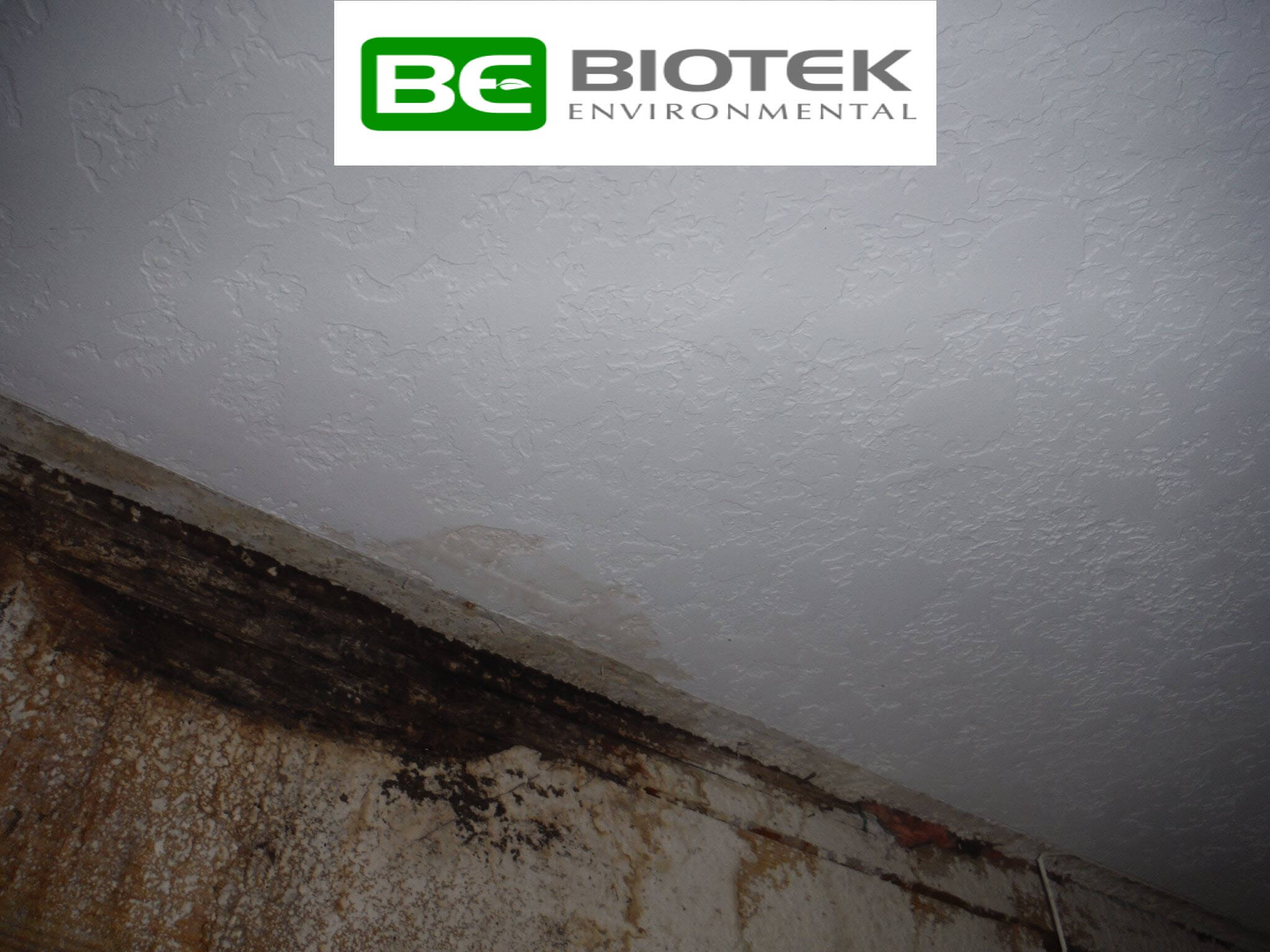
Black mold (Stachybotrys chartarumas) has the potential to cause serious health problems if it grows unchecked or is present in large amounts. Before you panic about the possibility of developing dangerous symptoms from exposure to black mold, let’s explore some of the potential health effects of black mold exposure and how to prevent them from happening.
What is Black Mold and Why is It Dangerous?
Black mold is something that most people know little to nothing about. It is a common indoor fungus that can grow in damp and warm conditions, such as basements or bathrooms. Although it can grow anywhere, homes that are built with non-porous materials and well-sealed windows tend to have less black mold growth than other homes.
Black mold exposure can cause chronic respiratory disease, which causes inflammation and irritation to the airways. It can also be harmful to people with asthma or allergies and can cause damage to your circulatory system. Generally, the health issues are not permanent and should subside once the mold infestation is removed. However, there are cases where individuals experienced long-term or permanent health issues due to extended exposure to black mold.
Health Effects Related to Black Mold Exposure
Respiratory Problems
Do you experience persistent swellings in your nasal cavity? Have you noticed that when you are at home you have a runny nose, headaches, body aches, and coughing? These are symptoms of respiratory and sinus issues caused by mold. Mold spores are tiny and float through the air when they’re disturbed by movement or changes in temperature or humidity levels. When they come into contact with your lungs, the spores can cause respiratory problems such as asthma, bronchitis, and allergic reactions.
For example, you could develop hypersensitivity pneumonitis. This illness is an immune system disorder that causes chronic lung inflammation. Long-term exposure to black mold can also cause acute neutrophilic rhinitis which is an upper respiratory disease that causes persistent nasal infections. In general, black mold has been found to cause chronic sinus infections, not just allergic rhinitis.
Skin Irritation
If you have sensitive skin or are highly allergic to mold, you may develop red patches on your skin, referred to as mold-associated skin rash. It is an allergic reaction caused by exposure to mold spores that have been released into the air.
A mold-associated rash is similar to other rashes caused by allergies. For example, it can occur in more than one area of the body, it can be itchy and is usually pink/red dry patches. Therefore, in order to determine if the rash is caused by exposure to mold, you need to determine if you are allergic to mold and have been exposed to it. Since it is hard to differentiate one allergic reaction from the other, the best way to know if you have a mold-associated skin rash is to identify if you have a mold allergy and if you have recently been exposed to mold.
Chronic Illnesses and Mold Poisoning
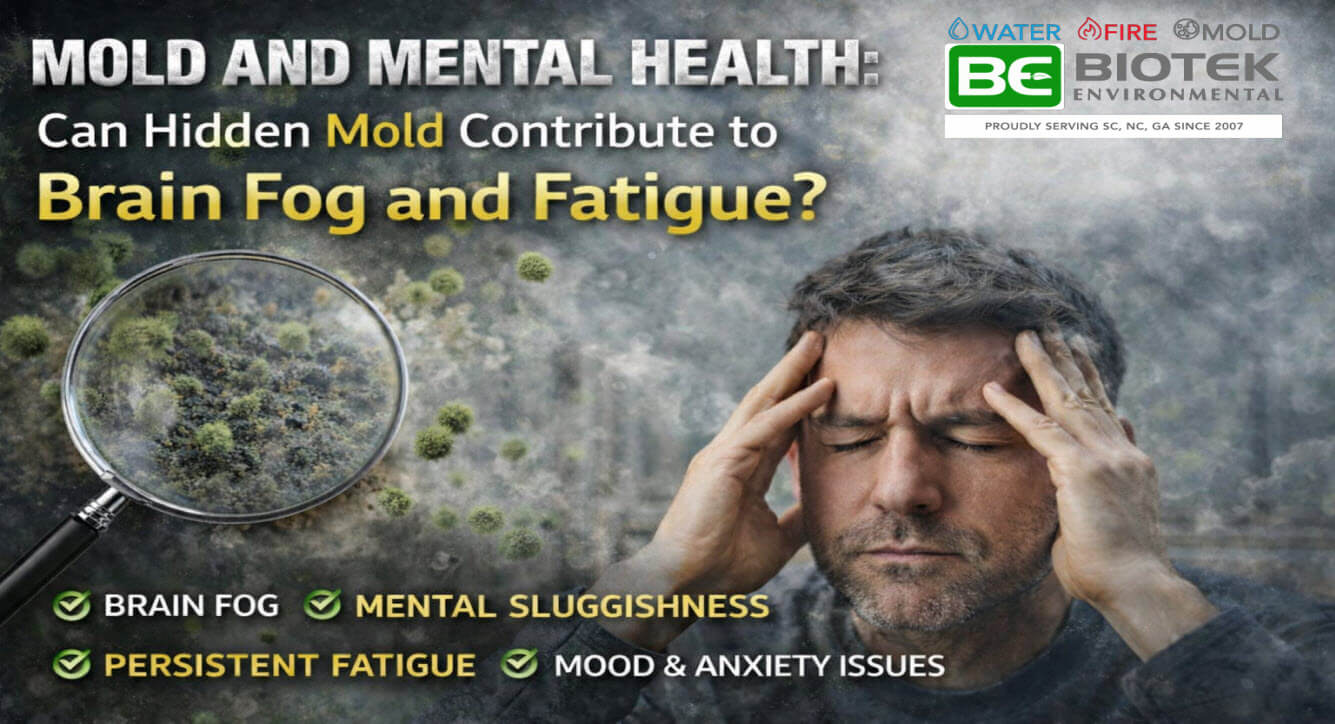
Exposure to black mold will not result in chronic illness immediately. However, if you are exposed to it on a long-term basis, you may experience chronic inflammatory response syndrome (CIRS) which can cause neurological issues, nasal congestion, mood swings, vertigo, body pain, fatigue, and even digestive problems.
Similarly, mold poisoning or mold toxicity can also occur which has effects such as CIRS including blurred vision, depression, anxiety, and sleep disturbance.
How to Minimize the Effects of Black Mold Exposure
Prevent Mold Growth In Your Home
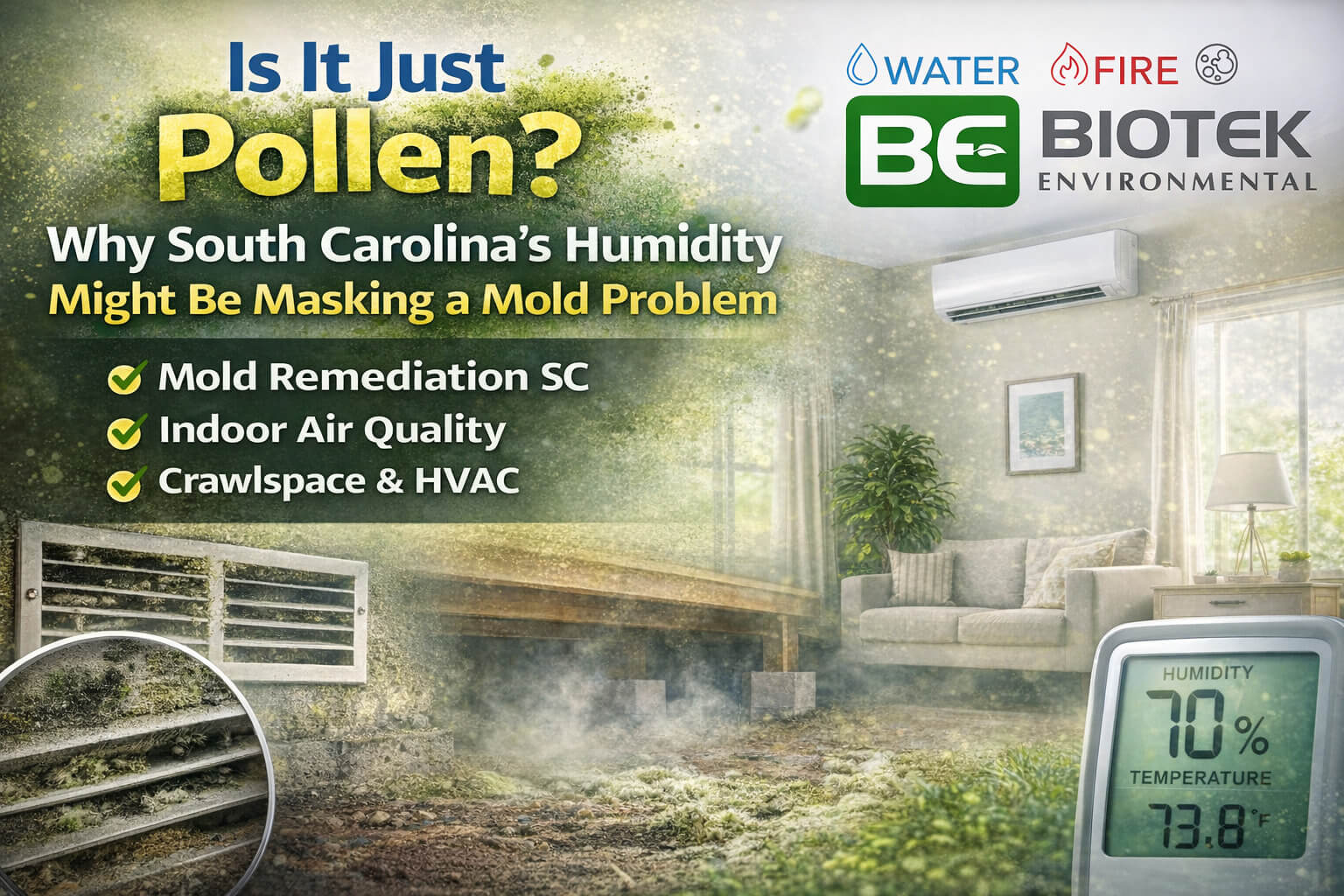
Mold is found everywhere but it will grow and thrive in warm, humid, and damp areas such as your basements, bathrooms, and kitchens. Therefore, the first step to take in order to minimize the possibility of being exposed to mold is to ensure you don’t provide it with the conditions to grow and thrive. This means that you need to make sure you don’t have any leaking pipes in your home and that any moisture in the kitchen or bathrooms is removed through proper ventilation systems or dehumidifiers.
It is vital for any home or business to have proper ventilation to remove removing excess moisture so you can avoid mold issues. If you have effective ventilation, you will be able to maintain good indoor air quality and protect your family’s health.
Get Professional Mold Removal / Remediation
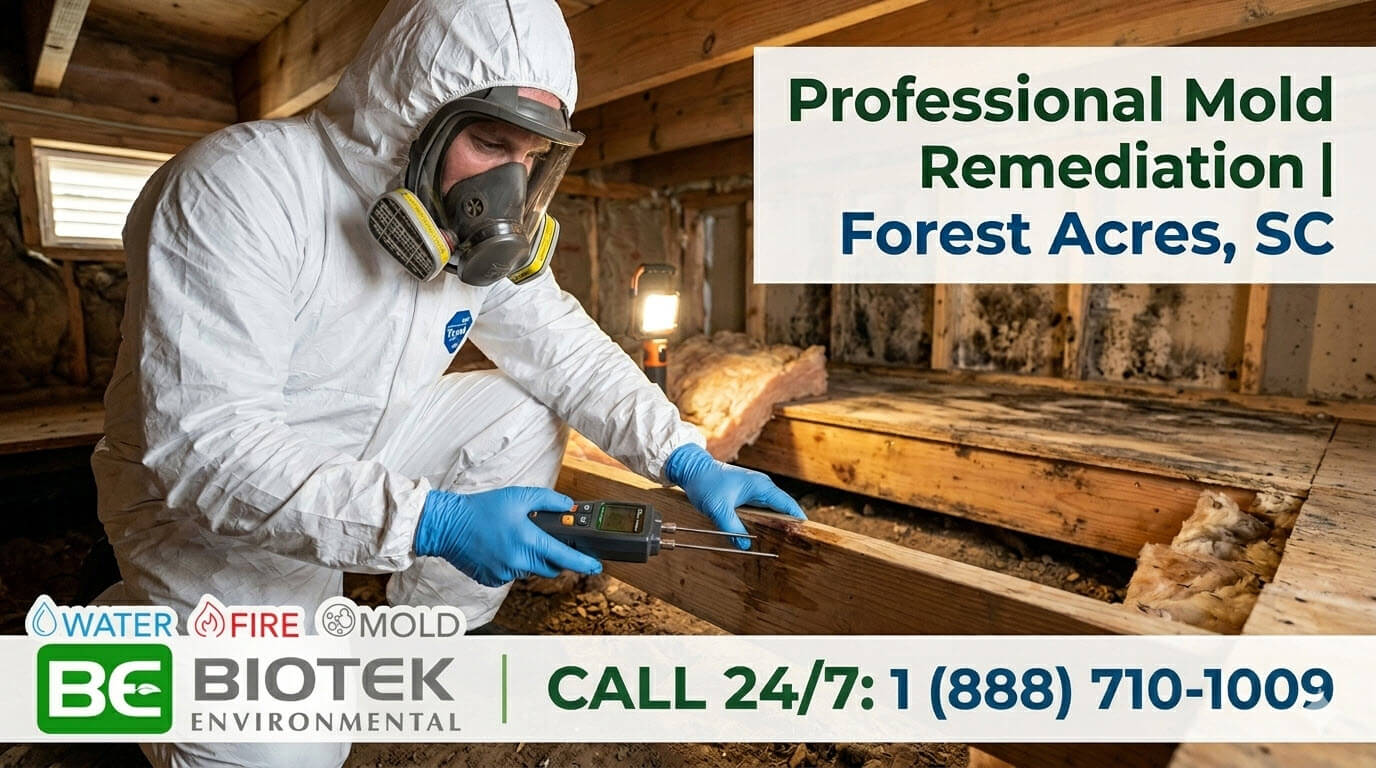
The best way to deal with black mold and its effects on your health is to remove it from your home and work environments. This should be done by asking for professional mold inspections and remediation. Do-it-yourself products will not be as effective nor will they provide you with any guarantees that the mold won’t return again soon. Professional mold remediation companies like BioTek Environmental provide guarantees for their work. In fact, at BioTek Environmental, we provide you with the best and most comprehensive warranties in the industry. Don’t choose any remediation or restoration company that does not provide a legitimate bumper-to-bumper warranty on all their services!
Contact BioTek Environmental for Effective Mold Remediation
If you know or even suspect that you have mold issues in your home or workplace, you should take immediate action. If you are a resident of Columbia, Greenville, or Spartanburg, SC, call BioTek Environmental Inc at 866-630-7340 24/7 – 365 days a year, or contact us online. We can provide you with professional mold inspection, mold removal, and remediation services. Our Clean, Green Restoration methods employ EPA-registered and environmentally safe chemistries to help our customers reclaim their property from mold removal, and flood and fire damage in the safest ways possible.