If you’ve discovered mold in your home or business in Forest Acres, fast action matters. Humidity, crawl space moisture, roof leaks, and storm-related water intrusion are common causes of mold growth throughout the Columbia area.
BioTek Environmental Inc. provides professional mold remediation, mold inspections, and moisture-control solutions for homeowners and businesses in Forest Acres and surrounding neighborhoods.
South Carolina’s warm, humid climate creates near-ideal conditions for mold to develop and spread. Forest Acres, nestled within the greater Columbia metro area, is especially susceptible to mold problems due to its mature tree canopy, older housing stock, and proximity to low-lying, moisture-prone land. Homeowners here often deal with elevated indoor humidity levels year-round, and when moisture finds its way into a crawl space, attic, or interior wall, mold can begin colonizing within 24 to 48 hours.
The stakes are high. Mold growth that goes unaddressed doesn’t simply stay in one place; it spreads, consuming organic building materials like wood, drywall, and insulation. Beyond structural damage, active mold colonies release spores into your indoor air, creating serious health risks for occupants, particularly those with allergies, asthma, or compromised immune systems.
That’s why professional mold remediation is not just a recommendation, it’s a necessity. Attempting to clean mold with off-the-shelf products rarely eliminates the problem at its source and can actually disturb spores, spreading contamination to other areas. BioTek Environmental Inc. uses industry-proven, affordable, non-toxic alternatives, professional-grade equipment, and deep local knowledge to get the job done right the first time. As a result, we can offer one of the best and most comprehensive 30-year warranties in the Industry.
Common Mold Problems in Forest Acres Homes
Forest Acres homeowners face a unique combination of environmental and structural factors that make mold growth more likely than in many other regions. Understanding these contributing causes is the first step toward protecting your property.
Why Local Conditions Create Higher Mold Risk
The Columbia, SC area averages over 46 inches of rainfall per year, and summer humidity levels regularly climb above 70 percent. In neighborhoods like Forest Acres, where large, shaded lots are common and many homes were built decades ago, moisture management is an ongoing challenge. Older homes may lack modern vapor barriers in crawl spaces, have outdated HVAC systems that struggle with humidity control, or feature original roofing that no longer provides reliable protection against water intrusion.
Add in the region’s heavy spring and summer storms, frequent afternoon downpours, and the presence of mature trees (which not only provide shade but also deposit debris that can clog gutters and drainage), and you have a recipe for persistent moisture problems and mold.
Common Causes of Mold in Forest Acres Homes
| Moisture Source | Why It’s a Problem in Forest Acres |
| Crawl Space Humidity | Many older homes lack encapsulation; groundwater vapor accumulates and promotes mold on wood framing and subfloors. |
| Aging HVAC Systems | Older units struggle to dehumidify effectively, leading to elevated indoor humidity and condensation on surfaces. |
| Roof Leaks After Heavy Rain | Storm-related roof damage allows water to infiltrate attic spaces, insulation, and ceiling drywall. |
| Bathroom Moisture Buildup | Inadequate exhaust ventilation traps steam and humidity, creating ideal mold-growth conditions on tile, grout, and drywall. |
| Poor Attic Ventilation | Insufficient airflow in attics leads to heat and moisture buildup, especially after rain, fueling mold on sheathing and rafters. |
| Plumbing Leaks | Slow leaks behind walls or under floors can go undetected for months, providing sustained moisture to hidden surfaces. |
| High Outdoor Humidity | South Carolina’s climate keeps indoor relative humidity elevated, especially in basements and crawl spaces without dehumidifiers. |
| Wooded, Shaded Lots | Shaded areas dry more slowly after rain, increasing moisture retention around foundations and exterior walls. |
Signs You May Need Mold Remediation
Mold is not always visible, but your home often gives off warning signs long before a serious infestation becomes obvious. Recognizing these signals early can save you thousands in remediation and repair costs, and protect your family’s health.
Common Warning Signs to Watch For
- Persistent musty or earthy odors in certain rooms, closets, or the basement, even when nothing looks visibly wet
- Visible dark spots (black, green, gray, or white) on walls, ceilings, grout lines, window sills, or around HVAC vents
- Allergy-like symptoms, such as sneezing, runny nose, itchy eyes, or coughing, that improve when you leave the house
- Warped, bubbling, or discolored drywall or wood flooring, which may indicate moisture trapped behind surfaces
- A history of flooding, plumbing leaks, or water damage that was not professionally dried and treated
- Condensation forming regularly around windows, vents, or on pipes is a sign of persistent humidity problems
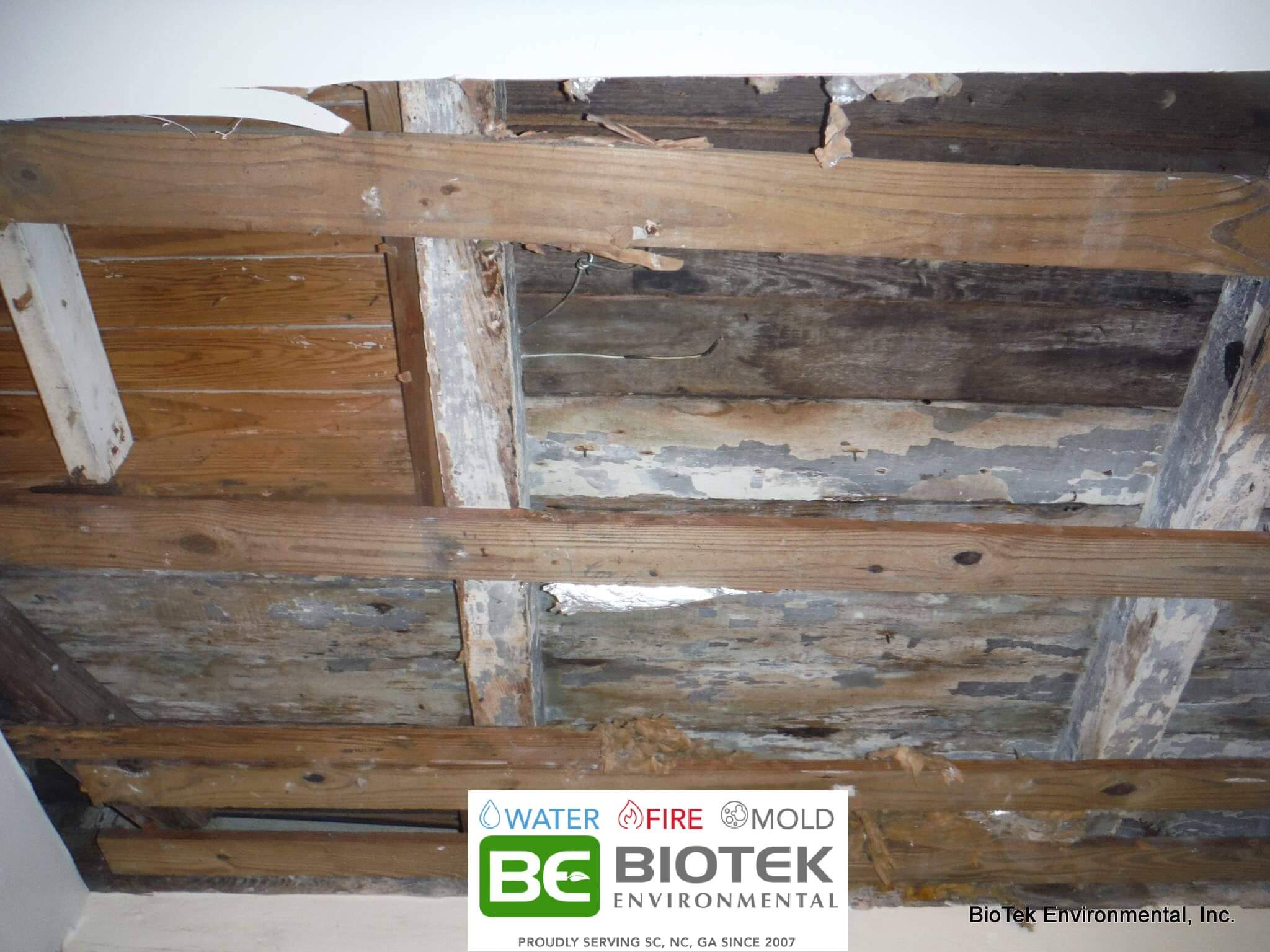
- Visible mold growth discovered during a crawl space or attic inspection
- Staining on insulation, floor joists, or concrete block walls in the crawl space
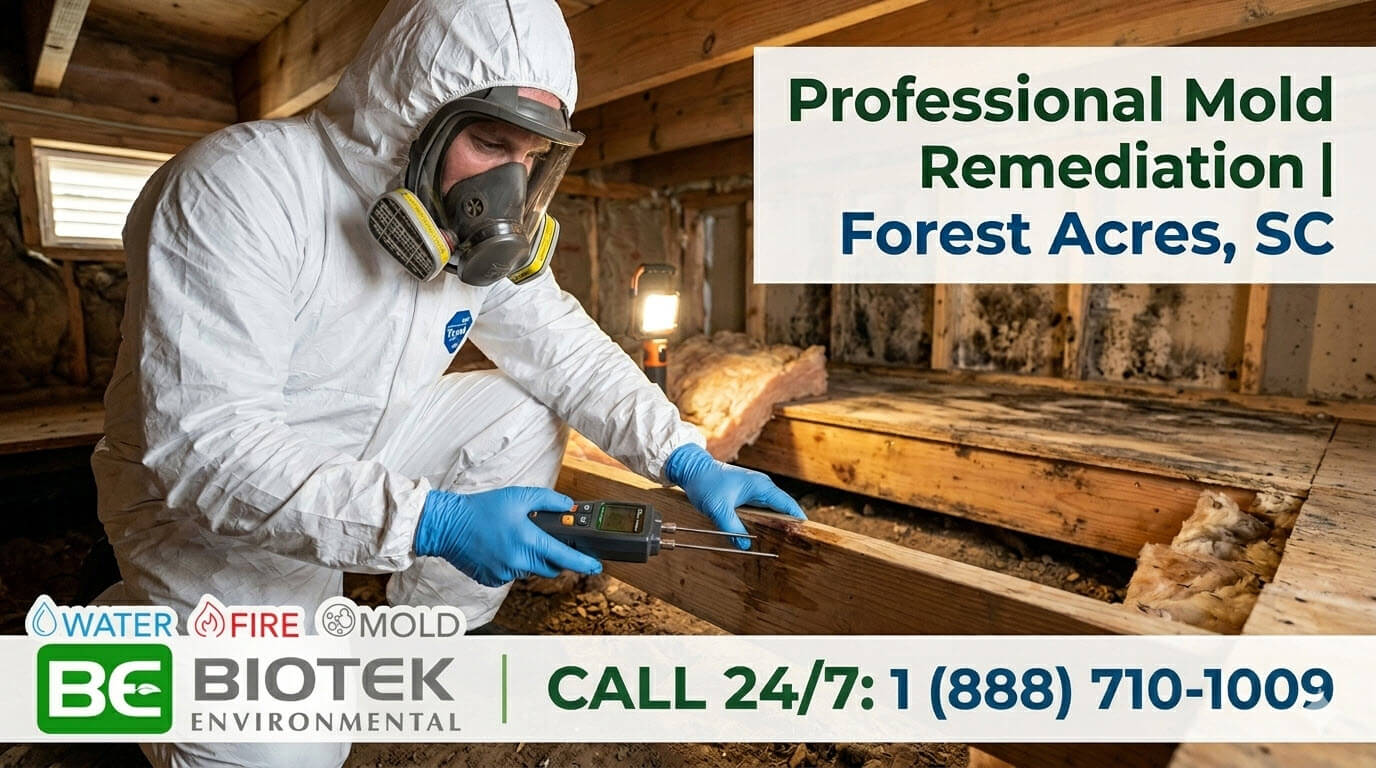
It’s important to understand that visible mold is rarely the full story. Mold thrives in hidden spaces, such as inside wall cavities, under flooring, on the back of drywall panels, and in the spaces between insulation batts. A professional mold inspection goes beyond what the naked eye can detect, using moisture meters, thermal imaging, and air sampling to uncover hidden colonies.
Warning Signs of Hidden Mold Problems
| Warning Sign | Possible Location | Urgency Level |
| Musty smell without visible mold | Wall cavities, crawl space, attic | High — schedule inspection soon |
| Allergy symptoms that worsen indoors | Throughout home, HVAC ducts | High — may indicate airborne spores |
| Discolored ceiling or wall patches | Above bathroom, near roof line | High — indicates active leak |
| Warped wood floors or baseboards | Under flooring, subfloor | Moderate to High |
| Condensation on windows year-round | Window frames, surrounding walls | Moderate — humidity control needed |
| Recent plumbing leak (even small) | Under sinks, behind walls | High — mold can start within 48 hrs |
| Black or green spots in bathroom grout | Shower, tub surround | Moderate — surface vs. deep growth |
| Soft or spongy drywall | Behind or around walls | High — structural damage likely |
Why Mold Should Never Be Ignored
Some homeowners are tempted to treat visible mold with bleach or household cleaners and consider the problem solved. Unfortunately, this approach addresses only what can be seen and often not even that effectively. Here’s why untreated or improperly treated mold is a serious concern:
Structural Damage
Mold feeds on organic materials, such as wood framing, floor joists, wall studs, sheathing, drywall paper, and ceiling materials. Over time, an active mold colony can structurally compromise these elements, leading to softened wood, sagging drywall, and, in severe cases, weakened load-bearing components. What might begin as a small patch of mold under a bathroom floor can spread for months undetected, causing costly structural repairs that far exceed the original remediation cost.
Indoor Air Quality Concerns
Active mold colonies release microscopic spores into the air. When inhaled, these spores can trigger a range of respiratory symptoms, from mild irritation to more serious complications for vulnerable individuals. According to the U.S. Environmental Protection Agency (EPA), indoor mold has been linked to upper respiratory symptoms, throat irritation, coughing, and wheezing in otherwise healthy individuals, with more pronounced effects in people with asthma, allergies, or compromised immune systems.
Health Risks to Occupants
Extended exposure to indoor mold can cause chronic health symptoms that are sometimes misdiagnosed. Residents may experience persistent fatigue, recurring headaches, sinus congestion, skin irritation, and worsening asthma. Children, elderly individuals, and those with underlying health conditions are particularly at risk. Even our pets’ health can be compromised by extended mold exposure. Our cats and dogs are also vulnerable, often suffering from respiratory distress and open skin sores when exposed to mold for extended periods.
While not all mold species are equally toxic, any active mold growth in a living environment should be professionally evaluated and removed.
Spreading Contamination
One of the most critical reasons to act quickly is that mold spreads. Spores travel through air, through HVAC systems, and on clothing and surfaces. A mold colony in one part of your home can establish new growth in other areas if spore-laden air is allowed to circulate freely. Without proper containment, a hallmark of professional remediation, DIY attempts can inadvertently spread contamination to previously clean areas of your home.
Mold Behind Walls and Under Flooring
Perhaps the most dangerous mold growth is the kind you can’t see. Mold can colonize the back side of drywall panels, inside wall insulation, under hardwood or laminate flooring, and within HVAC ductwork. This hidden growth is often only discovered during a professional inspection using moisture measurement tools and sometimes thermal imaging. By the time visible signs emerge, the hidden colony may already be extensive.
Mold Remediation Services in Forest Acres
BioTek Environmental Inc. provides a comprehensive, customized mold remediation process for every property we service. No two mold situations are exactly alike. The extent of contamination, the materials affected, and the underlying moisture source all influence the remediation approach. That’s why at BioTek Enviornmental Inc., we develop a tailored remediation plan for each client based on a thorough assessment.
Why Traditional Methods Often Fail
Sanding or brushing mold aerosolizes the spores, potentially spreading the contamination to the rest of your Forest Acres home through the HVAC system. Furthermore, chemicals like bleach only kill surface growth on non-porous materials; they cannot reach the hyphae (roots) embedded deep inside wood or drywall.
The Oxidative Advantage (OSC-500)
BioTek Environmental Inc. utilizes a specialized Oxidative Mold Remediation process. This is a biological decontamination method designed for Forest Acres properties that prioritize health and environmental safety.
- Denatures Proteins: The oxidative chemistry “digests” the fungal proteins that cause allergic reactions, rendering them inert.
- Deep Penetration: Applied as a liquid under pressure, our OSC-500 formula penetrates deep into the pores and cracks where mold “roots” hide.
- Eco-Friendly Chemistry: Unlike pesticides or heavy metals, the byproduct of our oxidation process breaks down into elemental oxygen and water. It leaves zero dangerous residues or toxic outgassing.
Traditional vs. Oxidative Remediation
| Feature | Traditional (Bleach/Sanding) | BioTek Oxidative Process |
|---|---|---|
| Environmental Impact | High (Harsh chemicals/VOCs). | Low (Breaks down into oxygen/water). |
| Sub-surface Kill | Poor (Does not reach roots). | Excellent (Deep penetration). |
| Allergen Control | Minimal (Spore shells remain). | Complete (Denatures fungal proteins). |
| Safety | High risk of cross-contamination. | Safest for children and pets. |
Advanced Technology for Forest Acres Inspections
We don’t guess, we investigate. A visual check is rarely enough to find the source of mold, especially in newer Forest Acres commercial buildings where moisture may be trapped behind high-end finishes.
3D Thermal Imaging
BioTek utilizes 3D Thermal Imaging to identify temperature anomalies behind your walls. These specialized cameras detect moisture pockets that are invisible to the naked eye, allowing us to find leaks in pipes or conduits without destructive demolition.
Precise Air and Surface Sampling
To provide a scientific assessment, we collect air and surface samples that are analyzed by third-party accredited laboratories. This ensures we identify the exact species present and determine if spore concentrations are at hazardous levels compared to the natural outdoor environment.
Professional Mold Remediation vs. DIY Cleanup
| Professional Remediation (BioTek) | DIY Cleanup |
| Thorough inspection using moisture meters & thermal imaging | Visual inspection only — hidden mold often missed |
| Containment protocols prevent cross-contamination | No containment — spores can spread to other areas |
| HEPA filtration captures airborne spores | No air filtration — spores remain in living spaces |
| EPA-registered antimicrobial treatments | Consumer-grade bleach — limited effectiveness on porous surfaces |
| Documented remediation for insurance or real estate | No documentation or certification |
| Addresses moisture source to prevent recurrence | Treats symptoms without fixing the root cause |
| Safe removal of contaminated materials | Risk of improper disposal and self-contamination |
| Post-remediation clearance testing available | No way to verify effectiveness |
🏠 Ready for professional mold remediation in Forest Acres? BioTek Environmental Inc. develops a customized plan for every home. Contact us today for Affordable Non-Toxic Mold Remediation.
Long-Term Protection with Biostatic Coatings
In Forest Acres, where the air is often thick with moisture, mold remediation is only half the battle. To ensure the fungus does not return, we offer Biostat-Pro™ biostatic coatings.
This EPA-registered technology forms a permanent bond with surfaces like wood, concrete, and brick. On a microscopic level, it resembles a field of sharp “needles” that physically pop the cell membranes of mold spores upon contact, achieving “cellular death” without the use of toxic poisons. This provides our clients with the most comprehensive 30-year warranty in the industry.
Commercial Mold Remediation for Forest Acres Businesses
For Forest Acres business owners, a mold problem is more than a health risk; it is a liability and a threat to your property value. We provide specialized sanitization for:
- Schools and Daycares: Protecting vulnerable children with non-toxic, green solutions.
- Medical Facilities: Ensuring high-level biological decontamination for sterile environments.
- Restaurants and Retail: Using Electrostatic Disinfection to provide 360-degree coverage on high-touch surfaces, destroying bacteria and viruses as well as mold.
DIY Removal vs. Professional BioTek Remediation
| Feature | DIY Efforts | BioTek Environmental |
|---|---|---|
| Warranty | None. | Industry-leading 30-year warranty. |
| Accuracy | High risk of missing hidden growth. | 3D Thermal Imaging & Lab Analysis. |
| Efficiency | Often a temporary “band-aid”. | Addresses the biological root cause. |
| Safety | High exposure risk for the owner. | IICRC Certified with full PPE & containment. |
Warning: Avoiding “Storm Chasers” in the Midlands
Following severe storms in South Carolina, transient contractors known as “storm chasers” often flood Forest Acres. These out-of-state entities follow storm paths to profit from desperate property owners.
Red Flags of Storm Chasers:
- Out-of-State Plates: They lack a local physical office and permanent SC presence.
- Cash Upfront: They demand significant payments before work begins.
- Deductible Scams: Offering to “waive” your insurance deductible is insurance fraud.
- High-Pressure Tactics: They may pressure you to sign a contract before you’ve even spoken to your insurance adjuster.
BioTek Environmental Inc. has been locally owned and operated in the Midlands since 2007. We are a BBB A+ Accredited firm and were recently voted “Best of South Carolina 2025” for the second year in a row.
Areas We Serve Near Forest Acres, SC
BioTek Environmental Inc. proudly serves Forest Acres and the surrounding Columbia-area communities. If you’re located in any of the following neighborhoods or municipalities, our team can provide fast, professional mold remediation and inspection services:
- Arcadia Lakes: This small city adjacent to Forest Acres shares similar moisture and crawl space challenges, and our team is well-acquainted with the area’s older housing stock.
- Shandon: One of Columbia’s most historic residential neighborhoods, Shandon features beautiful older homes that can be particularly vulnerable to mold due to aging construction and original infrastructure.
- Rosewood: This established neighborhood near the University of South Carolina often features homes with crawl space foundations and mature landscaping that contributes to shaded, moisture-retaining environments.
- Downtown Columbia: Commercial and mixed-use properties in Columbia’s urban core can experience mold issues related to aging HVAC systems, basement moisture, and water intrusion from older building envelopes.
- Cayce: Located across the Congaree River, Cayce homeowners face flooding risks and moisture-related mold issues, particularly in areas near the riverfront and low-lying properties.
- West Columbia: Similar to Cayce, West Columbia properties near water features and with older construction benefit from professional crawl space and moisture management services.
Not sure if we serve your area? Contact BioTek Environmental Inc. We’re happy to discuss your location and provide service throughout the greater Columbia, SC region
📍 Serving Forest Acres, Arcadia Lakes, Shandon, Rosewood, Downtown Columbia, Cayce, West Columbia, and surrounding areas. Contact us today!
Preventing Mold Growth in South Carolina Homes
While professional remediation addresses existing mold problems, the long-term solution is moisture management and prevention. Here are the most effective strategies for Forest Acres homeowners to reduce mold risk:
- Crawl Space Encapsulation: Encapsulating your crawl space with a heavy-duty vapor barrier dramatically reduces ground moisture from entering the space and conditioning your home’s subfloor. A fully encapsulated crawl space also improves energy efficiency and protects structural wood.
- Humidity Control: Keep indoor relative humidity between 30–50% using dehumidifiers, especially in basements, crawl spaces, and lower levels of the home. Monitor humidity levels with an inexpensive hygrometer.
- Proper Ventilation: Ensure bathrooms, kitchens, laundry rooms, and attics have adequate ventilation. Make sure exhaust fans actually vent to the outside (not just to the attic) and operate them during and after moisture-generating activities.
- Roof Inspections: Schedule annual roof inspections, especially before and after South Carolina’s storm season. Address missing shingles, damaged flashing, and clogged gutters promptly.
- Plumbing Maintenance: Fix dripping faucets, slow drains, and supply line connections before they create hidden moisture. Check under sinks and around appliances regularly for early signs of leaks.
- Dehumidifier Usage: In addition to HVAC dehumidification, portable or whole-home dehumidifiers are highly effective in South Carolina’s climate. Drain lines or automatic pumps eliminate the need for constant monitoring.
- HVAC Maintenance: Change air filters regularly, schedule annual HVAC tune-ups, and have ductwork inspected periodically. A properly maintained system is far more effective at controlling indoor humidity.
Tips to Reduce Mold Risk in Your Home
| Prevention Strategy | Expected Benefit |
| Crawl space encapsulation | Eliminates ground moisture vapor; protects structural wood; reduces humidity throughout home |
| Install or upgrade dehumidifier | Maintains safe indoor RH below 50%; especially important in SC summers |
| Improve bathroom ventilation | Reduces surface moisture that fuels mold on tile, grout, and drywall |
| Annual roof inspection | Catches leaks before they soak insulation or attic sheathing |
| Fix plumbing leaks promptly | Prevents hidden moisture accumulation behind walls and under floors |
| HVAC maintenance & filter changes | Improves humidity control; prevents mold growth inside duct systems |
| Clear gutters and downspouts | Directs rainwater away from foundation; prevents basement/crawl space seepage |
| Grade soil away from foundation | Reduces water infiltration into crawl space or basement |
Frequently Asked Questions
How much does mold remediation cost in Forest Acres, SC?
Mold remediation costs vary considerably depending on several factors specific to your property and the extent of the contamination. Key variables include the affected square footage, the severity of the mold growth, how many surfaces and material types are involved, and whether moisture damage has caused secondary structural issues. Crawl space remediation and HVAC system contamination typically add to the overall project scope and cost. Attic mold removal may also require insulation removal and replacement. Because every situation is unique, we strongly recommend scheduling a professional inspection before making any assumptions about cost. A thorough assessment gives you an accurate picture of the work required and prevents unexpected costs later. Contact BioTek Environmental Inc. for a consultation and detailed remediation proposal.
Is mold common in crawl spaces in Columbia-area homes?
Yes, crawl space mold is extremely common throughout the Columbia area, including Forest Acres. South Carolina’s warm temperatures and high outdoor humidity create persistent moisture conditions in crawl spaces, particularly those without proper vapor barriers or encapsulation. Groundwater evaporation through exposed soil, combined with poor cross-ventilation and inadequate drainage around foundations, provides a near-constant moisture supply. Many older homes were built without modern crawl space moisture management in mind, leaving wood framing, floor joists, and subfloor sheathing exposed to humid air year-round. If your home has a crawl space and you haven’t had it inspected recently, mold may be present without any obvious interior symptoms.
Can mold come back after remediation?
Mold can return after remediation if the underlying moisture source is not corrected. Effective professional remediation addresses two things: eliminating the existing mold growth and recommending solutions for the moisture problem that caused it. At BioTek Environmental Inc., every remediation plan includes a moisture-source assessment and corrective recommendations, whether that involves crawl space encapsulation, improved ventilation, HVAC upgrades, or plumbing repairs. When the moisture source is properly addressed and remediation protocols are followed correctly, recurrence is unlikely. Ongoing prevention, including dehumidification and periodic inspections, further reduces the risk.
What does a professional mold inspection involve?
A professional mold inspection with BioTek includes a thorough visual assessment of your property, with particular attention to high-risk areas including the crawl space, attic, bathrooms, basement, HVAC system, and areas near known or suspected water intrusion. Our technicians use moisture meters to detect elevated moisture in walls, floors, and ceilings, even when surfaces appear dry. In cases where airborne contamination or hidden growth is suspected, we can coordinate mold air sampling or surface testing with a certified industrial hygienist. The inspection concludes with a detailed findings report and, where mold is present, a recommended remediation plan.
How dangerous is black mold?
‘Black mold’ is a term commonly used to describe Stachybotrys chartarum, a greenish-black mold species that typically grows on materials with high cellulose content, like drywall, wood, and paper, that have sustained prolonged moisture exposure. Stachybotrys has received significant media attention due to health concerns associated with its mycotoxins. However, it’s important to note that many different mold species can appear dark in color, and visual identification is not reliable. Any active mold growth in a living environment represents an indoor air quality concern. If you suspect black mold or any significant mold growth in your home, professional assessment and testing are the only reliable ways to identify the species and determine the appropriate remediation approach.
What causes attic mold in Forest Acres homes?
Attic mold in Forest Acres and throughout the Columbia area is typically caused by a combination of factors: inadequate attic ventilation, bathroom or kitchen exhaust fans that terminate in the attic rather than outside, and roof leaks that allow water to soak into sheathing and rafters. South Carolina’s hot, humid summers create ideal conditions for mold growth on the wooden components of an attic space, especially when heat and moisture are allowed to accumulate. Attic mold is often discovered during real estate inspections or when homeowners notice staining on ceiling drywall. Professional attic mold remediation involves treating or removing affected materials, improving ventilation, and addressing any roof or soffit deficiencies.
Does homeowners insurance cover mold remediation?
Homeowners insurance coverage for mold remediation varies significantly depending on your policy and the cause of the mold. In general, mold resulting from a sudden, covered event, such as a burst pipe or storm damage, may be covered, at least partially. However, mold resulting from long-term neglect, gradual moisture accumulation, or maintenance failures is typically excluded from standard policies. Some insurers offer mold endorsements that provide additional coverage. We recommend reviewing your policy carefully and contacting your insurance agent before beginning any remediation work. BioTek Environmental Inc. can provide detailed documentation of our findings and remediation scope to support any insurance claim you pursue.
What are the health symptoms of mold exposure?
Mold exposure can cause a range of health symptoms, and the effects vary depending on the individual’s sensitivity and the type and amount of mold present. Common symptoms associated with indoor mold exposure include nasal congestion, runny nose, sneezing, throat irritation, coughing, wheezing, and skin or eye irritation. People with asthma may experience more frequent or severe attacks. Those with allergies to mold may have pronounced allergic reactions. In rare cases involving certain mold species and highly sensitive individuals, more serious respiratory or systemic effects have been reported. If you or family members are experiencing unexplained health symptoms that seem to improve when away from home, a professional mold inspection is strongly recommended.
Can BioTek handle mold remediation for commercial properties?
Yes. BioTek Environmental Inc. provides mold inspection and remediation services for commercial properties throughout the Forest Acres and Columbia area, including office buildings, retail spaces, rental properties, restaurants, healthcare facilities, and schools. Commercial mold remediation requires careful coordination to minimize disruption to business operations while ensuring thorough, compliant remediation work. Our team is experienced with commercial project timelines, documentation requirements, and the unique challenges of remediating mold in occupied or partially occupied spaces.
How does moisture control help prevent mold?
Moisture control is the single most effective long-term strategy for preventing mold. Since mold requires moisture to grow, eliminating or managing moisture sources removes the primary condition for colonization. Effective moisture control strategies include crawl space encapsulation, whole-home or targeted dehumidification, improved ventilation in bathrooms and kitchens, HVAC maintenance for proper humidity management, and prompt repair of any water intrusion sources, including leaky roofs, plumbing, or foundation cracks. BioTek Environmental Inc. can assess your home’s specific moisture vulnerabilities and recommend a customized moisture control plan as part of any remediation project.
Take Action to Protect Your Forest Acres Property Today!
Don’t let mold compromise the safety of your Forest Acres property or the health of your family. As the “Best of South Carolina 2025” winner, BioTek Environmental Inc. is ready to provide you with a permanent, green solution backed by our industry-leading 30-year warranty.
Contact BioTek Environmental Inc. 24/7 1 (888) 710-1009 or schedule your expert mold inspection online today! Experience the award-winning service that South Carolina trusts to keep their homes healthy.