As a pet parent, your home is more than just a structure; it is a sanctuary for you and your animals. However, a hidden danger often lurks within the walls of even the most well-kept homes in Columbia, South Carolina: indoor mold. While humans are certainly susceptible to the health risks associated with fungal growth, our pets are often the “canaries in the coal mine,” showing symptoms far earlier and more severely due to their smaller size and constant proximity to floor-level spores.
For pet owners dealing with mold issues, the situation can feel overwhelming and frightening. You’re not just worried about your own health and home – you’re watching over a companion who cannot speak up for themselves. The good news is that understanding the risks, recognizing the warning signs, and taking swift action can protect both your home and your four-legged family members. We’ll walk you through everything you need to know about mold’s impact on pets, how to identify a potential mold problem before it escalates, and why working with a professional mold remediation company like BioTek Environmental Inc. is the most effective step you can take.
Understanding Indoor Mold
Mold is a naturally occurring fungus that reproduces through tiny airborne spores. While it plays a helpful role outdoors in breaking down organic matter, indoor mold is a different story. When moisture accumulates inside a home, whether from a leaking pipe, poor ventilation, flooding, or high humidity, mold finds the perfect environment to take root and spread.
Common household molds include Cladosporium, Penicillium, Aspergillus, and the notorious Stachybotrys chartarum, often referred to as “black mold.” These species can grow on drywall, wood, carpet, insulation, and even inside HVAC systems. What makes them particularly troublesome for households with pets is the way spores disperse through the air and settle on surfaces at lower elevations, exactly where your cat naps on the floor or your dog spends most of the day.
Many homeowners don’t realize mold is present until a significant colony has already formed. By the time you notice a musty smell, visible discoloration, or worsening allergy symptoms among family members, mold may have been quietly spreading for weeks or months. For pets, this prolonged, low-level exposure can result in cumulative health effects that are easy to dismiss as other ailments.
The Hidden Burden: Why Pet Owners Worry About Mold
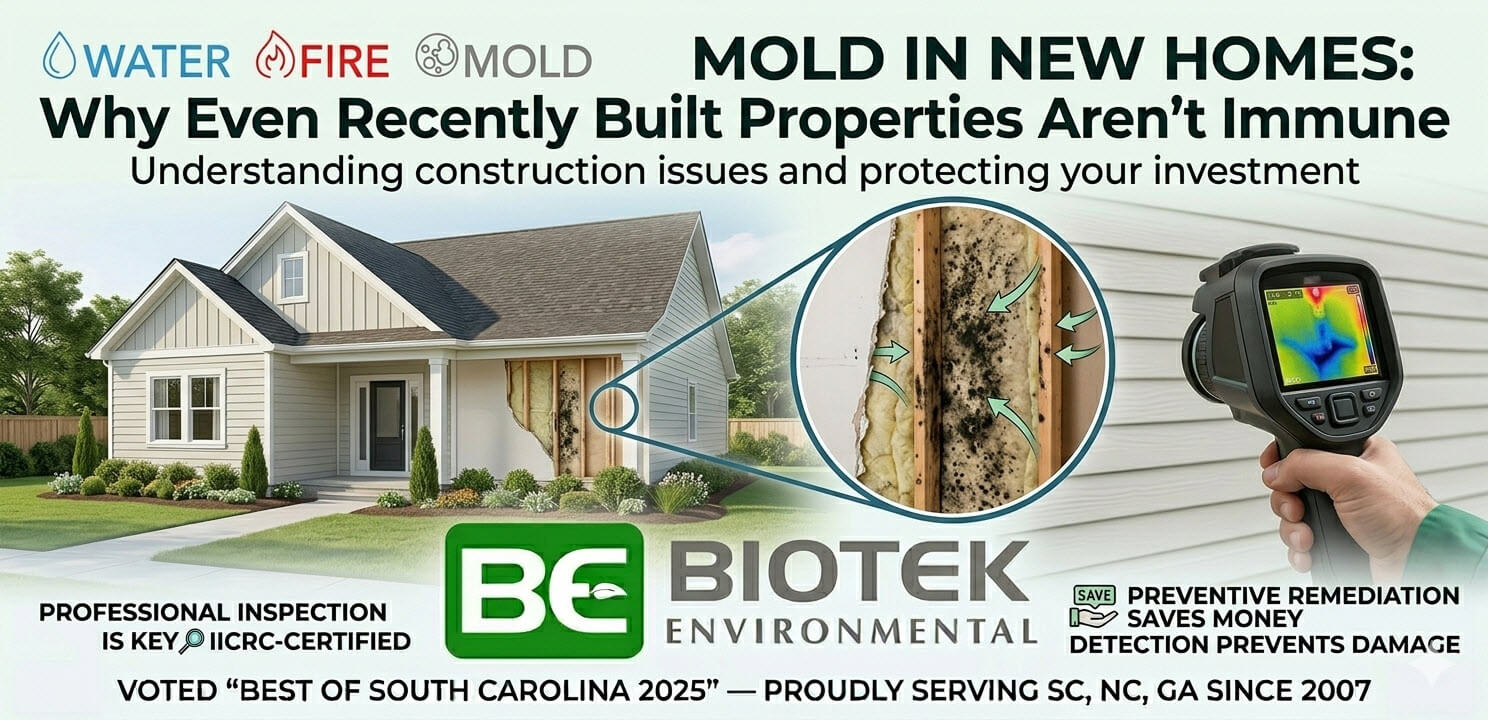
For many homeowners in the Midlands, the first sign of a problem isn’t a visible patch of black growth, but a sudden change in their pet’s health or behavior. Pet owners often experience significant emotional and financial stress when their animals develop mysterious respiratory issues or skin conditions that veterinary visits can’t quite resolve. The worry is compounded by the knowledge that mold can proliferate in as little as 48 hours following a water leak or a period of high humidity.
Biological Vulnerability: Why Pets are More Susceptible
Animals, particularly dogs and cats, spend the majority of their lives close to the ground, where mold spores and microbial volatile organic compounds (MVOCs) settle. While a human might only breathe in spores occasionally, a pet sleeping on a carpet or near a baseboard is in constant contact with the infestation.
Small animals such as rabbits, guinea pigs, hamsters, and birds are even more sensitive due to their smaller body size and faster respiratory rates. A concentration of airborne spores that a larger human might tolerate could have a far more pronounced impact on a small mammal or bird. Reptiles, too, may be affected by changes in air quality within their habitats, particularly if their enclosures are located in a room with a mold problem.
Additionally, certain breeds of dogs and cats with flat faces, such as Bulldogs, Pugs, Persian cats, and similar brachycephalic breeds, already have compromised airways, making them considerably more susceptible to respiratory irritation from airborne particles like mold spores. Older pets and those with pre-existing immune conditions are also at heightened risk of developing more severe reactions.
Furthermore, some pets have a genetic predisposition to mold-related health problems, much like a significant portion of the human population that struggles with fungal sensitivity. Because pets have faster metabolic rates and smaller lung capacities, even a minor colony of Stachybotrys chartarum (toxic black mold) can release enough mycotoxins to cause significant biological distress.
Protecting Your Pets from Mold: Immediate Steps You Can Take
While professional remediation is always the definitive solution for a mold infestation, there are steps pet owners can take to reduce their animals’ exposure during the period before and after professional treatment begins.
First and foremost, if you suspect mold is present, limit your pet’s access to the affected area immediately. Block off rooms with visible growth or strong musty odors, and ensure your pet spends more time in well-ventilated parts of the home. If possible, temporarily relocate your pet to a friend or family member’s home during active remediation work.
Improve ventilation throughout your living space by using exhaust fans in bathrooms and kitchens, opening windows when weather permits, and running air purifiers with HEPA filters. These filters are capable of capturing mold spores and other fine particles that would otherwise remain circulating in the air your pet breathes.
Regularly clean areas where your pet spends the most time. Wash pet bedding frequently, vacuum with a HEPA-equipped vacuum, and wipe down hard surfaces. Avoid leaving wet food in bowls for extended periods, as mold can grow on leftover pet food quickly in humid conditions.
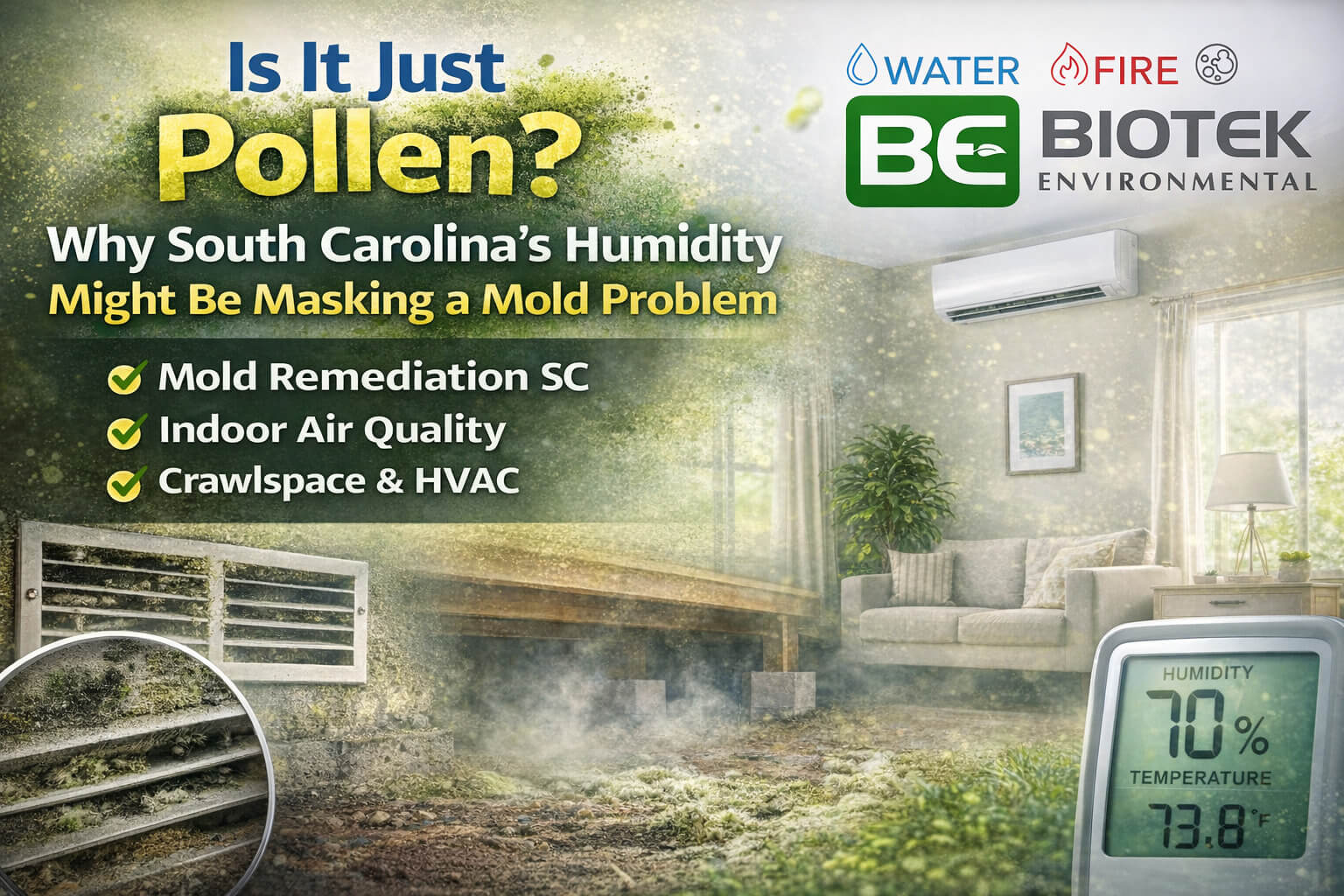
Maintain indoor humidity below 50% using dehumidifiers, particularly in basements and other moisture-prone areas. Fix any leaks, no matter how small, promptly, and ensure your home has adequate drainage around its foundation. Reducing moisture is ultimately the most effective long-term prevention strategy for mold growth.
Recognizing the Signs: Mold Exposure Symptoms in Pets
Identifying mold illness in animals can be challenging because they cannot communicate their discomfort. However, we recommend watching for these specific “red flags”:
- Respiratory Distress: Look for persistent sneezing, coughing, wheezing, or labored breathing. In severe cases, pets may develop nasal discharge or even nosebleeds.
- Skin and Coat Issues: Mold spores often trigger allergic dermatitis in pets, leading to intense itching, red patches, and open sores that won’t heal.
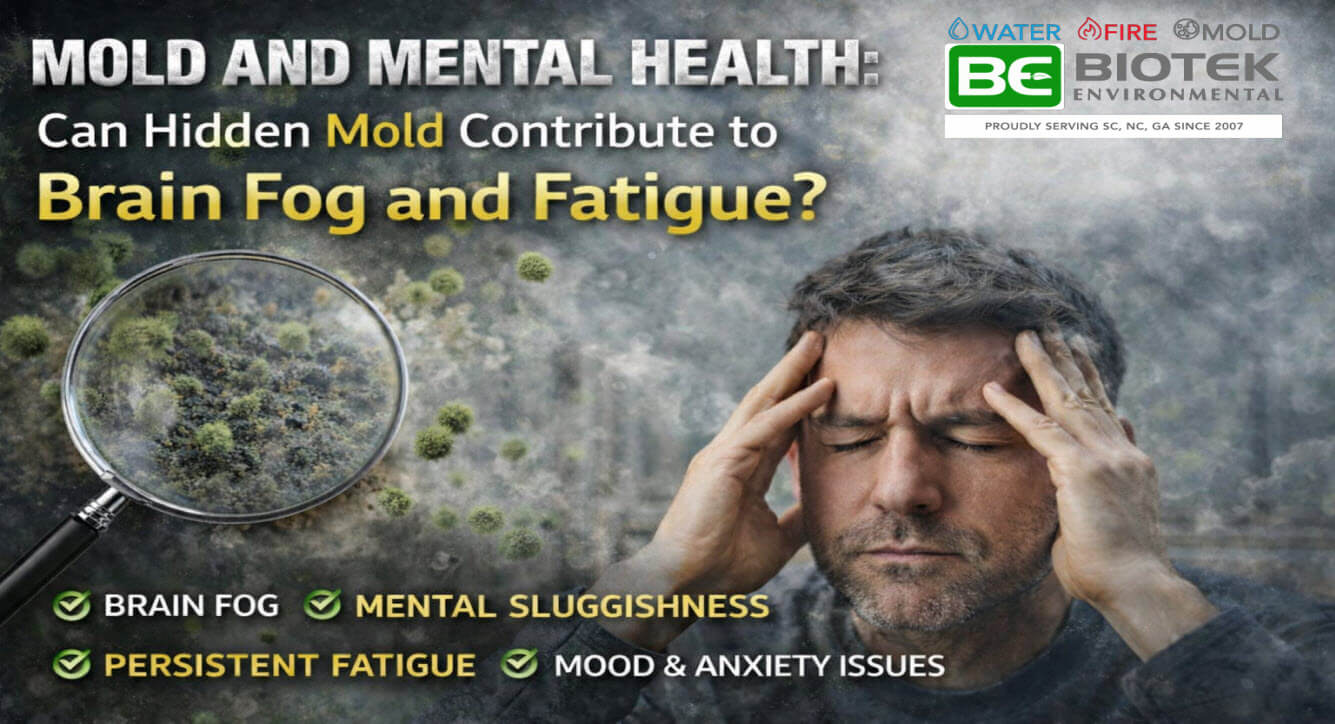
- Lethargy and Behavioral Changes: Mycotoxins can affect the neurological system, causing your once-active pet to become chronically tired or depressed.
- Digestive Problems: Ingestion of spores, often through grooming their fur, can lead to nausea or internal organ damage over time.
What to Do If You Suspect Your Pet Has Been Exposed to Mold
If your pet is showing symptoms that may be related to mold exposure, your first priority is to seek veterinary care. Be transparent with your veterinarian about any concerns you have regarding your home environment. Sharing this context can help guide diagnostic decisions and prevent misdiagnosis.
Your veterinarian may recommend allergy testing, a chest X-ray to assess lung health, or other diagnostics depending on the symptoms presented. In some cases, pets exposed to mycotoxin-producing molds, particularly Stachybotrys species, may require more intensive treatment, as these compounds can affect multiple organ systems.
While caring for your pet medically, simultaneously schedule a professional mold inspection of your home. The two processes should happen in parallel, not sequentially. Treating your pet’s symptoms without addressing the underlying environmental cause will only result in recurring illness. Your pet’s path to recovery depends on the mold being properly identified, contained, and eliminated from your living space.
Document everything – your pet’s symptoms, when they started, any rooms they seem reluctant to enter, and the results of any home moisture or mold tests you’ve done. This information can be valuable both for your veterinarian and for the mold remediation professionals assessing your property.
Common Mold Types in the Home and Their Risks
While many people fear “black mold,” there are thousands of species that can invade your living space.
- Stachybotrys (Black Mold): Highly toxic and produces mycotoxins that can lead to severe illness in both humans and pets.
- Cladosporium: Often found on fabrics and wood; it is a common allergen that triggers asthma in animals.
- Penicillium: This blue or green fuzzy mold spreads rapidly through the air and can cause lung inflammation.
- Alternaria: Thrives in damp spots like showers and can cause chronic sinus infections.
Why DIY Bleach and Scrubbing are Dangerous for Pets
Many pet owners reach for bleach at the first sign of mold, but this is a mistake. Bleach is only effective on non-porous surfaces and does not reach the “roots” or hyphal projections that penetrate deep into wood or drywall. More importantly, the harsh fumes from chlorine and other household chemicals can exacerbate your pet’s already compromised respiratory system.
Furthermore, mechanical cleaning like scrubbing or sanding without proper containment can aerosolize millions of spores, spreading the contamination throughout your home via the HVAC system.
The Professional Edge: Mold Remediation vs. Simple Removal
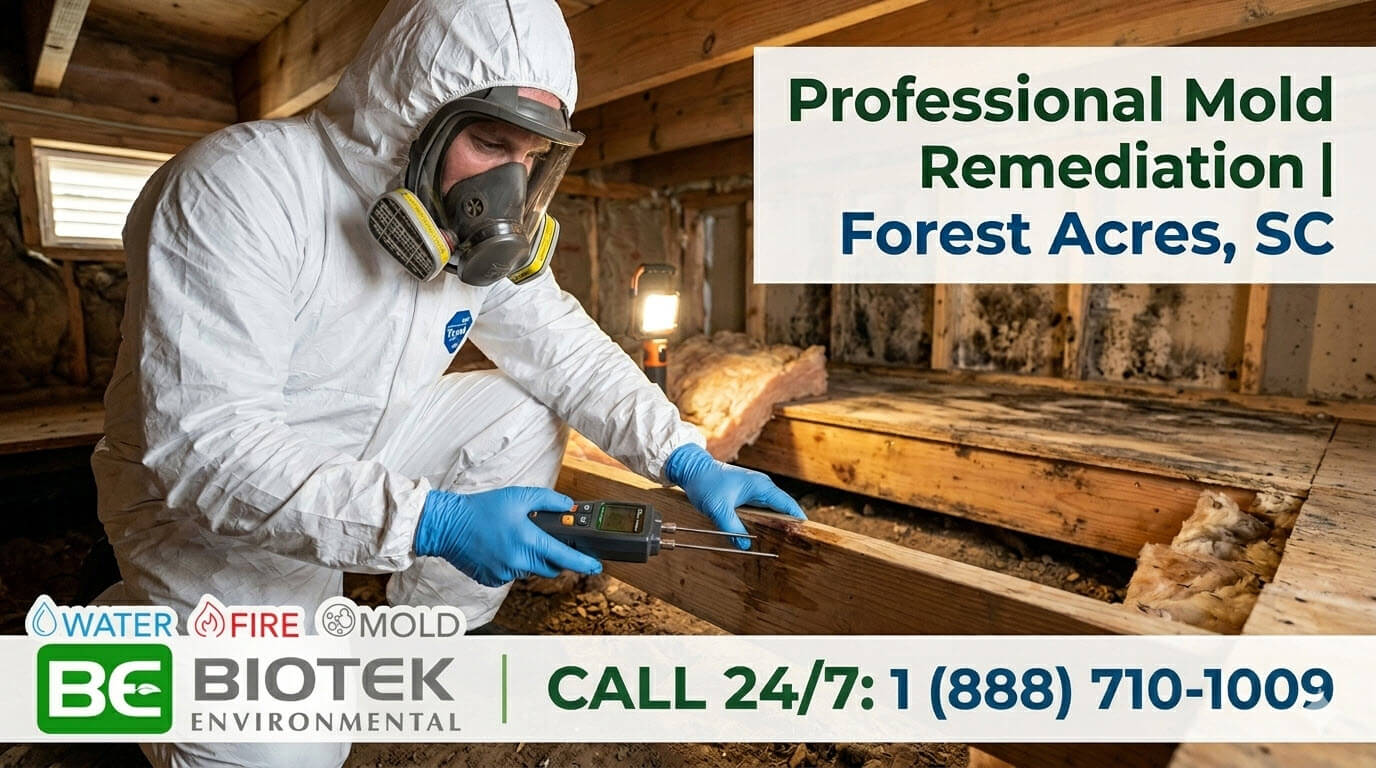
There is a massive difference between “cleaning” mold and mold remediation. Remediation is a scientific process designed to address the root cause of the growth so it does not return. A professional company like BioTek Environmental uses advanced tools like thermal imaging cameras to find hidden moisture behind walls without causing unnecessary damage.
A comprehensive remediation plan involves isolating the work area to prevent cross-contamination, removing saturated materials, and using specialized air scrubbers with HEPA filtration to capture airborne spores that can harm your pets.
Protection Through Prevention: Creating a Mold-Resistant Home
To safeguard your furry friends, you must control the environment:
- Maintain Humidity: Keep indoor humidity levels below 45% to 50% to prevent spores from thriving.
- Fix Leaks Immediately: Whether it’s a leaky faucet or a burst frozen pipe, moisture must be addressed within 24 hours.
- Ventilate Key Areas: Ensure bathrooms and kitchens have exhaust fans that vent completely outside the home.
- Insulate Pipes: Protect pipes in crawl spaces and attics to avoid the massive water damage caused by winter bursts.
BioTek’s “Clean, Green” Advantage for Pet Safety
When your pets’ health is on the line, the chemistry used in your home matters. BioTek Environmental Inc. specializes in Oxidative mold remediation. Our proprietary OSC-500 cleaner is an advanced oxidizing agent that doesn’t just kill mold; it denatures the fungal proteins that cause allergic reactions.
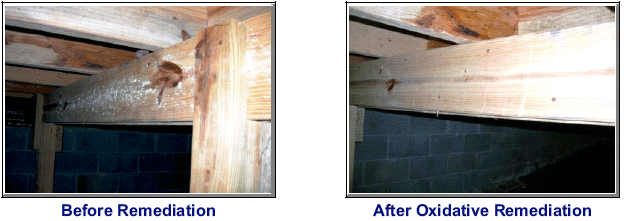
Unlike traditional methods that use toxic pesticides or heavy metals, our “Green” process breaks down into simple oxygen and water, leaving no dangerous residues for your pets to encounter. This eco-friendly approach is why we have been recognized as the “Best of South Carolina” for consecutive years in 2024 and 2025.
The BioTek Commitment: 30-Year Peace of Mind
Choosing BioTek means choosing a partner with almost 20 years of experience serving South Carolina, North Carolina, and Georgia. We don’t just fix the problem; we provide the industry’s most comprehensive 30-year warranties on our remediation services. Our IICRC-certified technicians are available 24/7, 365 days a year, ensuring that when disaster strikes, we are on-site within a few hours to protect your home and your pets.
Don’t wait for your pet’s symptoms to worsen! If you suspect your home has a hidden mold issue or has recently suffered water damage, your “furry friends” are counting on you to act. Contact the award-winning experts at BioTek Environmental Inc. today. We provide scientific inspections, eco-friendly “Clean, Green” remediation, and the best 30-year warranties in the business.
Protect your pack – call us 24/7 at (866) 630-7340 or schedule your inspection online now to breathe easier tomorrow!
Frequently Asked Questions (FAQ)
My vet treated my pet for allergies, but the symptoms keep coming back. Could mold be the cause?
This is one of the most common patterns associated with mold-related illness in pets. If symptoms improve when your pet is away from home and return when they’re back, the home environment is strongly implicated. Request a professional mold inspection as a next step alongside continued veterinary care.
How quickly can mold affect my pet’s health?
The timeline varies depending on the type of mold, the concentration of spores in the environment, and the individual pet’s size, breed, and health status. Some sensitive animals may begin showing symptoms within days of significant mold exposure, while others may experience a slower, cumulative effect over weeks or months of lower-level exposure.
Can my cat or dog die from mold exposure?
While rare, prolonged exposure to toxic high levels of mycotoxins can lead to severe organ damage and fatal respiratory complications, especially in very young, elderly, or immunocompromised animals.
Is it safe for my pet to stay in the home during remediation?
During professional remediation, we use heavy-duty containment to isolate the mold. However, for your pet’s comfort and safety, we often recommend they stay in an unaffected area of the home or with a sitter until the air has been fully scrubbed and cleared by our experts.
Will a standard air purifier help my pet’s mold allergies?
HEPA-based air purifiers are excellent at removing airborne spores, but they do nothing to address the source of the mold growing inside your walls or under your carpets. True remediation is required to stop the production of new spores.
Does homeowner’s insurance cover mold remediation?
In many cases, if the mold is a result of a sudden water event like a burst pipe, your policy may provide coverage. We recommend contacting your agent and working with a certified restoration company that understands the claims process.
How do I know if my home has been successfully remediated?
A reputable mold remediation company will conduct post-remediation verification testing, which typically involves air sampling and surface testing to confirm that mold spore levels have returned to normal, acceptable ranges. BioTek Environmental Inc. provides this verification as part of their comprehensive remediation service.
What types of pets are most vulnerable to mold exposure?
While all pets can be affected, birds and small mammals such as rabbits and guinea pigs tend to be particularly sensitive due to their fast respiratory rates and small body size. Brachycephalic dog and cat breeds, those with flat faces and shortened airways, are also at elevated risk. Elderly pets and those with compromised immune systems face greater vulnerability regardless of species.