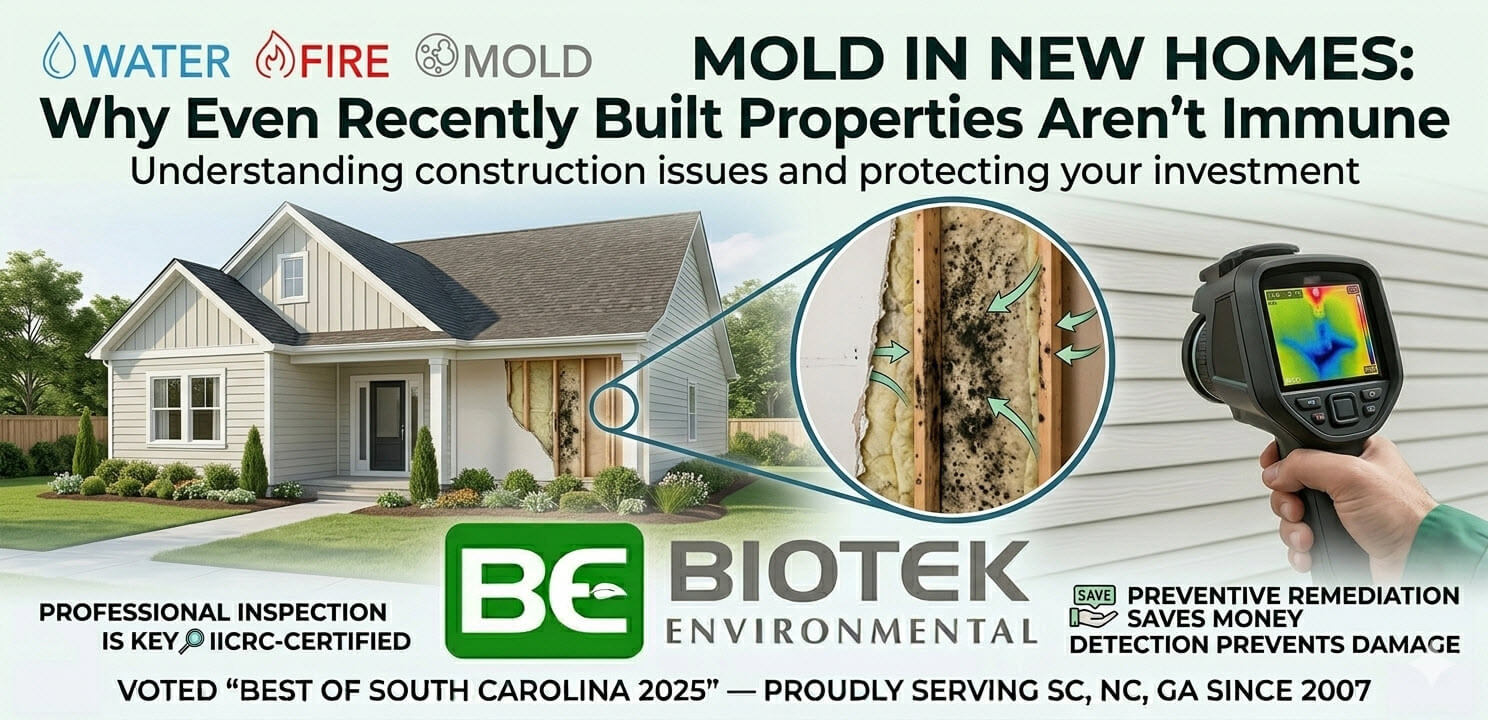
When most people picture a mold problem, they imagine a crumbling century-old house with leaky pipes, peeling wallpaper, and decades of moisture damage. It seems logical: old homes have old problems, and new homes should be safe. Unfortunately, that assumption can leave homeowners, property managers, and business owners caught completely off guard.
It is a common belief among South Carolina homeowners that “new” means “safe.” When you sign the papers on a recently built home in Columbia or Greenville, you expect a pristine environment free from the worries that plague older, draftier houses. However, given the right conditions (i.e. moisture, warmth, and an organic surface), mold can establish itself in a home that was built last year just as readily as one built in 1950. At BioTek Environmental Inc., we have noticed that modern construction techniques often create unique vulnerabilities that can lead to aggressive mold growth.
This article explains why newly built homes and commercial properties are far from immune to mold, what warning signs to watch for, and why acting quickly with professional help is the smartest move you can make when mold is suspected. Understanding the connection between moisture and mold is the first step toward protecting your investment, your health, and your peace of mind.
Why People Assume Mold Is an “Old Home” Problem
The idea that mold only affects older buildings is understandable. Aging homes are associated with deteriorating plumbing, worn roofing, outdated ventilation systems, and materials that have absorbed years of humidity. When mold stories make the news, they often involve neglected properties or homes that have gone without maintenance for years.
This mental image has a way of creating a false sense of security for anyone who has recently purchased or rented a new build. If a property comes with a builder’s warranty, modern appliances, and freshly installed materials, it can feel impossible that mold could already be lurking inside.
Compounding this is a lack of general awareness around how mold actually grows. Many people believe mold only appears after a catastrophic flood or a clearly visible water leak, something dramatic and obvious. In reality, mold needs very little. A localized area of trapped moisture, slightly elevated humidity, or a slow-dripping pipe hidden inside a wall can be more than enough to trigger growth. New homes are not exempt from any of these conditions.
Mold Misconceptions: Old Homes vs. New Homes
| Misconception | The Reality |
| New homes are mold-free because materials are fresh. | New building materials can still trap moisture during and after construction, making them susceptible to mold before a homeowner even moves in. |
| Mold only grows after decades of neglect. | Mold can appear within 24–48 hours of a moisture event, regardless of a property’s age. |
| A builder’s warranty protects against mold. | Most warranties cover structural defects but do not guarantee protection from mold caused by moisture intrusion or ventilation issues. |
| Modern construction standards prevent mold. | Tighter building envelopes used in energy-efficient construction can actually trap moisture inside walls and reduce natural air exchange. |
| If I can’t see or smell mold, it isn’t there. | Mold commonly grows behind walls, under flooring, in attics, and in HVAC systems — invisible until significant growth has already occurred. |
| DIY cleaning products fix any mold issue. | Surface cleaning does not address the moisture source or hidden growth, meaning mold nearly always returns without professional remediation. |
Why New Homes and Commercial Properties Can Still Develop Mold
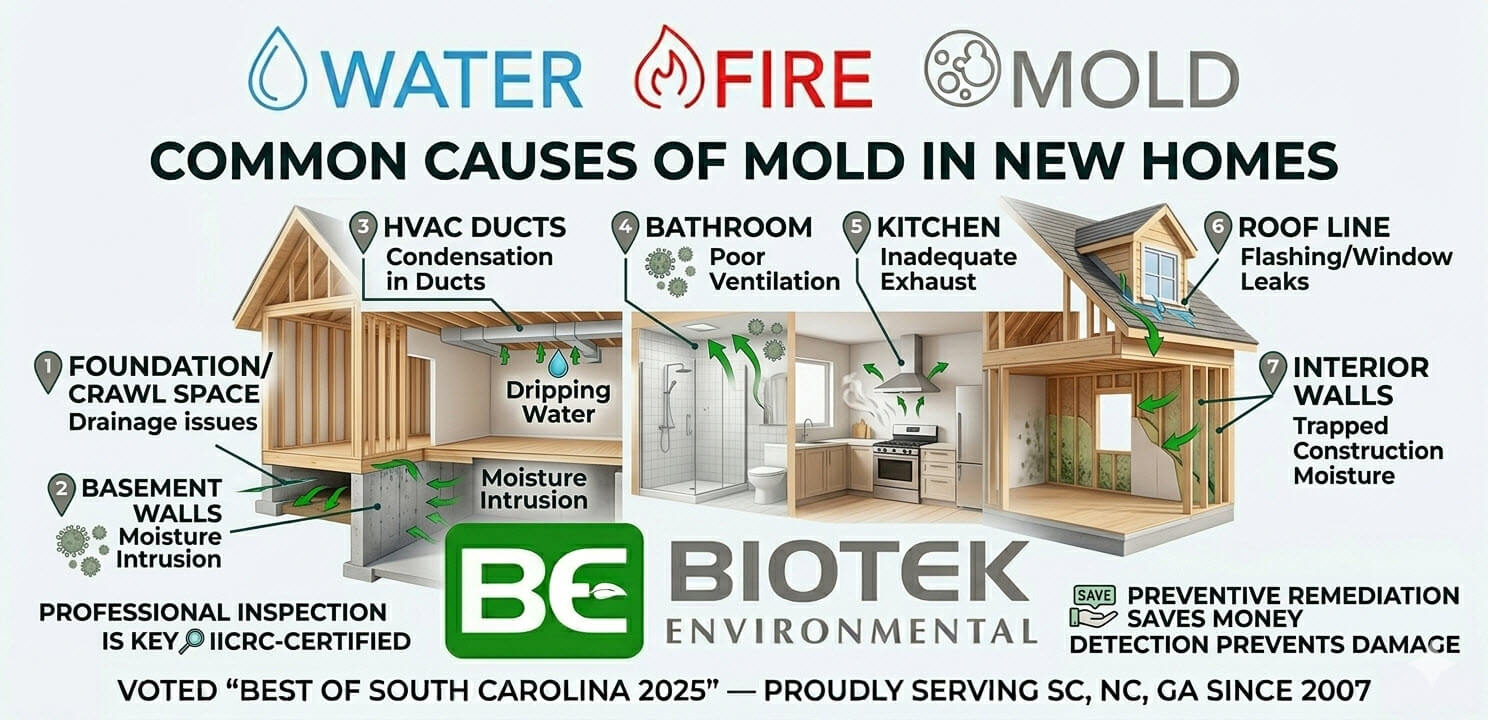
Several factors specific to modern construction and newly built properties create real mold risk. Understanding them helps explain why a brand-new building should never be assumed mold-safe.
1. Trapped Construction Moisture
During the building process, concrete, drywall, lumber, insulation, and other materials are exposed to rain, humidity, and temperature fluctuations on open job sites. Some of this moisture gets locked inside walls and structural components before the building is enclosed and dried out properly. Once sealed, that trapped moisture has nowhere to go, creating the perfect environment for mold to begin growing before the first family ever moves in.
2. Airtight Building Design
Energy efficiency is one of the hallmarks of modern construction. New homes are built to be airtight in order to reduce heating and cooling costs. While that’s good for energy bills, it means less natural air exchange. Without adequate ventilation to push humid air out and draw dry air in, moisture builds up indoors. This is especially problematic in bathrooms, kitchens, laundry rooms, and anywhere that produces steam or condensation on a daily basis.
3. Poor or Inadequate Ventilation
A new home built to code is not automatically a well-ventilated home. Exhaust fans in bathrooms and kitchens may be undersized for the space, vented incorrectly, or simply not used often enough by occupants. When moist air has nowhere to escape, it condenses on cooler surfaces inside wall cavities, on window frames, and in attic spaces. Over time, recurring condensation creates the sustained moisture that mold requires.
4. Hidden Plumbing Leaks
New plumbing is not infallible. Improperly torqued fittings, pinhole leaks, and connections that loosen slightly during the settling process can all produce slow, persistent drips that are completely undetectable from the outside. A small leak inside a wall or under a cabinet can go unnoticed for months, silently feeding mold growth the entire time.
5. HVAC Condensation
Air conditioning and heating systems manage temperature differences that naturally produce condensation. In new construction, ductwork that runs through unconditioned attic or crawl space areas is particularly vulnerable. If ducts are not properly insulated or sealed, humid outdoor air can mix with cooler conditioned air inside the ducts, producing moisture that drips into wall cavities and ceiling spaces.
6. Roof and Window Leaks
Even in recently built structures, roof flashing, window seals, and exterior caulking are not always installed perfectly. A missed seal around a skylight, an improperly lapped layer of roofing felt, or a window frame that was never fully weather-stripped can allow small but consistent amounts of water to enter the building envelope. These leaks are often slow and seasonal, making them easy to miss until mold has already had time to grow.
7. Drainage and Grading Problems
The land surrounding a new home needs to be properly graded to direct rainwater away from the foundation. If the soil settles unevenly, which is common in new construction as disturbed earth compacts over time, water may begin pooling against the foundation or entering the crawl space and basement. Rising moisture from below can affect flooring, framing, and any porous material it comes into contact with.
Common Warning Signs of Hidden Mold in New Construction
Because mold often grows in concealed areas, it can be difficult to detect without professional testing. Still, there are several signs that should prompt immediate attention in any property, including newly built ones.
| Warning Sign | Possible Cause | Recommended Next Step |
| Musty or earthy odor with no obvious source | Hidden mold growth inside walls, HVAC ducts, or under flooring | Schedule a professional mold inspection |
| Visible discoloration on walls, ceilings, or grout | Surface mold growth from condensation, leak, or poor ventilation | Do not disturb; contact a mold remediation specialist |
| Persistent allergy-like symptoms indoors | Airborne mold spores affecting indoor air quality | Request air quality testing and mold inspection |
| Peeling paint or bubbling drywall | Moisture accumulating behind surfaces | Investigate moisture source; arrange professional assessment |
| Warped or buckling flooring | Water intrusion from below or a hidden plumbing leak | Inspect subfloor; professional inspection recommended |
| Condensation on windows or cold surfaces | High indoor humidity or inadequate ventilation | Assess ventilation; check for mold in adjacent areas |
| Unexplained increase in humidity readings | Moisture intrusion, HVAC condensation, or poor airflow | Identify moisture source with professional moisture mapping |
| Water stains on ceiling or walls (even if dry) | Past or ongoing roof, window, or plumbing leak | Do not assume the leak is resolved; inspect thoroughly |
Why DIY Cleaning Is Often Not Enough
It is tempting to reach for a bottle of bleach and a scrub brush when you spot discoloration on a bathroom tile or a dark patch behind furniture. This approach might seem efficient, but in most cases, it addresses only the surface of the problem and mold problems are rarely just surface-level.
Surface Cleaning Misses the Root Cause
Mold is not simply a stain. It is a living organism with root-like structures called hyphae that penetrate porous materials such as drywall, wood framing, ceiling tiles, and insulation. Wiping or spraying the visible surface does nothing to eliminate the colony growing below it. Within days or weeks, the mold will return in the same spot or spread to new areas.
The Moisture Source Must Be Resolved First
No cleaning method, professional or otherwise, will produce lasting results if the underlying moisture problem is not identified and corrected. Whether the source is a slow-dripping pipe, improper ventilation, condensation from an HVAC unit, or a drainage problem near the foundation, that moisture will continue to feed new growth indefinitely. Professional mold remediation begins with moisture source identification, not with cleaning products.
DIY Disturbance Can Make Things Worse
Attempting to clean or remove mold without proper containment, protective equipment, and air filtration can actually cause the problem to spread. Disturbing a mold colony releases spores into the air, where they can travel to other rooms and settle on new surfaces. What began as a localized problem can quickly become a whole-home or whole-building issue. Certified remediation professionals use containment barriers, negative air pressure, and HEPA filtration to prevent cross-contamination during removal.
Health Risks Are Real
Extended exposure to mold spores can affect respiratory health, trigger allergic reactions, and in some cases cause more serious health effects, particularly for children, the elderly, and individuals with compromised immune systems or existing respiratory conditions. DIY handling of mold without appropriate protective equipment puts the person cleaning at unnecessary risk.
What BioTek Environmental Inc. Can Do for You
BioTek Environmental Inc. is a professional environmental services company with expertise in mold inspection, mold testing, mold removal, and full mold remediation. Whether you have visible mold, suspect hidden growth, or simply want peace of mind in a new property, BioTek Environmental Inc. offers the qualified expertise and professional-grade processes needed to assess and resolve mold issues the right way.
Comprehensive Mold Inspection
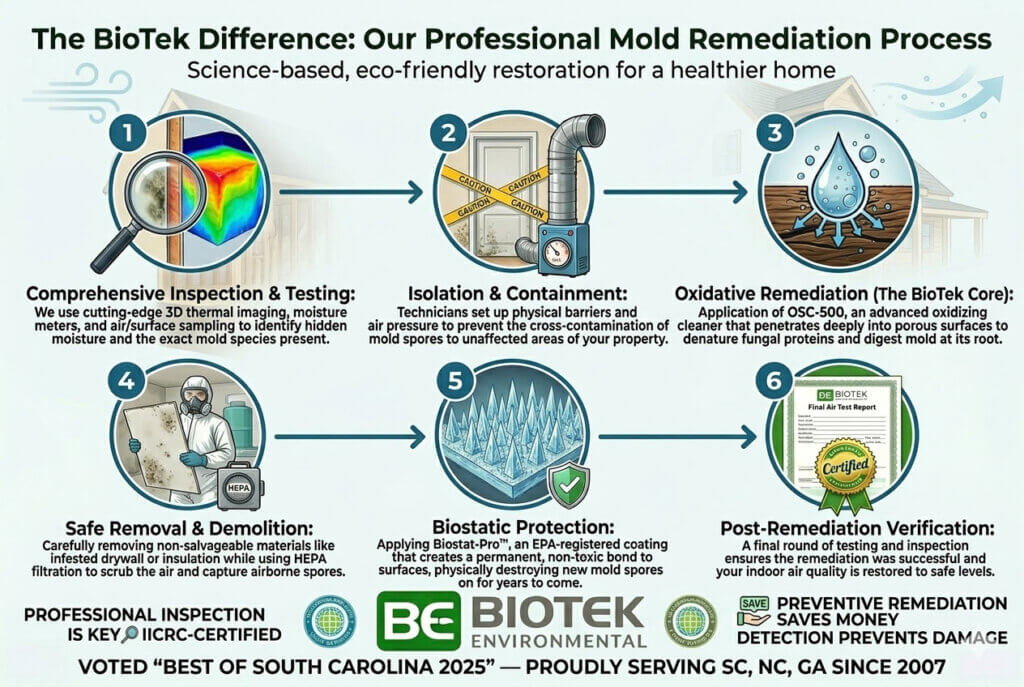
A professional inspection from BioTek Environmental Inc. goes far beyond a visual walkthrough. Trained inspectors use moisture meters, thermal imaging, and systematic assessment to identify areas of elevated moisture, signs of water intrusion, and conditions that promote mold growth. Inspections include areas that homeowners commonly overlook: attics, crawl spaces, HVAC systems, and inside wall cavities.
Professional Mold Testing
Testing determines whether mold is present, which species are involved, and at what concentration levels. Air sampling, surface sampling, and bulk material testing can provide a detailed picture of indoor mold conditions. This data is essential for understanding the scope of a problem and for verifying that remediation has been successfully completed.
The BioTek Solution: Clean, Green Restoration
If mold is found, “removal” isn’t enough; you need remediation that addresses the biological root. Traditional methods often involve harsh chemicals or abrasive sanding that can actually drive spores deeper into porous materials.
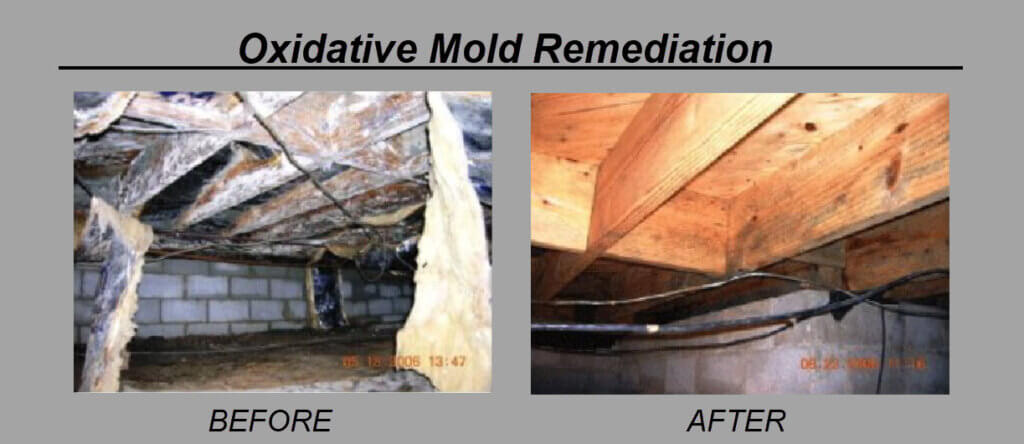
At BioTek, we use Oxidative Mold Remediation. This process:
- Denatures Proteins: It digests the fungal proteins that cause allergic reactions.
- Penetrates Deeply: The liquid formula reaches into the “roots” or hyphae of the mold that inhabit porous wood and drywall.
- Is Environmentally Safe: The chemistry breaks down into simple oxygen and water, leaving no toxic residues.
To prevent future issues, we offer Biostatic Coatings. This EPA-registered technology creates a permanent bond on surfaces that acts like microscopic needles, physically destroying mold spores on contact for years to come.
A Warning: Local Expertise vs. “Storm Chasers”
After severe South Carolina weather, you may see out-of-town contractors, often called “storm chasers,” knocking on doors. These companies often lack local licenses, use high-pressure tactics, and offer “too-good-to-be-true” pricing. Once the work is done, they often disappear, leaving you with no recourse if the mold returns.
BioTek Environmental has been locally owned and operated in the Midlands since 2007. Our reputation is built on long-term relationships, and we back our work with the industry’s most comprehensive 30-year warranty. We were even voted “Best of South Carolina 2025” for the second consecutive year and have been nominated again for 2026.

Prevention Tips for Homeowners and Property Managers
While professional inspection and remediation are the right response when mold is suspected, there are proactive steps that can reduce the risk of mold developing in the first place.
Monitor Indoor Humidity
Keep indoor relative humidity between 30 and 50 percent. Inexpensive digital hygrometers can be placed in basements, bathrooms, and other moisture-prone areas. If readings consistently exceed 60 percent, additional dehumidification or ventilation is needed.
Use Exhaust Fans Consistently
Run bathroom exhaust fans during and for at least 20 minutes after every shower or bath. Kitchen exhaust fans should be used when cooking, especially with boiling water or high-heat cooking. Ensure all exhaust fans vent to the outside — not into the attic or wall cavities.
Inspect for Leaks Regularly
Schedule periodic inspections of plumbing under sinks, around toilets, near dishwashers, and behind washing machines. Check visible pipes in utility areas for signs of dripping or corrosion. Look for water stains on ceilings and walls after rain events.
Ensure Proper Drainage Around the Building
Walk the exterior of the property after heavy rain to observe how water flows. Soil should slope away from the foundation on all sides. Keep gutters and downspouts clear of debris, and ensure downspout extensions direct water at least several feet away from the foundation.
Service HVAC Systems Annually
Have heating and cooling systems inspected and serviced each year. Replace filters on schedule, clean coils and drain pans that can accumulate moisture, and inspect ductwork for signs of condensation or biological growth. A well-maintained HVAC system is one of the most effective tools for managing indoor humidity.
Commission a Post-Construction Moisture Inspection
For newly built properties, consider scheduling a professional moisture inspection within the first year of occupancy. This proactive step can catch construction-related moisture issues before they have time to develop into significant mold problems. BioTek Environmental Inc. offers professional inspections for both residential and commercial new construction.
Act Early, Protect Your Investment
Mold does not wait for a building to age before it moves in. Trapped construction moisture, airtight design, hidden plumbing leaks, inadequate ventilation, and drainage problems all create the conditions mold needs to thrive, and none of these issues are unique to older properties. For anyone who owns, manages, or occupies a newer home or commercial building, the question is not whether mold could be a problem, but whether the right steps are being taken to detect it early and address it properly.
The good news is that mold problems caught early are far more manageable than those left to grow unchecked. Early action limits the extent of material damage, reduces the complexity of remediation, and helps protect the indoor air quality that you and everyone in the building breathe every day.
DIY cleaning may feel like a quick fix, but without addressing the moisture source and the full extent of growth, it is rarely a lasting solution. Professional inspection, testing, and remediation give you the accurate information and expert treatment needed to resolve the problem completely.
Frequently Asked Questions
1. Can brand-new homes have mold?
Yes. Mold can develop in newly built homes before the first occupants move in. Building materials exposed to rain or humidity during construction can trap moisture inside walls, floors, and structural components. Given the right conditions, mold can begin growing within 24 to 48 hours of a moisture event, regardless of how recently the property was built.
2. What causes mold in new construction?
The most common causes include trapped moisture from building materials, airtight construction that limits natural ventilation, improperly installed exhaust systems, hidden plumbing leaks, HVAC condensation, roof or window installation defects, and drainage or grading problems around the foundation. Often, more than one of these factors is present at the same time.
3. How do I know if mold is hidden in my home?
Common indicators include a persistent musty or earthy odor without an obvious source, allergy-like symptoms that improve when you leave the building, unexplained increases in indoor humidity, peeling or bubbling paint, warped flooring, and water stains on walls or ceilings. The only way to confirm hidden mold is through professional inspection and testing.
4. Can I clean mold myself?
Surface-level cleaning of very small, isolated mold patches on non-porous materials may provide temporary relief, but it rarely solves the underlying problem. Mold grows into porous materials and returns quickly if the moisture source is not corrected. Additionally, disturbing mold colonies without proper containment and protective equipment can spread spores to other areas of the building. Professional remediation is recommended for any significant or recurring mold growth.
5. When should I call a professional mold remediation company?
You should contact a professional any time mold is visible and larger than a small isolated patch, when mold is suspected but not visible, when occupants are experiencing unexplained health symptoms, when there is a confirmed or suspected water leak, or when you have attempted DIY cleaning and the mold has returned. Early action limits damage and reduces remediation costs.
6. Does mold always mean there is a leak?
Not always. While a plumbing or roof leak is a common cause, mold can also result from consistently high indoor humidity, condensation on cold surfaces, poor ventilation, or moisture that was trapped inside building materials during construction. A professional moisture assessment will identify the actual source rather than relying on assumptions.
7. Can mold come back after remediation?
Mold can return if the moisture source that caused the original growth is not identified and corrected. This is why professional remediation always includes moisture source identification as part of the process. When both the mold and its cause are properly addressed, recurrence is unlikely. BioTek Environmental Inc. includes post-remediation verification testing to confirm that conditions have been successfully resolved.
8. How long does professional mold remediation take?
The timeline depends on the size of the affected area, the location of the mold, and the extent of material damage. A small, accessible area may be addressed in a single day, while a larger or more complex case involving multiple rooms, ductwork, or structural materials may take several days. BioTek Environmental Inc. will provide a project assessment and timeline as part of the initial inspection process.
Suspect Mold in Your Home or Property? Don’t Wait.
If you have noticed a musty odor, unexplained allergy symptoms, visible discoloration, or any of the warning signs described above in a new home, a newly built commercial property, or any indoor environment do not wait for the problem to grow.
Because mold in new homes is often hidden, a visual check is rarely enough. BioTek Environmental Inc. utilizes 3D Thermal Imaging and advanced moisture meters to identify temperature differences behind walls. This allows us to find the exact source of moisture without the need for invasive demolition in your new property.

Contact BioTek Environmental Inc. today for a professional mold inspection, mold testing, and expert mold remediation. Our team is ready to assess your property, identify the source of the problem, and develop a remediation plan that addresses it completely so you can have confidence in the air you breathe and the safety of your home or building.
📞 Call Toll-Free 1 (888) 710-1009 | 🌐 Contact Us Online
This article is intended for educational purposes. For a professional evaluation of your specific home environment, please contact a certified mold remediation specialist.