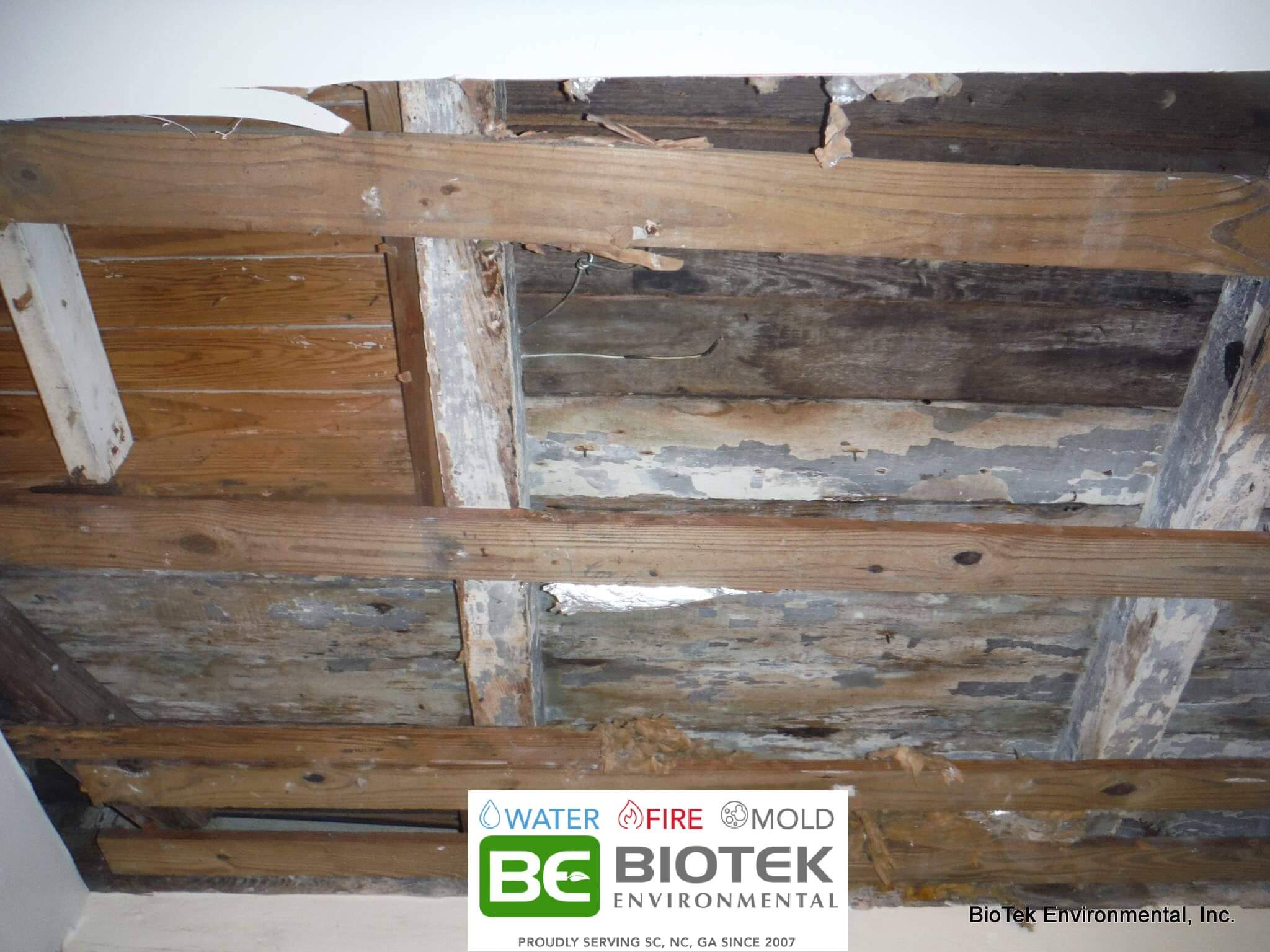
When John and Sarah moved into their dream Columbia home, they never imagined that the musty smell in their guest bedroom would lead to thousands of dollars in mold remediation costs. Like many South Carolina, North Carolina and Georgia homeowners, they dismissed the early warning signs until black spots began spreading across her ceiling. The reality? Mold had been silently growing behind their walls for months.

Like many property owners, their home is their most significant investment and a sanctuary for their family. If you’re a property owner in South Carolina, mold isn’t just a minor inconvenience; it’s a genuine threat to your home’s value, your family’s health, and your peace of mind. The Palmetto State’s humid subtropical climate creates the perfect breeding ground for mold growth, and without vigilance, what starts as a small patch can quickly escalate into a full-blown infestation requiring extensive remediation. If mold is left to thrive, it often threatens both the structural integrity of the building and the health of those inside.
Identifying mold issues early is the only way to prevent a minor moisture problem from evolving into a full-scale restoration nightmare. Our mold remediation experts at BioTek Environmental Inc. will walk you through how to inspect your home from top to bottom. Whether you’re dealing with a historic home in Georgetown or a modern property in Greenville, understanding the early warning signs can save you thousands of dollars and protect your most valuable investment.
The Anxiety of the Unknown: Why Mold Scares Homeowners
The stress associated with mold isn’t just about the fuzzy growth on a wall; it’s about the financial and physical consequences. Research suggests that roughly 50% of homes deal with some level of dampness and mold issues. For the 25% of the population who are genetically susceptible to mold-related illnesses, this is a major health crisis.

Property owners worry about toxic black mold (Stachybotrys chartarum), which is notorious for producing mycotoxins that can lead to neurological issues, chronic fatigue, and severe respiratory distress. Furthermore, the discovery of mold often occurs during a home inspection when you are trying to sell, leading to lost sales or slashed asking prices. Acting proactively to spot early signs is the best way to maintain your peace of mind and your home’s market value.
Why South Carolina Homes are a Magnet for Mold
If you live in South Carolina, you are already at a higher risk for fungal infestations due to the local climate. Mold is a fungus that requires three things to thrive: warmth, moisture, and organic food sources (like wood or drywall).
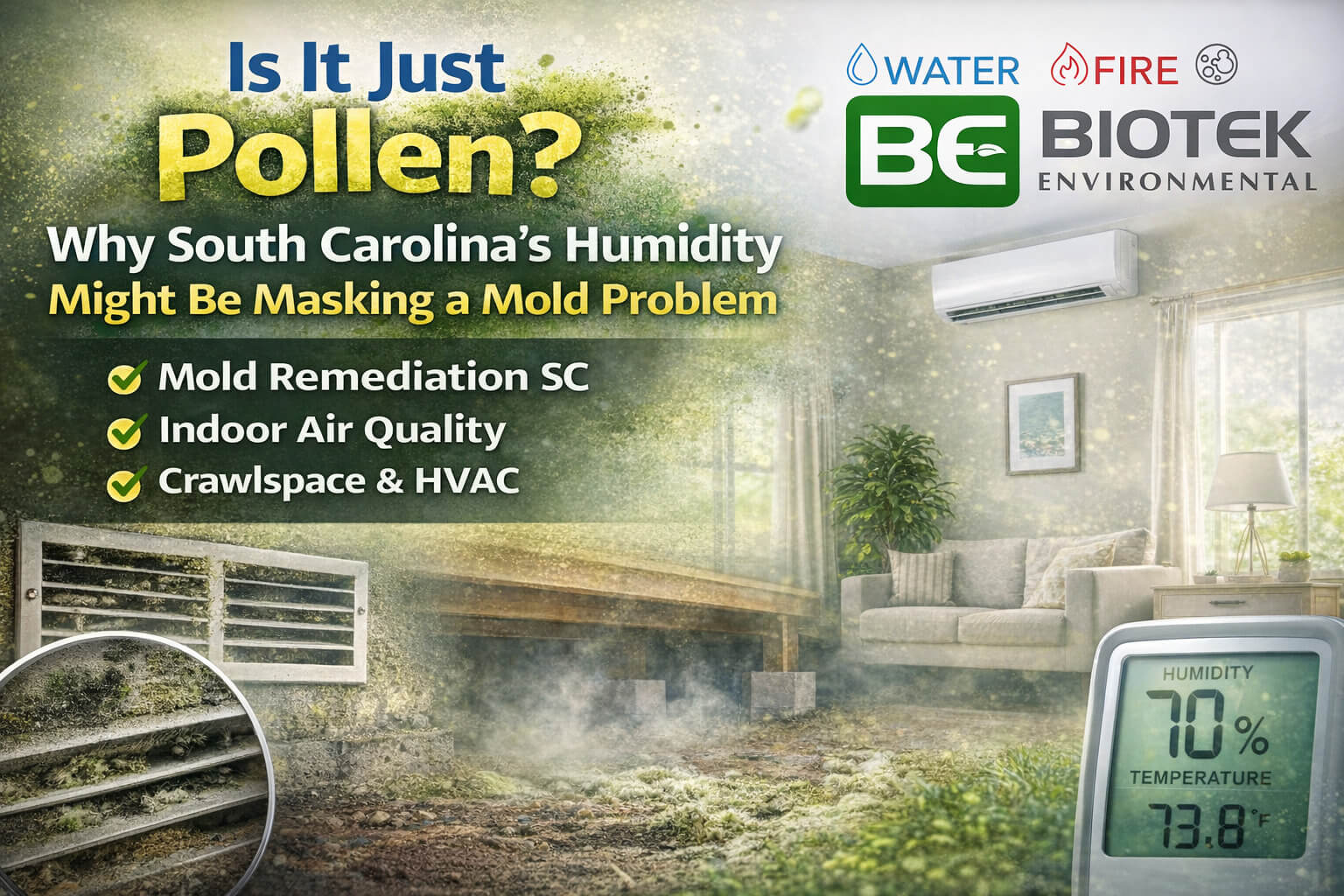
In South Carolina, the humidity levels are frequently high. The state’s average relative humidity hovers between 70% and 80% throughout much of the year, well above the 60% threshold where mold growth accelerates dramatically. In fact, most experts recommend keeping indoor humidity below 45% to 50%, yet the Southern air often pushes these levels much higher.

Additionally, our region faces specific seasonal threats:
- Hurricane and Tropical Storm Season: From June through November, heavy rains and flooding can introduce massive amounts of water into a home’s structure.
- Sudden Winter Freezes: Homes in the Carolinas and Georgia often have pipes in uninsulated areas like attics or crawl spaces. A sudden drop in temperature can cause frozen pipes to burst, leading to hidden flooding within walls.
The Science Behind Mold Growth: What You’re Really Fighting
Understanding your enemy helps you defeat it. Mold requires just three conditions to grow: moisture, organic material to feed on, and temperatures between 40°F and 100°F. Your home provides all three in abundance.
Mold spores float through the air constantly – they’re an unavoidable part of our environment. When these microscopic particles land on a damp surface with organic material (wood, drywall, carpet, fabric), they begin colonizing within 24 to 48 hours. Within days, a small water leak can transform into a sprawling mold colony.
Different mold species prefer different conditions. Some thrive in extremely wet environments like flooding scenarios, while others need only elevated humidity. The infamous black mold (Stachybotrys chartarum) prefers materials with high cellulose content like drywall and wood, making modern construction particularly vulnerable.
Mold grows exponentially. A small patch can release millions of spores, spreading to new locations throughout your home via air currents, HVAC systems, and even on your clothing. This aggressive reproduction strategy explains why early detection matters so critically—catching mold early prevents widespread contamination.
General Early Warning Signs You Should Never Ignore
Before we discuss specific rooms, there are several “universal” signs of a developing mold problem:

- The “Musty” Scent: This is often the first sign. Mold releases Microbial Volatile Organic Compounds (MVOCs) as it grows, which produces that characteristic earthy or “old sock” smell.
- Unexplained Allergic Reactions: If you find that your allergy symptoms, like watery eyes, runny noses, or skin rashes, worsen when you are at home but improve when you leave, mold is a likely culprit.
- Surface Discoloration: Mold isn’t always black. It can appear white and powdery, green and velvety, or even pink and orange. Any new stain or “dirt” that seems to be growing should be treated with suspicion.
- Bubbling Paint or Wallpaper: This often indicates that moisture is trapped behind the surface, providing a perfect dark, damp environment for mold to hide.
Attic Assessments: Detecting Mold Above Your Head
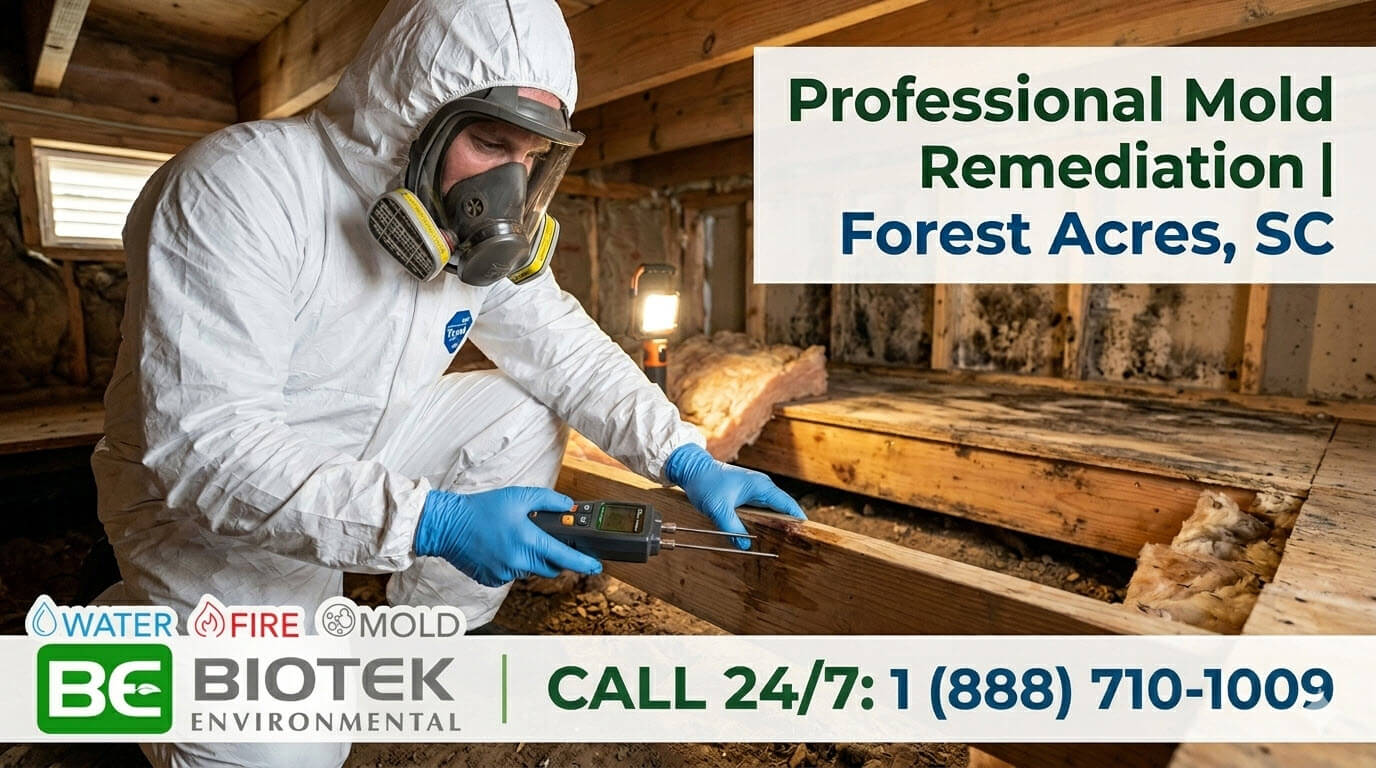
The attic is one of the most common places for mold to hide because homeowners rarely visit it. In South Carolina, the hot, rising air can carry moisture into the attic, where it condenses on cooler surfaces.
What to look for:
- Roof Leaks: Check the underside of the roof sheathing for dark staining or water tracks, especially around chimneys or vents.
- Matted Insulation: If your insulation looks compressed or discolored, it may have been wet. Damp insulation is a primary breeding ground for species like Penicillium.
- Improper Ventilation: Ensure that your bathroom or kitchen exhaust fans vent directly outside. If they vent into the attic, they are essentially pumping gallons of moisture into your roof structure every week.
Kitchens and Bathrooms: Managing Daily Moisture
These rooms are “high-moisture” zones by default, but they are also where mold can easily get out of control.

Early detection tips:
- Under the Sink: Periodically empty your cabinets and check for slow drips from the p-trap or supply lines. Even a tiny leak can saturate the wood cabinet base, leading to Alternaria growth.
- Window Sealants: Check the caulking around kitchen and bathroom windows. If it looks black or has a slimy texture, it is likely colonized.
- The Refrigerator Pan: Many people forget the drain pan under the fridge. Stagnant water here can grow mold that is then circulated by the appliance’s fan.
The Basement and Crawl Space: Out of Sight, Not Out of Mind
Basements and crawl spaces are notorious for poor ventilation and high humidity. Because these areas are in contact with the soil, moisture can seep through foundation cracks.

Specific signs to watch for:
- Efflorescence: This is a white, salty powder found on concrete walls. While it isn’t mold itself, it is a sign of water seepage, meaning mold is likely nearby.
- Condensation on Pipes: In the summer, cold water pipes can “sweat.” This dripping moisture can lead to mold on nearby floor joists.
- Warped Floorboards: If the floors on your first level feel “spongy” or are starting to buckle, it may be due to a major moisture problem in the crawl space below.
Hidden Mold: Looking Behind Walls and Furniture
Mold is an “opportunistic” grower that loves dark, stagnant areas. This means it often hides behind large pieces of furniture or inside wall cavities.
How to find it:
- Furniture Placement: If a bookshelf or sofa is pushed directly against an exterior wall, it prevents air circulation. Check the back of the furniture for fuzzy white or grey growth.
- Electrical Outlets: Sometimes, a musty smell is strongest near an outlet. This can indicate that mold is growing inside the wall cavity due to a hidden pipe leak or a roof issue.
- Thermal Imaging: Professional companies use infrared cameras to see “cold spots” behind walls, which often indicate hidden moisture or mold colonies that aren’t visible to the naked eye.
HVAC Systems: The Highway for Mold Distribution
Your home’s heating and cooling system acts as its circulatory system, which can either inhibit or accelerate fungal issues based on its maintenance and environmental conditions. While an HVAC system does not typically generate mold spontaneously, it frequently serves as a distribution network, spreading microscopic spores through every vent and creating the damp localized environments required for colonization.

Moisture in Evaporator Coils and Drain Pans
During regular cooling cycles, evaporator coils naturally collect condensation, resulting in a moisture-heavy environment. It is vital to inspect these coils annually for musty smells or visible growth, as specific species like Acremonium are known to thrive in humid cooling coils and drain pans. When drain pans become clogged or coils accumulate dust, they provide both the organic food source and the moisture necessary for rapid mold development. Professional servicing should always include a deep treatment of the coils and the sanitization of drain pans to break this cycle.
The Danger of Clogged Condensate Lines
Condensate drain lines are prone to frequent clogging, which causes water to back up into drip pans and overflow into the surrounding structural materials. A single backup can release significant amounts of water into your home, creating immediate mold risks that can manifest within just 24 to 48 hours. To mitigate this risk, it is recommended to flush these lines quarterly using professional cleaning services to ensure the system drains properly.
Identifying Contamination in Air Ducts
Your ductwork requires a professional inspection if you notice a persistent, musty odor specifically when the system is running. Other warning signs include visible growth near vent registers or unexplained respiratory symptoms among your family members. While routine duct cleaning is common, documented mold contamination, such as the presence of Alternaria in ductwork, requires professional remediation rather than simple cleaning to ensure spores are not aerosolized and spread throughout the rest of the house.
Air Filters and Airflow Integrity
High-quality air filters, particularly those utilizing HEPA filtration, are highly effective at removing the airborne particulates that circulate through your HVAC system. However, these filters must be replaced according to manufacturer recommendations or more frequently during high-pollen seasons. Dirty filters are a major liability; they restrict essential airflow, which can lead to localized condensation problems and a significant decline in indoor air quality.
The Danger of DIY: Why “Cleaning” Isn’t Remediation
When homeowners find mold, their first instinct is often to reach for bleach. However, this can actually make the problem worse. Chlorine bleach is mostly water; while it may kill the surface growth, the water it contains can penetrate porous materials and actually feed the mold roots (hyphae) that remain inside.
Furthermore, scrubbing mold without proper containment releases millions of spores into the air, potentially spreading the infestation to every room in the house via your HVAC system. Professional remediation involves isolating the area, using HEPA-filtered air scrubbers, and employing specialized chemistry that actually digests the fungal proteins.
Why BioTek Environmental Inc. is South Carolina’s Award-Winning Shield
When you suspect mold, you need a partner who understands the biological complexity of the problem. BioTek Environmental Inc. has been serving South Carolina and Georgia since 2007, establishing ourselves as the region’s premier restoration experts.

What sets BioTek apart:
- Award-Winning Service: Voted “Best of South Carolina” in the Restoration Contractor category for both 2024 and 2025.
- Oxidative Mold Remediation: BioTek uses a proprietary “Clean, Green” process. Instead of using toxic poisons or heavy metals for mold remediation, we use oxidative chemistry that breaks down into harmless oxygen and water while deeply penetrating porous surfaces to destroy mold at the root.
- Unmatched Warranties: We offer the most comprehensive warranties in the industry, including a 30-year guarantee on our work.
- Certified Expertise: Our teams are CMRS (Council-Certified Microbial Remediation Supervisor) and IICRC (Institute of Inspection Cleaning and Restoration Certification) certified, ensuring that every project follows the strictest safety and scientific standards.
Protect Your Home and Health Today!
Don’t let a small moisture problem turn into a health crisis or a structural failure. If you’ve noticed a musty smell, seen suspicious spots, or are struggling with persistent allergies, it’s time for professional insight. BioTek Environmental Inc. offers 24/7 emergency services and the peace of mind that comes with a 30-year warranty.

Call BioTek Environmental Inc. at (888) 710-1009 or contact us online today for a professional inspection and reclaim your home!
Frequently Asked Questions (FAQ)
Can I just paint over a moldy spot?
No. Mold is a living organism that will eat through the paint or continue to grow underneath it, eventually causing the paint to bubble and peel. You must remove the mold and address the moisture source first.
Is “black mold” always the most dangerous?
While Stachybotrys chartarum is highly toxic due to mycotoxins, many other types, like Aspergillus or Penicillium, can cause severe respiratory issues and lung infections, especially in those with compromised immune systems.
How do I know if the mold is truly gone?
Professional companies like BioTek Environmental provide post-remediation testing. This involves a third-party laboratory analyzing air samples to ensure the spore counts in your home have returned to safe, “normal” levels.
Does homeowners’ insurance cover mold?
It depends on the cause. Most policies cover mold that results from a “sudden and accidental” event, like a burst pipe. However, mold caused by long-term neglect or high humidity may not be covered.
Why does my house smell musty even though I don’t see mold?
The smell is caused by gases (MVOCs) released by the mold. This often means the colony is hidden inside walls, under carpets, or in your HVAC ductwork.
How can I prevent mold in South Carolina’s humid climate?
Prevention focuses on controlling moisture: maintain indoor humidity below 60%, ensure proper ventilation, especially in bathrooms and kitchens, fix leaks immediately, use dehumidifiers in basements, maintain gutters and drainage systems, and inspect regularly for early signs of water intrusion or condensation problems.