
Learn how to detect early signs of mold in every part of your home. Protect your health and property value with expert tips from BioTek Environmental.
Continue reading
Learn how to detect early signs of mold in every part of your home. Protect your health and property value with expert tips from BioTek Environmental.
Continue reading
Living in the beautiful Palmetto State comes with undeniable perks – stunning coastlines, mild winters, and lush landscapes. However, South Carolina’s warm, humid climate creates the perfect breeding ground for an unwelcome guest: mold. For homeowners across Columbia, Greenville, Spartanburg and beyond, the constant battle against moisture-related mold growth can feel overwhelming, especially when mold hides in places you’d never think to look.
The reality is sobering: humidity levels above 60% significantly accelerate mold growth, and in South Carolina, high humidity levels are common during the summer months, often exceeding this threshold. What makes this particularly challenging for homeowners is that mold doesn’t always announce its presence with visible growth or musty odors. Hidden mold can silently colonize behind walls, under flooring, in attics, and within HVAC systems, potentially compromising your family’s health and your property’s structural integrity before you even realize there’s a problem.
BioTek Environmental Inc. has created this comprehensive guide to address the unique mold prevention challenges faced by South Carolina homeowners, offering climate-specific strategies that work in our subtropical environment. From understanding seasonal moisture patterns to implementing cost-effective prevention measures, we’ll equip you with the knowledge needed to protect your home year-round.
One of the most frustrating aspects of mold prevention in South Carolina is dealing with mold that grows out of sight. Unlike visible surface mold that appears on bathroom walls or window sills, hidden mold poses a more insidious threat. It thrives in the dark, damp spaces within your home’s structure, often going undetected for months or even years.
Hidden mold commonly develops in several key areas of South Carolina homes. Crawl spaces, particularly prevalent in our region, provide ideal conditions with poor ventilation and ground moisture. Wall cavities behind drywall can harbor mold when moisture from leaks or condensation becomes trapped. Attics, despite appearing dry, can experience significant moisture buildup from temperature differentials and inadequate ventilation. HVAC ductwork, especially in humid climates, can accumulate moisture and become a distribution system for mold spores throughout your home.
The health implications of hidden mold exposure are particularly concerning. Family members may experience persistent respiratory issues, unexplained fatigue, or worsening allergies without connecting these symptoms to mold exposure. The gradual nature of hidden mold problems means that by the time symptoms become noticeable, the contamination may be extensive.
Property damage from hidden mold can be devastating. Structural wood components can weaken, insulation can become saturated and ineffective, and entire sections of drywall may require replacement. The financial impact extends beyond remediation costs to include potential decreases in property value and challenges with home insurance claims.
The Palmetto State’s climate is a primary factor contributing to its high mold potential, with warm temperatures coupled with consistently high humidity levels throughout much of the year providing the perfect conditions for mold spores to thrive and multiply. South Carolina experiences a humid subtropical climate characterized by long, hot summers and mild winters, creating year-round conditions favorable to mold growth.
The coastal influence significantly impacts inland areas, with coastal areas like Charleston, Myrtle Beach, and even inland cities like Columbia and Greenville experiencing significant humidity spikes, particularly in spring. This consistent moisture in the air means that mold spores, which are naturally present in all outdoor environments, find ample opportunity to germinate and establish colonies when they encounter suitable surfaces indoors.
Temperature fluctuations throughout the day and across seasons create additional challenges. When warm, humid air contacts cooler surfaces such as air-conditioned interior walls or cold water pipes condensation occurs. This condensation provides the moisture necessary for mold growth on surfaces that might otherwise remain dry.
In Myrtle Beach and similar coastal areas, lower dew points occur in the winter and higher, “muggier” days make up most of the weeks from May through October. This extended period of high humidity means that mold prevention measures must be maintained consistently for the majority of the year, unlike climates with distinct dry seasons.
The combination of these factors creates what experts call “mold season,” which in South Carolina essentially extends from spring through fall. During this time, outdoor humidity levels regularly exceed the 60% threshold that accelerates mold growth, making indoor humidity control critical for mold prevention.
Understanding where moisture problems typically originate in South Carolina homes is essential for effective mold prevention. Common culprits for moisture issues in South Carolina properties that contribute to mold growth include high indoor humidity due to climate or lack of proper ventilation, leaky roofs, pipes, or foundations that allow water intrusion, and flooding events which quickly saturate building materials.
Bathroom moisture represents one of the most persistent challenges. Poor ventilation combined with regular steam from hot showers creates chronically humid conditions. Without proper exhaust fans or adequate air circulation, moisture accumulates on surfaces and within wall cavities, particularly around tubs, showers, and toilet areas.
Kitchen moisture sources include cooking steam, dishwasher operation, and potential plumbing leaks under sinks. The combination of heat and moisture from cooking activities, especially during South Carolina’s already humid months, can overwhelm a home’s natural drying capacity.
Basement and crawl space moisture problems are particularly common in South Carolina due to the region’s high groundwater levels and periodic flooding. Poor drainage around foundations, inadequate vapor barriers, and insufficient ventilation create ideal conditions for mold growth in these below-grade spaces.
HVAC systems present unique moisture challenges in South Carolina’s climate. Air conditioning units working hard to combat high humidity can develop condensation problems, while ductwork installed in unconditioned spaces can accumulate moisture on exterior surfaces. Poorly maintained HVAC systems can actually distribute mold spores throughout the home while simultaneously creating moisture problems.
Roof leaks, whether from storm damage, aging materials, or poor installation, introduce water into attic spaces and wall cavities. In South Carolina’s frequent thunderstorm environment, even minor roof defects can lead to significant moisture intrusion over time.
Effective humidity control forms the foundation of mold prevention in South Carolina homes. The goal is maintaining indoor relative humidity between 30% and 50%, which creates an environment hostile to mold growth while remaining comfortable for occupants.
Mechanical dehumidification serves as the primary line of defense against excessive indoor humidity. Whole-house dehumidifiers integrated with HVAC systems provide consistent humidity control throughout the home, automatically adjusting operation based on current conditions. For targeted moisture control, portable dehumidifiers can address specific problem areas like basements or bedrooms.
Air conditioning systems play a dual role in humidity management by cooling air and removing moisture. However, proper sizing and maintenance are crucial—oversized units may cool spaces quickly without adequate moisture removal, while undersized systems may run continuously without achieving proper dehumidification. Regular filter changes, coil cleaning, and drain line maintenance ensure optimal performance.
Natural ventilation, when humidity conditions permit, can help reduce indoor moisture levels. Strategic window placement and exhaust fans in bathrooms and kitchens remove moisture-laden air at its source. However, in South Carolina’s humid climate, natural ventilation alone is rarely sufficient during summer months.
Moisture monitoring provides valuable data for humidity management decisions. Digital hygrometers placed in different areas of the home help identify problem zones and track the effectiveness of humidity control measures. Smart home humidity monitors can provide real-time alerts when conditions become favorable for mold growth.
South Carolina’s year-round mold threats require homeowners to adapt their prevention strategies as weather patterns shift from humid springs to storm-heavy summers and temperature-fluctuating winters. Understanding how each season presents unique moisture challenges allows you to stay one step ahead of mold growth by implementing targeted prevention measures when they’re most effective.
Spring presents unique challenges as warm air holds more moisture, and coastal areas experience significant humidity spikes during this season. During spring months, focus on preparing HVAC systems for increased use, cleaning gutters and drainage systems to handle spring rains, and conducting thorough inspections of areas that may have developed moisture problems during winter.
Summer demands the most intensive mold prevention efforts due to peak humidity levels and frequent thunderstorms. Air conditioning systems work hardest during these months, requiring more frequent filter changes and maintenance. Storm preparation becomes critical, including securing loose roofing materials, clearing drainage systems, and ensuring backup power availability for dehumidification systems.
Fall maintenance focuses on preparing for winter moisture challenges while addressing any summer damage. Heating system preparation, weatherization projects, and final exterior maintenance tasks help prevent winter moisture intrusion. This season also provides an opportunity to conduct comprehensive mold inspections before spaces become less accessible during colder months.
Winter, while milder in South Carolina than northern climates, still presents moisture challenges from temperature differentials and reduced ventilation. Heating systems can create condensation problems, while sealed homes trap moisture from daily activities. Maintaining proper ventilation while conserving energy requires balanced mechanical ventilation approaches.
Proper ventilation removes moisture-laden air and introduces fresh, drier air from outside (when conditions permit). In South Carolina homes, mechanical ventilation systems often prove necessary due to the extended periods when outdoor air contains more moisture than desired for indoor conditions.
Bathroom ventilation requires exhaust fans rated appropriately for room size and capable of handling the moisture loads from hot showers. Fans should operate during and after shower use until humidity levels return to normal. In larger bathrooms or those with multiple moisture sources, multiple fans or more powerful units may be necessary.
Kitchen exhaust systems remove moisture from cooking activities while also eliminating odors and airborne particles. Range hoods should vent to the exterior rather than recirculating air back into the kitchen, and proper duct sizing ensures adequate airflow.
Whole-house ventilation systems, including energy recovery ventilators (ERVs) and heat recovery ventilators (HRVs), provide controlled air exchange while minimizing energy losses. ERVs are particularly beneficial in South Carolina’s climate as they transfer both temperature and humidity between incoming and outgoing air streams.
Attic ventilation prevents moisture buildup in these critical spaces through proper inlet and exhaust vent placement. Ridge vents combined with soffit vents create natural air movement, while powered exhaust fans can supplement natural ventilation during peak moisture conditions.
Creating physical barriers against water intrusion forms a critical line of defense in South Carolina’s moisture-rich environment, where ground water levels and frequent precipitation constantly challenge your home’s defenses. Proper waterproofing and moisture barriers work as silent guardians, preventing water from reaching surfaces where mold can establish and thrive before you even realize moisture has entered your home.
Foundation waterproofing addresses one of the most common moisture sources in South Carolina homes, where high groundwater levels and frequent precipitation challenge below-grade spaces.
Exterior waterproofing includes proper grading to direct water away from foundations, installation of French drains where necessary, and application of waterproof coatings or membranes to foundation walls. Interior approaches include basement waterproofing systems with sump pumps and interior drainage.
Crawl space encapsulation creates a moisture barrier between the ground and the home’s structure. Heavy-duty vapor barriers cover crawl space floors and walls, while proper sealing and conditioning of the space prevent moisture intrusion and mold growth.
Roof and wall barriers prevent water intrusion from exterior sources. Proper flashing around windows, doors, and roof penetrations, along with weather-resistant barriers behind siding materials, create multiple layers of protection against moisture intrusion.
Window and door sealing addresses common penetration points for both air and moisture. Quality caulking, weatherstripping, and properly installed windows and doors prevent moisture infiltration while improving energy efficiency.
Heating, ventilation, and air conditioning systems play crucial roles in mold prevention but can also become sources of mold problems when poorly maintained. Regular maintenance ensures these systems remove moisture rather than distribute mold spores throughout the home.
Filter replacement represents the most basic yet critical maintenance task. Dirty filters reduce airflow, decrease system efficiency, and can harbor mold growth themselves. In South Carolina’s dusty and humid environment, filters may require changing more frequently than manufacturer recommendations suggest.
Coil cleaning removes accumulated debris and biological growth from evaporator and condenser coils. Dirty coils reduce heat transfer efficiency and create surfaces for mold growth, while clean coils operate more efficiently and resist biological contamination.
Drain line maintenance prevents condensate backups that can cause water damage and create ideal mold growing conditions. Regular cleaning and the use of algaecide treatments keep drain lines flowing freely and prevent biological growth within the drainage system.
Ductwork inspection and cleaning address hidden areas where mold can grow and spread throughout the home. Professional duct cleaning removes accumulated debris and biological growth while allowing for inspection of ductwork integrity and proper insulation.
For new construction or after a remediation project, consider professional-grade preventative measures. Biostatic antimicrobial coatings are an advanced, EPA-registered solution that can be applied to surfaces like wood, concrete, and brick. This coating forms a permanent bond that inhibits the growth of bacteria, fungi, and mold, providing long-term protection against future infestations. It’s a non-toxic, environmentally safe way to protect your investment.
Many effective mold prevention strategies can be implemented by homeowners without professional assistance, providing significant protection at reasonable cost. These approaches focus on moisture control, early detection, and maintaining conditions unfavorable to mold growth.
Moisture monitoring using inexpensive digital hygrometers helps identify problem areas and track the effectiveness of prevention efforts. Placement in basements, bathrooms, bedrooms, and other vulnerable areas provides early warning of developing moisture problems.
Improved cleaning protocols using mold-inhibiting products help prevent surface mold growth while removing the organic materials that feed mold colonies. Regular cleaning of bathrooms, kitchens, and other high-moisture areas with appropriate products creates hostile environments for mold growth.
Air circulation enhancement through strategic fan placement and operation helps remove moisture and prevent stagnant air conditions. Ceiling fans, portable fans, and window fans can significantly improve air movement when used thoughtfully.
Simple repairs and maintenance tasks, including caulk replacement, minor plumbing repairs, and weatherization improvements, address moisture intrusion points before they become major problems. Regular inspection and prompt attention to minor issues prevent small problems from becoming costly mold remediation projects.
Housekeeping practices that reduce moisture sources include proper ventilation during cooking and showering, prompt cleanup of spills and leaks, and maintaining indoor plants appropriately to avoid overwatering and excess soil moisture.
While many mold prevention strategies can be handled by homeowners, certain situations require professional intervention to ensure safe and effective remediation. If there has been a lot of water damage, and/or mold growth covers more than 10 square feet, the EPA recommends consulting professional remediation guidelines typically used for schools and commercial buildings.
The 10-square-foot threshold represents the point where mold contamination requires specialized handling procedures, containment measures, and professional-grade equipment. Attempting to remediate large mold problems without proper training, equipment, and protocols can actually spread contamination to previously unaffected areas of the home.
Professional assessment becomes critical when mold problems involve HVAC systems, as improper remediation can distribute spores throughout the entire home. Hidden mold in wall cavities, structural areas, or crawl spaces also typically requires professional expertise to locate, assess, and properly remediate without causing additional damage.
Health concerns, particularly for family members with respiratory conditions, compromised immune systems, or mold allergies, warrant professional evaluation and remediation. Professional remediators understand the health implications of different mold species and can implement appropriate safety measures during the remediation process.
Insurance considerations often favor professional remediation, as many policies require professional assessment and documentation for coverage of mold-related claims. Professional remediators provide the documentation and certification often necessary for insurance claim approval.
When professional mold remediation becomes necessary, choosing an experienced, certified company ensures safe and effective resolution of mold problems. BioTek Environmental Inc. brings specialized expertise in South Carolina’s unique mold challenges, combining advanced technical knowledge with deep understanding of our regional climate conditions. We have been proudly serving South Carolina, North Carolina, and Georgia since 2007, building a reputation for excellence and customer satisfaction.
Voted “Best of South Carolina” for two consecutive years (2024 and 2025), this recognition is driven by the votes of real South Carolinians who have experienced our services firsthand.
Our technicians are highly trained and certified, with years of experience in mold remediation and water damage restoration. We use cutting-edge technology like thermal imaging to find hidden moisture sources without unnecessary demolition.
We utilize an Oxidative mold remediation process, which is an environmentally safe and highly effective method that penetrates porous surfaces to eliminate mold at its source. This process uses EPA-registered, non-toxic chemistries, ensuring the safety of your family and home.
We offer a full range of services, from mold inspection and testing to complete remediation, water damage restoration, and preventative solutions like biostatic coatings.
Your protection is our priority. We offer the best and most comprehensive warranties in the industry, giving you peace of mind long after the job is done.
In South Carolina’s warm, humid conditions, mold can begin growing within 24-48 hours when moisture levels exceed 60% relative humidity. Visible growth typically appears within several days to a week under favorable conditions.
Indoor humidity should be maintained between 30-50% relative humidity year-round. During summer months, this often requires mechanical dehumidification due to outdoor humidity levels regularly exceeding 60%.
While bleach can kill surface mold on non-porous surfaces, it’s not effective on porous materials like wood or drywall. Additionally, bleach doesn’t address the root moisture problem, and mold will typically return if underlying conditions aren’t corrected.
HVAC systems should be professionally inspected annually, with more frequent attention to filter changes (monthly during peak use) and drain line cleaning (quarterly). In South Carolina’s humid climate, systems work harder and may require more frequent maintenance.
Mold exposure can cause respiratory irritation, allergic reactions, asthma exacerbation, and other health issues. Individuals with compromised immune systems, existing respiratory conditions, or mold allergies face higher risks and should seek professional remediation for any significant mold problems.
Coverage varies by policy and cause of mold growth. Mold resulting from sudden, accidental water damage is often covered, while mold from ongoing maintenance issues may not be. Professional documentation of the mold problem and its cause is typically required for claims.
Signs of hidden mold include persistent musty odors, unexplained respiratory symptoms, visible water damage or staining, and elevated humidity levels in specific areas. Professional inspection with specialized equipment may be necessary to locate hidden mold.
For small areas (less than 10 square feet), you may address surface mold with appropriate cleaning products while identifying and correcting the moisture source. For larger areas or mold in HVAC systems, contact professional remediators immediately and avoid disturbing the contamination.
Mold can return if the underlying moisture problem isn’t corrected or if new moisture intrusion occurs. Successful long-term mold prevention requires ongoing humidity control, proper ventilation, and prompt attention to moisture problems.
Mold removal implies complete elimination, which isn’t realistic since mold spores are naturally present everywhere. Mold remediation focuses on removing contaminated materials, cleaning affected surfaces, and correcting conditions to prevent regrowth, returning mold levels to normal background concentrations.
Don’t let South Carolina’s humid climate compromise your family’s health and your property’s value. Mold problems only worsen with time, and the cost of prevention is always less than the cost of remediation. Start implementing these climate-specific prevention strategies immediately, and remember that professional help is just a phone call away when you need it.
If you suspect mold growth covering more than 10 square feet, have discovered mold in your HVAC system, or are experiencing persistent moisture problems despite your best prevention efforts, contact BioTek Environmental Inc. today. Our certified professionals provide comprehensive assessment, safe remediation, and ongoing prevention guidance tailored specifically to South Carolina’s unique climate challenges.
Contact BioTek Environmental Inc. now for your consultation and mold inspection and take the first step toward a healthier, mold-free home. Call us toll-free at 888-710-1009 anytime, 24/7, or contact us online to schedule an assessment. Your family’s health and your property’s integrity are too important to leave to chance.

Discover how mold affects your indoor air quality through spores and mVOCs, learn to identify mold problems, and find effective remediation strategies from BioTek Environmental experts.
Continue reading
Learn about the differences between black mold (Stachybotrys chartarum) and other common household molds, their toxicity levels, and why professional remediation from BioTek Environmental is crucial.
Continue reading
Learn about the benefits of non-toxic mold removal methods. Protect your health and the environment with safe and effective solutions from BioTek Environmental Inc.
Continue readingMold is present in our indoor and outdoor environment, playing a crucial role in the decomposition of organic matter. However, its presence and growth indoors pose a potential health hazard and can also significantly impact the structural integrity of your home or business. As a leader in mold remediation and mold removal services, BioTek Environmental Inc. would like to provide you with important information about mold to empower you with the knowledge to identify, address, and prevent its growth.
Mold is a fungi so it thrives in damp environments, reproducing through microscopic spores that readily travel through the air. Upon landing on a suitable surface, these spores germinate and form thread-like structures called hyphae. Hyphae intertwine to create a network, the mycelium, which is the visible mold growth we often find in dark corners of our homes.
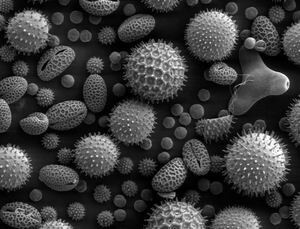
There are thousands of mold species, each with varying characteristics and potential health effects. While some molds are beneficial, such as those used in food production (e.g., penicillin), others can trigger allergic reactions, respiratory problems, and even neurological issues in susceptible individuals. That’s why the CDC suggests that “No matter what type of mold is present, you need to remove it” as the health effects of mold can vary from person to person.
As we mentioned, and you probably know, mold thrives in damp environments with organic materials to feed on (e.g. wood, fabric, drywall, food). Consequently, common areas prone to mold growth include:
Early detection of mold is crucial for minimizing health risks and preventing structural damage. Here are some telltale signs of a potential mold problem:
The health effects of mold exposure vary depending on an individual’s sensitivity, the type of mold, and the duration of exposure. Common health concerns associated with mold include:
While small mold patches less than 10 square feet might seem manageable with DIY solutions, extensive mold growth or hidden mold infestations require professional intervention. BioTek Environmental Inc. offers a comprehensive mold remediation process that ensures the safe and complete removal of mold and its spores. We adhere to IICRC-certified practices and utilize advanced techniques and equipment to:
Most of us have heard the saying that “an ounce of prevention is worth a pound of cure.” This definitely applies to mold! Here are some key strategies to help you prevent mold infestation in your home:
At BioTek Environmental Inc., we understand the potential health risks and anxieties associated with mold growth. Our team of professionals is equipped with the knowledge, experience, and cutting-edge technology to effectively address any mold concerns you might have. What sets BioTek Environmental apart from other mold removal companies is:
When it comes to mold remediation, choosing the right company is crucial. Here are some compelling reasons to trust BioTek Environmental Inc. for your mold remediation needs:
Since its establishment in 2007, BioTek Environmental Inc. has a proven track record of successfully remediating mold infestations of all sizes and complexities. We possess the experience and expertise to handle any mold problem effectively in homes and commercial or industrial properties with our effective mold services.
As a family-owned and operated business, we prioritizes customer satisfaction. We understand the emotional toll mold can take, and our team is dedicated to providing compassionate and responsive service throughout the remediation process.
BioTek Environmental Inc. utilizes state-of-the-art equipment and technology to ensure efficient, safe, and complete mold removal. Our mold services includes advanced air filtration systems with HEPA filters to capture and remove mold spores, negative air pressure machines to contain the mold growth, and moisture detection meters to pinpoint the source of moisture problems. We also utilize specialized tools for safe and effective mold removal from various surfaces. For in-depth investigation and inspection, we also use cutting-edge technology such as thermal imaging to detect hidden moisture issues, microscopy to identify specific mold types, and air sampling to assess indoor air quality. This comprehensive approach ensures we address the root cause of the problem and create a healthy living environment.
We always prioritize the health and safety of your family and pets. We employ industry best practices and, as our name suggests, we utilize environmentally-friendly products. This includes using advanced oxidative remediation techniques that eliminate mold and other bio-contaminants through a safe and effective process. Oxidative remediation offers several advantages:
By utilizing these advanced techniques, BioTek creates a healthier living environment for your family while minimizing environmental impact.
At BioTek Environmental, we care about our customers and we try to assist you with navigating the insurance claim process for mold remediation.
The presence of mold in your home can be a stressful and overwhelming experience. We understand the urgency of addressing mold growth, and since 2007, we have been helping home and business owners in Columbia, Greenville, Spartanburg, SC, as well as Charlotte, NC and Augusta, GA, and everywhere in between with all their mold remediation needs. We are on call 24 hours a day, 365 days a year. We will have someone on-site at your property to make an assessment and begin restoration within 2 hours of your call to us. Contact BioTek Environmental Inc. today for a mold inspection and consultation and learn more about our professional mold services. Our certified professionals will assess your situation, explain your options, and answer any questions you may have. We are committed to providing you with peace of mind and a healthy living environment for your family.

Breathe easy and live healthily in South Carolina with BioTek Environmental’s mold remediation services. Learn how to choose the best mold remediation company and why our Oxidative method is the best solution.
Continue reading
Learn about health issues caused by black mold and the steps you can take to minimize your exposure to this health hazard.
Continue reading
BioTek Environmental would like to share with you some of the ways you can determine if you have mold issues in your home or work environment
Continue reading
Mold not only infects the walls of our homes but also virtually everything inside it as well. This means that it can also affect our health! Find Out More!
Continue reading