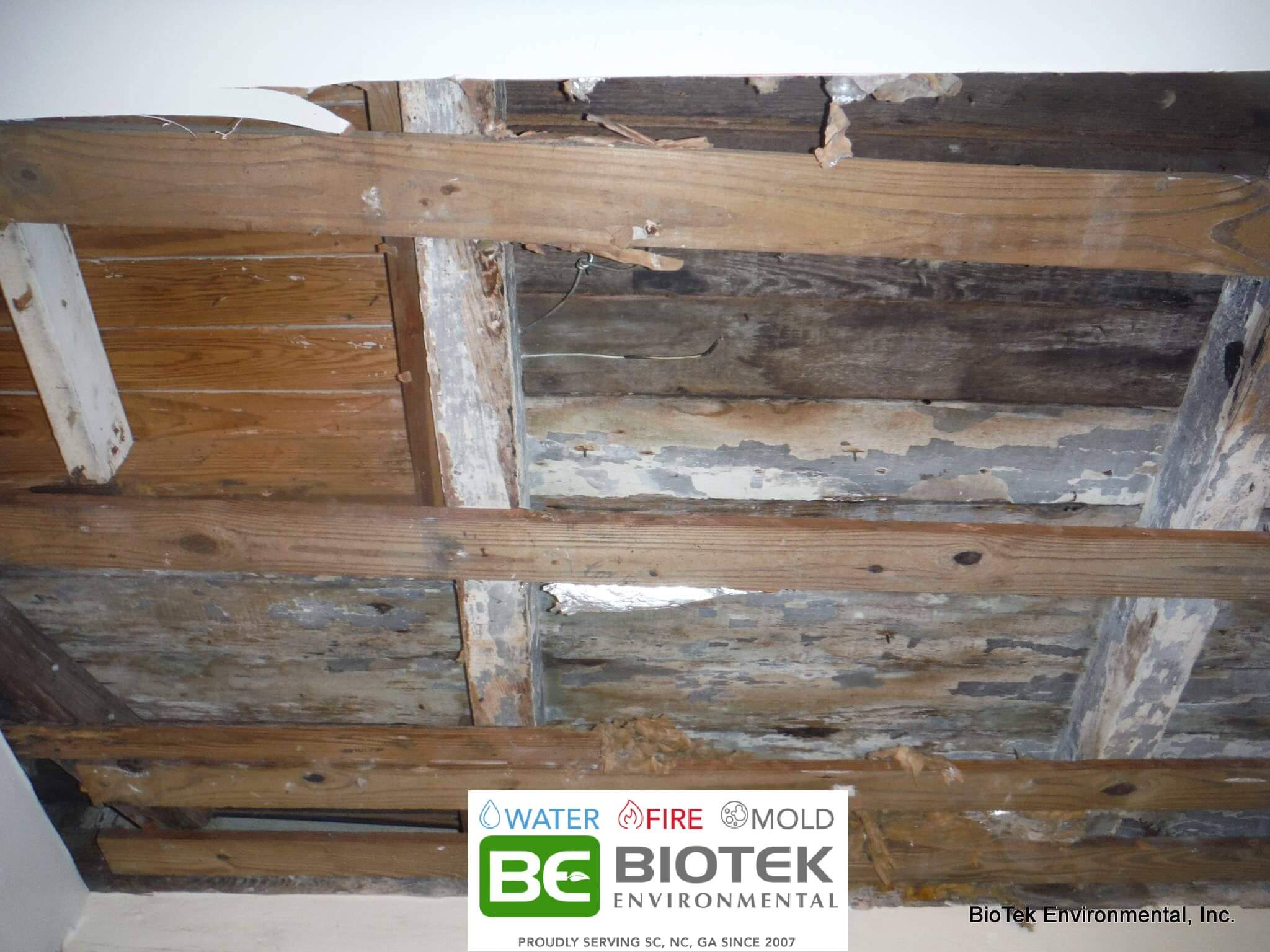
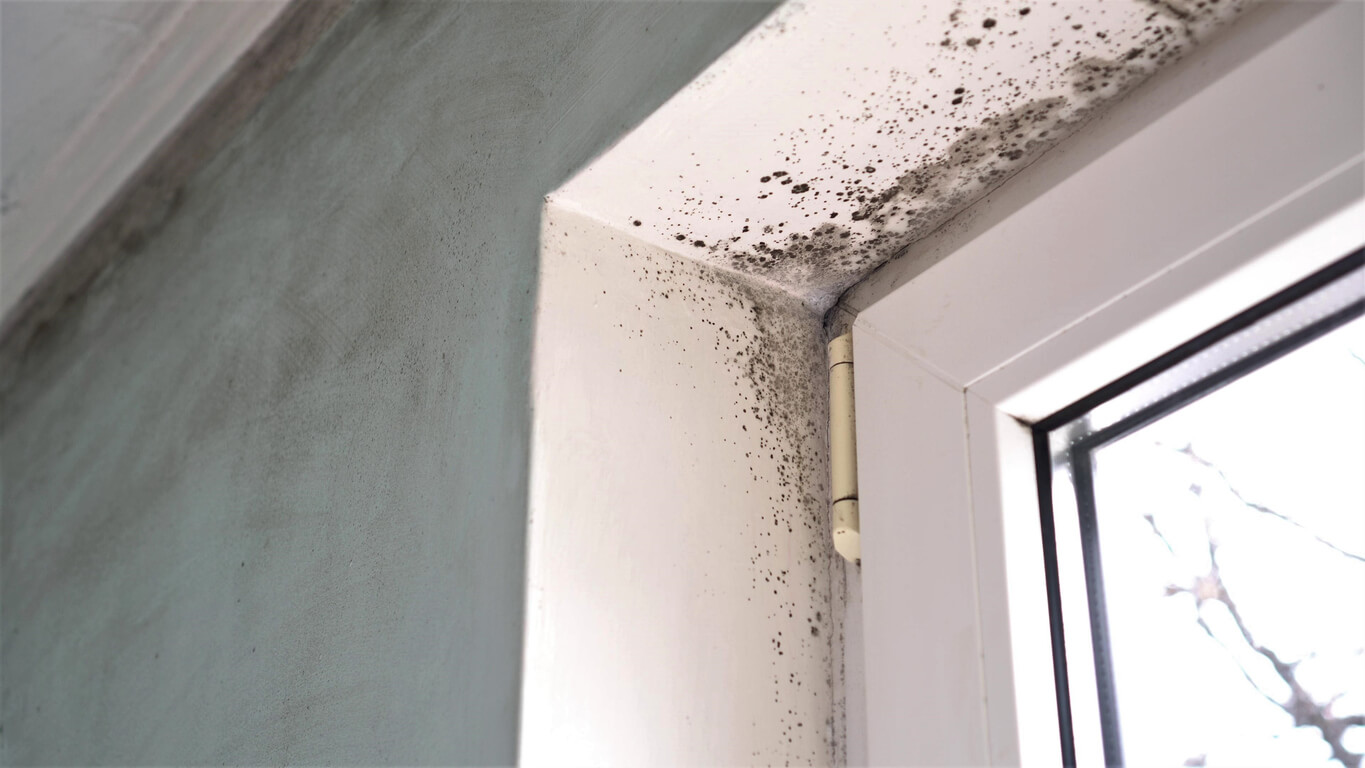
Spring in South Carolina brings warmer weather and blooming flowers, but it also creates ideal conditions for mold growth. The combination of increased humidity and rising temperatures can turn your home into a breeding ground for mold. Understanding these conditions and taking proactive steps is crucial to preventing mold infestations and maintaining a healthy living environment.
Understanding Mold: The Basics
Mold is a type of fungus that thrives in moist, warm environments. Mold spores are everywhere, indoors and outdoors, and enter your home through the air or by attaching themselves to objects or people. When these spores land in areas with excessive moisture and a steady supply of nutrients, they begin to grow.
- Mold needs moisture, warmth, and organic material to grow.
- Mold can grow on various surfaces such as walls, ceilings, floors, fabric, paper, and wood.
- Mold can be many different colors and can have a musty odor.
Moisture: The Lifeblood of Mold
Moisture is by far the most critical factor for mold growth. Without a source of water, mold spores cannot germinate and multiply. This moisture can come from many sources, some obvious and some less so:
- Humidity: High relative humidity in the air provides ample moisture for mold to take hold, especially in damp areas of your home.
- Leaks: Plumbing leaks, roof leaks, or even condensation from pipes can introduce significant moisture.
- Flooding: Even minor flooding events, or water intrusion from heavy rains, provide a huge water source.
- Condensation: When warm, moist air hits a cold surface, like a cold pipe or window, condensation forms, creating a damp environment.
Food Source: What Mold Eats
Mold is a decomposer, meaning it feeds on organic materials. In our homes, there’s plenty for mold to eat:
- Building Materials: Wood, drywall, insulation, and paper products are all organic and can serve as food for mold.
- Fabrics and Textiles: Carpets, upholstery, clothing, and even dust that settles on surfaces contain organic matter.
- Dirt and Debris: Accumulated dirt and organic debris, especially in damp areas, can support mold growth.
Temperature: Warmth Encourages Growth
Mold thrives in moderate temperatures, typically between 40°F and 100°F. This is why spring and summer months are peak seasons for mold growth. While mold can grow in cooler temperatures, its growth rate significantly increases as temperatures rise within this range.
Time: Mold Doesn’t Wait Around
Mold can start to grow within 24 to 48 hours in the right conditions. This rapid growth rate means that even short periods of moisture exposure can lead to a mold problem if other conditions are also present. This is why acting quickly to dry out wet areas is essential.
Why South Carolina Springs Are a Hotspot for Mold
South Carolina’s spring climate creates a perfect storm for mold growth. Let’s break down why our beautiful state becomes a mold paradise during this time of year:
High Humidity Levels in Spring
South Carolina is known for its humid climate, and spring is no exception. As temperatures begin to rise, so does the humidity. Warm air holds more moisture, and coastal areas like Charleston, Myrtle Beach, and even inland cities like Columbia and Augusta, GA experience significant humidity spikes in spring. This high humidity provides the continuous moisture source that mold needs to flourish.
Increasing Temperatures Provide Ideal Conditions
Spring in South Carolina means temperatures are steadily climbing out of the cooler winter months and heading towards the heat of summer. These moderate, warming temperatures are precisely within the ideal growth range for most common household molds. As homes start to warm up after being closed up for winter, any dampness combined with these rising temperatures accelerates mold growth.
Spring Showers and Rain
Springtime in South Carolina also brings frequent rain showers. While the rain is welcome for our gardens and landscapes, it also increases the risk of water intrusion into homes. Leaky roofs, overflowing gutters, and even just increased soil moisture around foundations can lead to damp basements, crawl spaces, and walls – all prime locations for mold to start growing.
Homes Closed Up After Winter
After the colder months, many South Carolinians are just starting to open up their homes more. During winter, homes are often kept tightly sealed to conserve heat. This can trap moisture inside. As spring arrives and homes are opened less frequently than in summer months (before the full heat necessitates constant AC), ventilation may still be limited, allowing trapped winter moisture combined with new spring humidity to foster mold growth.
Expert Tips for Preventing Mold Growth This Spring
Preventing mold is always easier and healthier than dealing with an existing mold problem. Here are expert-level strategies to keep mold at bay this spring in South Carolina:
Control Indoor Humidity Levels: Your First Line of Defense
Maintaining low indoor humidity is paramount. Mold struggles to grow when humidity is kept under control. Aim for a humidity level between 30% and 50%. Here’s how to manage humidity:
Use Dehumidifiers
In damp areas like basements, crawl spaces, and even bathrooms, run dehumidifiers, especially during humid spring days and nights. Choose dehumidifiers with automatic humidistats to maintain your target humidity level.
Air Conditioning is Your Ally
Air conditioning not only cools your home but also significantly reduces indoor humidity. Use your AC system effectively during spring, even if you don’t need it for intense cooling yet, to manage moisture.
Proper Ventilation is Key
Ensure good ventilation, especially in bathrooms and kitchens. Use exhaust fans when showering, bathing, and cooking to vent moist air outside. Make sure these fans are actually venting outside and not just into the attic or another room.
Monitor Humidity with a Hygrometer
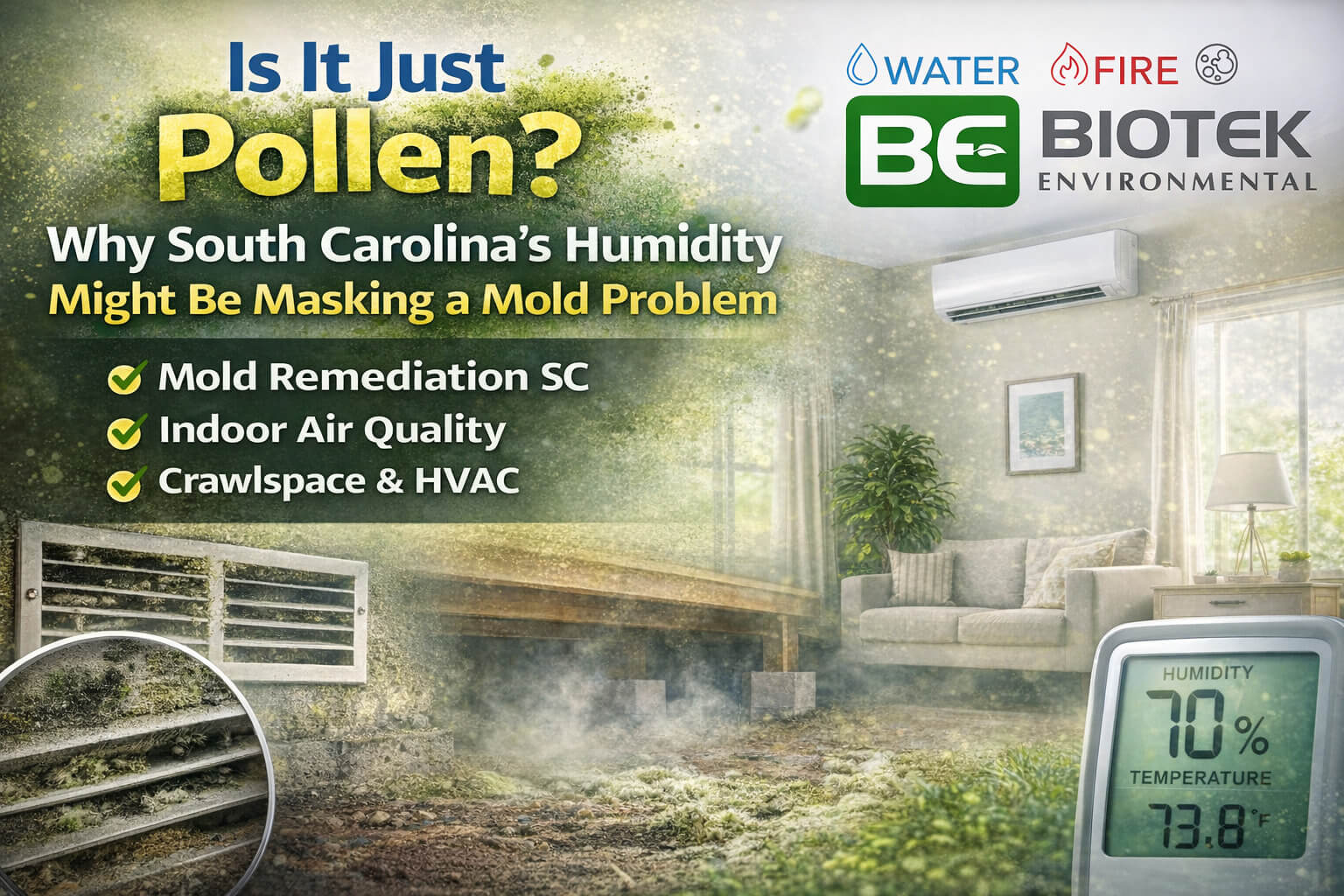
Purchase a hygrometer (humidity meter) to track humidity levels in your home. This will help you know when to increase dehumidification or ventilation.
Improve Ventilation Throughout Your Home
Beyond exhaust fans, general home ventilation is crucial for mold prevention. Stale, moist air needs to be replaced with drier, fresh air.
Open Windows Strategically
On dry, less humid spring days, open windows to allow fresh air to circulate. Be mindful of pollen counts if allergies are a concern and close windows when humidity rises or rain is expected.
Ensure Cross-Ventilation
When opening windows, create cross-ventilation by opening windows on opposite sides of the house to encourage airflow throughout.
Consider Whole-House Ventilation Systems
For homes with chronic humidity issues, consider installing a whole-house ventilation system. These systems bring fresh air into the house and exhaust stale, moist air, providing continuous humidity control.
Promptly Address Leaks and Spills – Time is of the Essence
Quick action on leaks and spills can prevent mold from taking hold.
- Fix Leaks Immediately: Repair any plumbing leaks, roof leaks, or foundation cracks as soon as you discover them. Don’t delay repairs.
- Dry Wet Areas Thoroughly: If spills occur, or areas get wet from rain or flooding, dry them completely within 24-48 hours. Use fans, dehumidifiers, and absorbent materials to speed up drying.
- Check for Hidden Leaks: Regularly inspect under sinks, around toilets, and appliances for signs of leaks. Look for water stains, musty odors, or dampness.
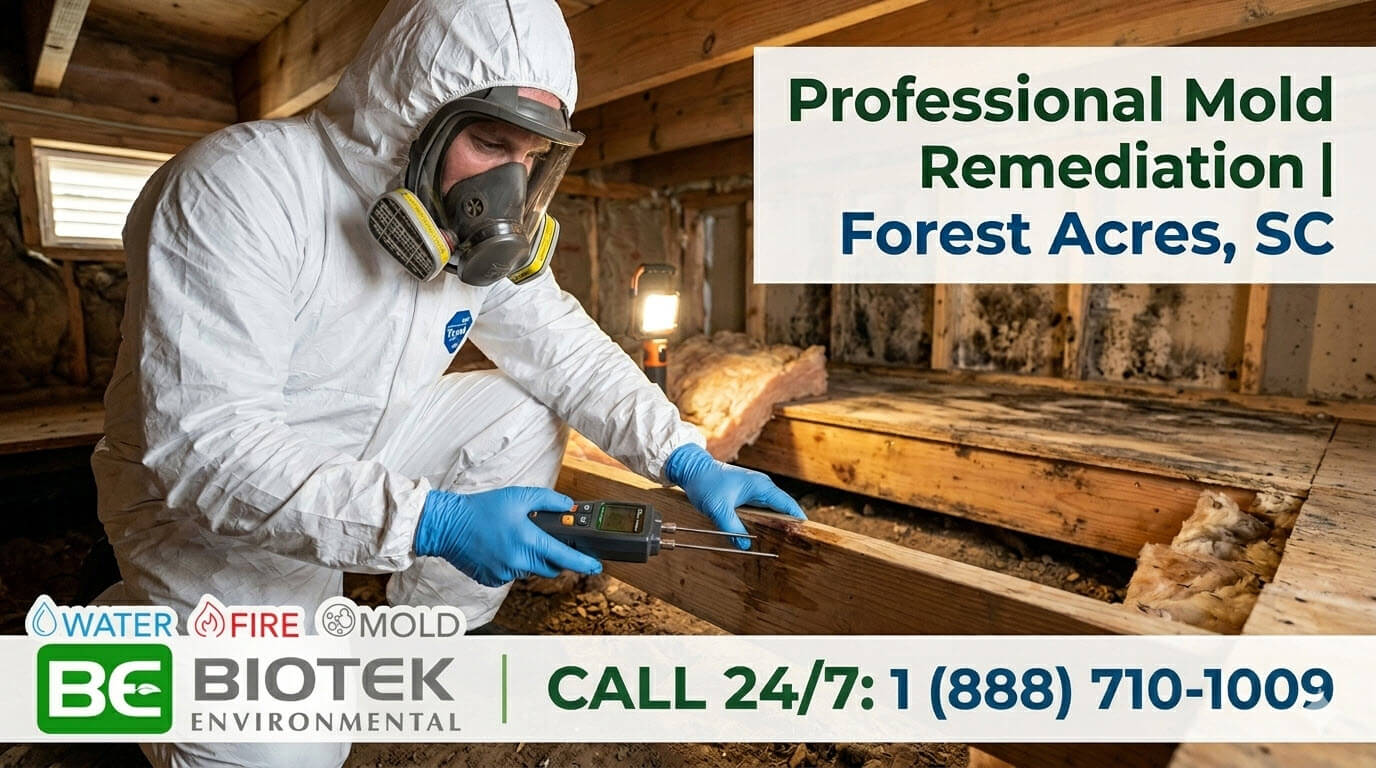
- Consider Moisture Meters: For areas prone to dampness, use a moisture meter to check the moisture content of building materials like drywall and wood.
Maintain Cleanliness – Deny Mold a Food Source
Regular cleaning reduces the organic matter that mold can feed on.
- Regular Cleaning Schedule: Establish a consistent cleaning schedule, especially for bathrooms, kitchens, and other mold-prone areas.
- Use Mold-Inhibiting Cleaners: In bathrooms and kitchens, use cleaning products that contain mold inhibitors or disinfectants to kill mold spores and prevent regrowth.
- Clean Carpets and Rugs Regularly: Carpets and rugs can trap moisture and organic debris. Vacuum frequently and consider professional cleaning, especially in damp areas.
- Reduce Clutter: Clutter can trap moisture and limit airflow. Reduce clutter, especially in basements, crawl spaces, and storage areas.
Ensure Proper Airflow in Storage Areas
Storage areas, particularly basements and closets, are often poorly ventilated. To increase airflow you should elevate boxes and stored items off basement floors and crawl space floors using pallets or shelves to improve airflow and prevent moisture wicking. You could also avoid storing items in airtight plastic bins in damp areas, instead opt for breathable containers or leave lids slightly ajar to allow air circulation. In addition, you should try to improve closet ventilation by not overcrowding your clothes. It’s a good idea to ensure some space for air to circulate and consider using closet dehumidifiers in particularly damp closets.
Regularly Inspect and Maintain HVAC Systems
Your heating, ventilation, and air conditioning (HVAC) system can be both a source of mold problems and a tool for mold prevention.
- Change Air Filters Regularly: Change HVAC air filters every 1-3 months, or as recommended by the manufacturer. Dirty filters can harbor mold spores and reduce airflow.
- Annual HVAC System Inspection and Cleaning: Schedule annual professional inspections and cleaning of your HVAC system. This includes cleaning coils, drip pans, and ductwork to remove mold and prevent its spread.
- Ensure Proper Drainage of Condensate Lines: Air conditioning systems produce condensate (water). Ensure the condensate drain lines are clear and draining properly. Clogged lines can lead to water backup and mold growth.
- Consider UV Lights in HVAC Systems: For enhanced mold control, consider installing UV lights in your HVAC system. UV light can kill mold spores as they pass through the system, improving indoor air quality and reducing mold growth.
Dealing with Existing Mold (For Small Areas)
If you discover a small amount of mold (less than 10 square feet) and you are comfortable doing so, you can often clean it yourself. However, for larger mold problems or if you have health concerns, it’s always best to consult with a professional mold remediation company like Biotek Environmental Inc.
If you decide to tackle small mold areas yourself, always prioritize safety:
Safety First: Protect Yourself
- Wear Personal Protective Equipment (PPE): At a minimum, wear gloves, a N-95 respirator mask (to prevent inhaling mold spores), and eye protection (goggles) when cleaning mold.
- Ventilate the Area: Open windows and use fans to ventilate the area while you are cleaning to help disperse mold spores.
- Isolate the Area: If possible, seal off the moldy area from the rest of the house to prevent spores from spreading during cleaning. Use plastic sheeting and tape.
Cleaning Methods for Small Mold Areas
Non-Porous Surfaces (Tile, Glass, Metal)
Clean mold from non-porous surfaces with soap and water or a commercial mold cleaner. You can also use a solution of bleach and water (mix no more than 1 cup of household bleach in 1 gallon of water). Never mix bleach with ammonia or other cleaners, as this can create dangerous fumes. Rinse thoroughly and dry the surface completely.
Porous Surfaces (Drywall, Wood, Fabric)
Cleaning mold from porous surfaces is more challenging. For drywall or wood, you may be able to clean light surface mold with a stiff brush and a damp cloth, followed by thorough drying. For heavily moldy porous materials, removal and replacement are often necessary. Fabrics and textiles that are moldy may be difficult to fully clean and may also need to be discarded.
Use a Mild Detergent
For most cleaning, a mild detergent or dish soap in water is effective. There are also specialized mold cleaning products available at home improvement stores.
Dry Thoroughly After Cleaning
After cleaning, it’s crucial to dry the area completely and quickly to prevent mold from returning. Use fans and dehumidifiers to speed up drying.
Proper Disposal of Moldy Materials
When discarding moldy materials, seal them in plastic bags before taking them through the house to prevent spreading spores. Please, also follow local guidelines for disposing of moldy materials.
When to Call the Professionals (Like BioTek Environmental Inc.)
While small mold problems can sometimes be handled DIY, there are many situations where professional help is essential. Calling a certified mold remediation company like BioTek Environmental Inc. is the best course of action in these scenarios:
- Large Mold Growth (Over 10 Square Feet): Large mold infestations are complex to address and often indicate underlying moisture problems that need professional assessment.
- Health Concerns: If anyone in your home has allergies, asthma, or other respiratory conditions, or if you experience health symptoms that you suspect are related to mold exposure (like persistent coughing, sneezing, or skin irritation), professional mold remediation is vital.
- Hidden Mold: If you suspect mold is growing in hidden areas, such as inside walls, ceilings, or ductwork, professional mold inspection and remediation are necessary.
- Recurring Mold Problems: If you’ve cleaned mold yourself and it keeps coming back, it signals an underlying moisture issue that needs professional diagnosis and repair.
- Water Damage Situations: After significant water damage events like flooding or major leaks, professional mold remediation is highly recommended to ensure thorough drying and prevent extensive mold growth.
Frequently Asked Questions About Mold Growth and Prevention
Q1: Is all mold dangerous?
A: Not all molds are toxic, but any mold growth in your home can be problematic. Molds can be allergenic, irritating, and some types are toxigenic (producing mycotoxins that can be harmful). It’s best to remove any mold you find and prevent future growth.
Q2: How can I tell if I have mold in my house?
A: Signs of mold include visible mold growth (which can be many colors like black, green, white, or orange), a musty or earthy odor, persistent allergy symptoms, or visible water damage.
Q3: Can I completely prevent mold?
A: It’s very difficult to completely eliminate mold spores as they are naturally present everywhere. However, you can help prevent mold growth by controlling moisture, which is the key factor mold needs to thrive. You can also have a professional mold remediation contractor protect your home or business with biostatic coating.
Contact BioTek Environmental Inc. for Expert Water Mold Removal Solutions
Spring mold growth in South Carolina is a real concern, but it’s also a problem that can be effectively managed and prevented. By understanding the conditions that encourage mold, taking proactive prevention steps, and acting quickly if mold does appear, you can protect your home and health.
If you experience water damage this spring, or suspect you have a mold problem that is beyond your comfort level to handle, don’t hesitate to contact BioTek Environmental Inc.
Why Choose BioTek Environmental Inc.?
BioTek Environmental, Inc. is your trusted partner for mold remediation in South Carolina. We offer:
- Experienced Professionals: Our team of certified professionals has years of experience in mold inspection, removal, and remediation.
- Clean, Green Restoration Methods: We use EPA-registered and environmentally safe chemistries to help you reclaim your property safely.
- Comprehensive Warranties: We offer the best and most comprehensive warranties in the industry.
- 24/7/365 Emergency Service: We are available 24/7 to respond to your mold emergencies.
Since 2007, BioTek Environmental Inc. has been a leading provider of mold remediation services in Columbia, Greenville, Spartanburg, SC, as well as Charlotte, NC and Augusta, GA, and everywhere in between with all their water damage restoration and mold remediation needs.