
BioTek Environmental is nominated for Best of South Carolina 2026 — three years running! Cast your vote and help us win Best Restoration Contractor.
Continue reading
BioTek Environmental is nominated for Best of South Carolina 2026 — three years running! Cast your vote and help us win Best Restoration Contractor.
Continue reading
Learn how to handle insurance claims after mold or water damage. Expert tips on documentation, coverage, adjusters & working with professionals.
Continue reading
Living in the beautiful Palmetto State comes with undeniable perks – stunning coastlines, mild winters, and lush landscapes. However, South Carolina’s warm, humid climate creates the perfect breeding ground for an unwelcome guest: mold. For homeowners across Columbia, Greenville, Spartanburg and beyond, the constant battle against moisture-related mold growth can feel overwhelming, especially when mold hides in places you’d never think to look.

The reality is sobering: humidity levels above 60% significantly accelerate mold growth, and in South Carolina, high humidity levels are common during the summer months, often exceeding this threshold. What makes this particularly challenging for homeowners is that mold doesn’t always announce its presence with visible growth or musty odors. Hidden mold can silently colonize behind walls, under flooring, in attics, and within HVAC systems, potentially compromising your family’s health and your property’s structural integrity before you even realize there’s a problem.
BioTek Environmental Inc. has created this comprehensive guide to address the unique mold prevention challenges faced by South Carolina homeowners, offering climate-specific strategies that work in our subtropical environment. From understanding seasonal moisture patterns to implementing cost-effective prevention measures, we’ll equip you with the knowledge needed to protect your home year-round.
One of the most frustrating aspects of mold prevention in South Carolina is dealing with mold that grows out of sight. Unlike visible surface mold that appears on bathroom walls or window sills, hidden mold poses a more insidious threat. It thrives in the dark, damp spaces within your home’s structure, often going undetected for months or even years.
Hidden mold commonly develops in several key areas of South Carolina homes. Crawl spaces, particularly prevalent in our region, provide ideal conditions with poor ventilation and ground moisture. Wall cavities behind drywall can harbor mold when moisture from leaks or condensation becomes trapped. Attics, despite appearing dry, can experience significant moisture buildup from temperature differentials and inadequate ventilation. HVAC ductwork, especially in humid climates, can accumulate moisture and become a distribution system for mold spores throughout your home.

The health implications of hidden mold exposure are particularly concerning. Family members may experience persistent respiratory issues, unexplained fatigue, or worsening allergies without connecting these symptoms to mold exposure. The gradual nature of hidden mold problems means that by the time symptoms become noticeable, the contamination may be extensive.
Property damage from hidden mold can be devastating. Structural wood components can weaken, insulation can become saturated and ineffective, and entire sections of drywall may require replacement. The financial impact extends beyond remediation costs to include potential decreases in property value and challenges with home insurance claims.

The Palmetto State’s climate is a primary factor contributing to its high mold potential, with warm temperatures coupled with consistently high humidity levels throughout much of the year providing the perfect conditions for mold spores to thrive and multiply. South Carolina experiences a humid subtropical climate characterized by long, hot summers and mild winters, creating year-round conditions favorable to mold growth.

The coastal influence significantly impacts inland areas, with coastal areas like Charleston, Myrtle Beach, and even inland cities like Columbia and Greenville experiencing significant humidity spikes, particularly in spring. This consistent moisture in the air means that mold spores, which are naturally present in all outdoor environments, find ample opportunity to germinate and establish colonies when they encounter suitable surfaces indoors.
Temperature fluctuations throughout the day and across seasons create additional challenges. When warm, humid air contacts cooler surfaces such as air-conditioned interior walls or cold water pipes condensation occurs. This condensation provides the moisture necessary for mold growth on surfaces that might otherwise remain dry.
In Myrtle Beach and similar coastal areas, lower dew points occur in the winter and higher, “muggier” days make up most of the weeks from May through October. This extended period of high humidity means that mold prevention measures must be maintained consistently for the majority of the year, unlike climates with distinct dry seasons.
The combination of these factors creates what experts call “mold season,” which in South Carolina essentially extends from spring through fall. During this time, outdoor humidity levels regularly exceed the 60% threshold that accelerates mold growth, making indoor humidity control critical for mold prevention.
Understanding where moisture problems typically originate in South Carolina homes is essential for effective mold prevention. Common culprits for moisture issues in South Carolina properties that contribute to mold growth include high indoor humidity due to climate or lack of proper ventilation, leaky roofs, pipes, or foundations that allow water intrusion, and flooding events which quickly saturate building materials.
Bathroom moisture represents one of the most persistent challenges. Poor ventilation combined with regular steam from hot showers creates chronically humid conditions. Without proper exhaust fans or adequate air circulation, moisture accumulates on surfaces and within wall cavities, particularly around tubs, showers, and toilet areas.
Kitchen moisture sources include cooking steam, dishwasher operation, and potential plumbing leaks under sinks. The combination of heat and moisture from cooking activities, especially during South Carolina’s already humid months, can overwhelm a home’s natural drying capacity.

Basement and crawl space moisture problems are particularly common in South Carolina due to the region’s high groundwater levels and periodic flooding. Poor drainage around foundations, inadequate vapor barriers, and insufficient ventilation create ideal conditions for mold growth in these below-grade spaces.
HVAC systems present unique moisture challenges in South Carolina’s climate. Air conditioning units working hard to combat high humidity can develop condensation problems, while ductwork installed in unconditioned spaces can accumulate moisture on exterior surfaces. Poorly maintained HVAC systems can actually distribute mold spores throughout the home while simultaneously creating moisture problems.
Roof leaks, whether from storm damage, aging materials, or poor installation, introduce water into attic spaces and wall cavities. In South Carolina’s frequent thunderstorm environment, even minor roof defects can lead to significant moisture intrusion over time.

Effective humidity control forms the foundation of mold prevention in South Carolina homes. The goal is maintaining indoor relative humidity between 30% and 50%, which creates an environment hostile to mold growth while remaining comfortable for occupants.
Mechanical dehumidification serves as the primary line of defense against excessive indoor humidity. Whole-house dehumidifiers integrated with HVAC systems provide consistent humidity control throughout the home, automatically adjusting operation based on current conditions. For targeted moisture control, portable dehumidifiers can address specific problem areas like basements or bedrooms.
Air conditioning systems play a dual role in humidity management by cooling air and removing moisture. However, proper sizing and maintenance are crucial—oversized units may cool spaces quickly without adequate moisture removal, while undersized systems may run continuously without achieving proper dehumidification. Regular filter changes, coil cleaning, and drain line maintenance ensure optimal performance.
Natural ventilation, when humidity conditions permit, can help reduce indoor moisture levels. Strategic window placement and exhaust fans in bathrooms and kitchens remove moisture-laden air at its source. However, in South Carolina’s humid climate, natural ventilation alone is rarely sufficient during summer months.

Moisture monitoring provides valuable data for humidity management decisions. Digital hygrometers placed in different areas of the home help identify problem zones and track the effectiveness of humidity control measures. Smart home humidity monitors can provide real-time alerts when conditions become favorable for mold growth.
South Carolina’s year-round mold threats require homeowners to adapt their prevention strategies as weather patterns shift from humid springs to storm-heavy summers and temperature-fluctuating winters. Understanding how each season presents unique moisture challenges allows you to stay one step ahead of mold growth by implementing targeted prevention measures when they’re most effective.
Spring presents unique challenges as warm air holds more moisture, and coastal areas experience significant humidity spikes during this season. During spring months, focus on preparing HVAC systems for increased use, cleaning gutters and drainage systems to handle spring rains, and conducting thorough inspections of areas that may have developed moisture problems during winter.
Summer demands the most intensive mold prevention efforts due to peak humidity levels and frequent thunderstorms. Air conditioning systems work hardest during these months, requiring more frequent filter changes and maintenance. Storm preparation becomes critical, including securing loose roofing materials, clearing drainage systems, and ensuring backup power availability for dehumidification systems.
Fall maintenance focuses on preparing for winter moisture challenges while addressing any summer damage. Heating system preparation, weatherization projects, and final exterior maintenance tasks help prevent winter moisture intrusion. This season also provides an opportunity to conduct comprehensive mold inspections before spaces become less accessible during colder months.
Winter, while milder in South Carolina than northern climates, still presents moisture challenges from temperature differentials and reduced ventilation. Heating systems can create condensation problems, while sealed homes trap moisture from daily activities. Maintaining proper ventilation while conserving energy requires balanced mechanical ventilation approaches.
Proper ventilation removes moisture-laden air and introduces fresh, drier air from outside (when conditions permit). In South Carolina homes, mechanical ventilation systems often prove necessary due to the extended periods when outdoor air contains more moisture than desired for indoor conditions.
Bathroom ventilation requires exhaust fans rated appropriately for room size and capable of handling the moisture loads from hot showers. Fans should operate during and after shower use until humidity levels return to normal. In larger bathrooms or those with multiple moisture sources, multiple fans or more powerful units may be necessary.
Kitchen exhaust systems remove moisture from cooking activities while also eliminating odors and airborne particles. Range hoods should vent to the exterior rather than recirculating air back into the kitchen, and proper duct sizing ensures adequate airflow.
Whole-house ventilation systems, including energy recovery ventilators (ERVs) and heat recovery ventilators (HRVs), provide controlled air exchange while minimizing energy losses. ERVs are particularly beneficial in South Carolina’s climate as they transfer both temperature and humidity between incoming and outgoing air streams.
Attic ventilation prevents moisture buildup in these critical spaces through proper inlet and exhaust vent placement. Ridge vents combined with soffit vents create natural air movement, while powered exhaust fans can supplement natural ventilation during peak moisture conditions.
Creating physical barriers against water intrusion forms a critical line of defense in South Carolina’s moisture-rich environment, where ground water levels and frequent precipitation constantly challenge your home’s defenses. Proper waterproofing and moisture barriers work as silent guardians, preventing water from reaching surfaces where mold can establish and thrive before you even realize moisture has entered your home.
Foundation waterproofing addresses one of the most common moisture sources in South Carolina homes, where high groundwater levels and frequent precipitation challenge below-grade spaces.
Exterior waterproofing includes proper grading to direct water away from foundations, installation of French drains where necessary, and application of waterproof coatings or membranes to foundation walls. Interior approaches include basement waterproofing systems with sump pumps and interior drainage.
Crawl space encapsulation creates a moisture barrier between the ground and the home’s structure. Heavy-duty vapor barriers cover crawl space floors and walls, while proper sealing and conditioning of the space prevent moisture intrusion and mold growth.
Roof and wall barriers prevent water intrusion from exterior sources. Proper flashing around windows, doors, and roof penetrations, along with weather-resistant barriers behind siding materials, create multiple layers of protection against moisture intrusion.
Window and door sealing addresses common penetration points for both air and moisture. Quality caulking, weatherstripping, and properly installed windows and doors prevent moisture infiltration while improving energy efficiency.
Heating, ventilation, and air conditioning systems play crucial roles in mold prevention but can also become sources of mold problems when poorly maintained. Regular maintenance ensures these systems remove moisture rather than distribute mold spores throughout the home.
Filter replacement represents the most basic yet critical maintenance task. Dirty filters reduce airflow, decrease system efficiency, and can harbor mold growth themselves. In South Carolina’s dusty and humid environment, filters may require changing more frequently than manufacturer recommendations suggest.
Coil cleaning removes accumulated debris and biological growth from evaporator and condenser coils. Dirty coils reduce heat transfer efficiency and create surfaces for mold growth, while clean coils operate more efficiently and resist biological contamination.
Drain line maintenance prevents condensate backups that can cause water damage and create ideal mold growing conditions. Regular cleaning and the use of algaecide treatments keep drain lines flowing freely and prevent biological growth within the drainage system.
Ductwork inspection and cleaning address hidden areas where mold can grow and spread throughout the home. Professional duct cleaning removes accumulated debris and biological growth while allowing for inspection of ductwork integrity and proper insulation.

For new construction or after a remediation project, consider professional-grade preventative measures. Biostatic antimicrobial coatings are an advanced, EPA-registered solution that can be applied to surfaces like wood, concrete, and brick. This coating forms a permanent bond that inhibits the growth of bacteria, fungi, and mold, providing long-term protection against future infestations. It’s a non-toxic, environmentally safe way to protect your investment.
Many effective mold prevention strategies can be implemented by homeowners without professional assistance, providing significant protection at reasonable cost. These approaches focus on moisture control, early detection, and maintaining conditions unfavorable to mold growth.
Moisture monitoring using inexpensive digital hygrometers helps identify problem areas and track the effectiveness of prevention efforts. Placement in basements, bathrooms, bedrooms, and other vulnerable areas provides early warning of developing moisture problems.
Improved cleaning protocols using mold-inhibiting products help prevent surface mold growth while removing the organic materials that feed mold colonies. Regular cleaning of bathrooms, kitchens, and other high-moisture areas with appropriate products creates hostile environments for mold growth.
Air circulation enhancement through strategic fan placement and operation helps remove moisture and prevent stagnant air conditions. Ceiling fans, portable fans, and window fans can significantly improve air movement when used thoughtfully.
Simple repairs and maintenance tasks, including caulk replacement, minor plumbing repairs, and weatherization improvements, address moisture intrusion points before they become major problems. Regular inspection and prompt attention to minor issues prevent small problems from becoming costly mold remediation projects.
Housekeeping practices that reduce moisture sources include proper ventilation during cooking and showering, prompt cleanup of spills and leaks, and maintaining indoor plants appropriately to avoid overwatering and excess soil moisture.
While many mold prevention strategies can be handled by homeowners, certain situations require professional intervention to ensure safe and effective remediation. If there has been a lot of water damage, and/or mold growth covers more than 10 square feet, the EPA recommends consulting professional remediation guidelines typically used for schools and commercial buildings.
The 10-square-foot threshold represents the point where mold contamination requires specialized handling procedures, containment measures, and professional-grade equipment. Attempting to remediate large mold problems without proper training, equipment, and protocols can actually spread contamination to previously unaffected areas of the home.
Professional assessment becomes critical when mold problems involve HVAC systems, as improper remediation can distribute spores throughout the entire home. Hidden mold in wall cavities, structural areas, or crawl spaces also typically requires professional expertise to locate, assess, and properly remediate without causing additional damage.
Health concerns, particularly for family members with respiratory conditions, compromised immune systems, or mold allergies, warrant professional evaluation and remediation. Professional remediators understand the health implications of different mold species and can implement appropriate safety measures during the remediation process.

Insurance considerations often favor professional remediation, as many policies require professional assessment and documentation for coverage of mold-related claims. Professional remediators provide the documentation and certification often necessary for insurance claim approval.
When professional mold remediation becomes necessary, choosing an experienced, certified company ensures safe and effective resolution of mold problems. BioTek Environmental Inc. brings specialized expertise in South Carolina’s unique mold challenges, combining advanced technical knowledge with deep understanding of our regional climate conditions. We have been proudly serving South Carolina, North Carolina, and Georgia since 2007, building a reputation for excellence and customer satisfaction.
Voted “Best of South Carolina” for two consecutive years (2024 and 2025), this recognition is driven by the votes of real South Carolinians who have experienced our services firsthand.

Our technicians are highly trained and certified, with years of experience in mold remediation and water damage restoration. We use cutting-edge technology like thermal imaging to find hidden moisture sources without unnecessary demolition.
We utilize an Oxidative mold remediation process, which is an environmentally safe and highly effective method that penetrates porous surfaces to eliminate mold at its source. This process uses EPA-registered, non-toxic chemistries, ensuring the safety of your family and home.

We offer a full range of services, from mold inspection and testing to complete remediation, water damage restoration, and preventative solutions like biostatic coatings.
Your protection is our priority. We offer the best and most comprehensive warranties in the industry, giving you peace of mind long after the job is done.
In South Carolina’s warm, humid conditions, mold can begin growing within 24-48 hours when moisture levels exceed 60% relative humidity. Visible growth typically appears within several days to a week under favorable conditions.
Indoor humidity should be maintained between 30-50% relative humidity year-round. During summer months, this often requires mechanical dehumidification due to outdoor humidity levels regularly exceeding 60%.
While bleach can kill surface mold on non-porous surfaces, it’s not effective on porous materials like wood or drywall. Additionally, bleach doesn’t address the root moisture problem, and mold will typically return if underlying conditions aren’t corrected.
HVAC systems should be professionally inspected annually, with more frequent attention to filter changes (monthly during peak use) and drain line cleaning (quarterly). In South Carolina’s humid climate, systems work harder and may require more frequent maintenance.
Mold exposure can cause respiratory irritation, allergic reactions, asthma exacerbation, and other health issues. Individuals with compromised immune systems, existing respiratory conditions, or mold allergies face higher risks and should seek professional remediation for any significant mold problems.
Coverage varies by policy and cause of mold growth. Mold resulting from sudden, accidental water damage is often covered, while mold from ongoing maintenance issues may not be. Professional documentation of the mold problem and its cause is typically required for claims.
Signs of hidden mold include persistent musty odors, unexplained respiratory symptoms, visible water damage or staining, and elevated humidity levels in specific areas. Professional inspection with specialized equipment may be necessary to locate hidden mold.
For small areas (less than 10 square feet), you may address surface mold with appropriate cleaning products while identifying and correcting the moisture source. For larger areas or mold in HVAC systems, contact professional remediators immediately and avoid disturbing the contamination.
Mold can return if the underlying moisture problem isn’t corrected or if new moisture intrusion occurs. Successful long-term mold prevention requires ongoing humidity control, proper ventilation, and prompt attention to moisture problems.
Mold removal implies complete elimination, which isn’t realistic since mold spores are naturally present everywhere. Mold remediation focuses on removing contaminated materials, cleaning affected surfaces, and correcting conditions to prevent regrowth, returning mold levels to normal background concentrations.
Don’t let South Carolina’s humid climate compromise your family’s health and your property’s value. Mold problems only worsen with time, and the cost of prevention is always less than the cost of remediation. Start implementing these climate-specific prevention strategies immediately, and remember that professional help is just a phone call away when you need it.

If you suspect mold growth covering more than 10 square feet, have discovered mold in your HVAC system, or are experiencing persistent moisture problems despite your best prevention efforts, contact BioTek Environmental Inc. today. Our certified professionals provide comprehensive assessment, safe remediation, and ongoing prevention guidance tailored specifically to South Carolina’s unique climate challenges.
Contact BioTek Environmental Inc. now for your consultation and mold inspection and take the first step toward a healthier, mold-free home. Call us toll-free at 888-710-1009 anytime, 24/7, or contact us online to schedule an assessment. Your family’s health and your property’s integrity are too important to leave to chance.

BioTek Environmental wins Best of South Carolina 2025 & 2024! Award-winning mold remediation & water damage restoration.
Continue readingGet ready to make your voice heard, South Carolina! BioTek Environmental Inc., a trusted name in mold remediation and water damage restoration, has once again been recognized for our dedication and expertise, receiving a nomination for the Best Of South Carolina 2025 award in the Restoration Contractors category.
The Best of South Carolina awards represent a yearly compilation of the highest quality offerings in products and services throughout the state. Throughout the year, individuals who read The Guide to South Carolina have the opportunity to vote for their favorite entities in the annual awards. These votes are then carefully tabulated and combined with selections made by the editors, resulting in a valuable resource that highlights exceptional businesses across South Carolina.
This comprehensive guide covers a wide array of industries, from seafood and coastal areas to healthcare and home maintenance, showcasing organizations worthy of recognition. Importantly, the public can actively engage by submitting nominations for businesses and casting their votes.
Voting is currently active and continues until May 31, 2025, at 11:59 PM. This is your chance to support a company that prides itself on its unmatched expertise, commitment to customer satisfaction, comprehensive services, and unwavering focus on safety and health.
The selection process for Best of South Carolina winners is primarily based on these public votes. However, to ensure fairness and integrity, the Guide to South Carolina editorial and compliance team reviews the votes and verifies that winning businesses are in good standing with broad consumer reports and trade-specific organizations where applicable.

For our entire team at BioTek Environmental, this nomination is a “huge honor” and “reflects the dedication and expertise our team brings to every mold remediation and water damage restoration project we undertake.”
For BioTek Environmental, our nomination underscores our dedication to providing consistent delivery of high-quality work in the critical areas of mold remediation and water damage restoration. This recognition places us among an elite group of restoration contractors in South Carolina due to our team’s commitment to utilizing the latest, safest and most eco-friendly techniques and technology to address even the most challenging situations.
Why should you consider casting your vote for BioTek Environmental? We believe our dedication to several key principles sets them apart:
BioTek’s team has advanced skills and certifications in addressing mold and water damage. At BioTek Environmental, we are committed to staying informed about the latest industry knowledge and using up-to-date technology to ensure effective and safe project completion.
At BioTek Environmental, we are dedicated to meeting our clients’ needs. We aim to maintain clear and open lines of communication and focus on our client’s experience throughout the entire restoration process, from the initial assessment to the final cleanup.
From minor leaks to extensive flood damage, BioTek Environmental offers a full suite of restoration services, including professional mold testing, mold remediation, air quality analysis, sanitization, and deodorization services.
With a deep understanding of the health risks associated with mold, we adhere to the strictest industry standards and regulations, employing eco-friendly practices and ensuring the safety of our team, our clients and the environment.

Don’t miss the opportunity to support a South Carolina business dedicated to excellence. You can cast your vote for BioTek Environmental in the Restoration Contractors category by visiting the Best Of South Carolina website (https://guidetosouthcarolina.com/columbia/ga-contractors/biotek-environmental-inc).
It only takes a few minutes, and your vote will go a long way in helping us secure this prestigious award. Your vote can help us secure this prestigious award, which would be a tremendous honor and a testament to our commitment to the community.
Remember, voters can cast a vote one time each day for each company they wish to vote for. According to The Guide to South Carolina “…repeat customers and ongoing support are traits of the best, so vote often!”
Remember, voting remains open 24/7/365 until May 31st at 11:59 PM. Show your support for BioTek Environmental and help recognize our team’s hard work and dedication! The 2025 results will be posted online on June 26, 2025. The print annual will be released in July 2025. Stay tuned to see who the Best of South Carolina will be!
We would like to convey our gratitude for the ongoing support we have received and express our commitment to maintaining a high standard in our mold remediation and water damage restoration services throughout South Carolina.
Together, let’s make BioTek Environmental Inc. the Best Restoration Contractor in South Carolina!

Debunking common myths about frozen water pipes, providing expert advice on prevention, and highlighting BioTek Environmental Inc.’s water damage restoration services.
Continue reading
Learn about the costs of frozen water pipe damage, including repair and remediation expenses. Also, get tips on how to prevent costly issues.
Continue reading
As a leading local water damage restoration company, BioTek Environmental Inc. has witnessed countless homeowners fall prey to the deceitful tactics of storm chasers, particularly following significant weather events like Helene and Debby. These opportunistic individuals capitalize on the vulnerability of home and business owners seeking to repair their properties as quickly as possible. They tend to employ high-pressure tactics and make empty promises. Unfortunately, water damage restoration storm chasers ultimately leave their “clients” with substandard work and inflated bills.
Imagine this: a fierce storm has just swept through your town, causing widespread destruction. Your home is damaged, and you’re in dire need of swift repairs. Suddenly, someone appears at your doorstep, offering what seems like an incredibly good deal on water damage restoration. They may even claim to have been sent by your insurance company. Beware, this is a classic ploy used by storm chasers.

There have been numerous incidents after devastating storms or hurricanes where families, overwhelmed by the extent of the damage to their homes, hastily signed contracts with water damage restoration storm chasers without bothering to verify their credentials. The chasers carried out a rushed and superficial job, pocketing the insurance payout and vanishing into thin air. When concealed mold issues emerged months later, the families were confronted with far more serious and costly problems.
Water damage restoration storm chasers are transient contractors who travel to regions affected by storms, seeking to exploit homeowners in need. They are often from out of state, lacking the necessary licenses and insurance to operate legally in your area. These companies prioritize profit over quality, resorting to shortcuts, using subpar materials, and disappearing before the job is truly finished.
To shield yourself from falling victim to a storm chaser scam, it’s crucial to recognize the warning signs:

● Unsolicited Door-to-Door Visits: Reputable contractors rarely engage in door-to-door solicitation.
● Out-of-State Indicators: Be wary of vehicles with out-of-state license plates, phone numbers with unfamiliar area codes, and individuals lacking local addresses.
● High-Pressure Sales Tactics: Water damage restoration storm chasers often employ aggressive tactics, attempting to coerce you into signing a contract immediately without allowing sufficient time for consideration or obtaining alternative estimates.
● Unrealistic Offers: If a price seems too good to be true, it likely is. Be suspicious of unusually low bids, as they may indicate shortcuts, the use of inferior materials, or the intention to surprise you with hidden fees later on.
● Demands for Upfront Cash Payments: A reputable contractor will not demand full payment before commencing the work. Exercise caution and never pay for the entire job upfront. A reasonable deposit is customary, with the remaining balance due upon completion of the work.
● Lack of Credibility: Legitimate businesses will have a verifiable track record and online presence. Inquire about references and thoroughly check online reviews on platforms such as Google, Yelp, and Angie’s List. If a company lacks references or an online footprint, it’s a major red flag.
● False Claims of Endorsements: Be skeptical of any claims suggesting endorsements from insurance companies or government agencies like FEMA. Insurance companies do not send contractors to your doorstep, and FEMA does not endorse specific contractors.
Deciding to hire a storm chaser can lead to numerous problems, including:
● Substandard Workmanship: To maximize profits, storm chasers often rush jobs and use inferior materials, resulting in shoddy work.
● Concealed Expenses: The initial low price may be a deceptive tactic to lure you in. Be prepared for the possibility of encountering hidden fees and unexpected costs that inflate the final bill far beyond your initial expectations.

● Insurance Fraud: Storm chasers may try to pressure you into filing a fraudulent insurance claim or even propose covering your deductible, both of which are illegal activities.
● Lack of Accountability: Once the storm chasers have moved on, it becomes virtually impossible to hold them accountable for any issues that arise or to enforce warranties.
A crucial step in avoiding storm chaser scams is meticulously verifying the contractor’s credentials. Always request to see their:
● Contractor’s License: This serves as proof that they are legally authorized to operate in your state.
● Insurance Certificates: Ensure they possess both liability insurance and worker’s compensation insurance. Liability insurance protects you from financial responsibility in case of property damage or injuries caused by the contractor’s negligence. Worker’s compensation insurance covers medical expenses and lost wages for workers injured on the job.
● Manufacturer’s Certification: This demonstrates that the contractor has received proper training and possesses the qualifications to install specific products, ensuring that the installation meets the manufacturer’s standards and specifications.
Don’t simply accept their word at face value. Verify their license number with your state’s contractor licensing board and contact the insurance company directly to confirm the validity and coverage details of their insurance policies.
A common tactic employed by storm chasers is offering free inspections as a way to gain access to your property and initiate a sales pitch. These “inspections” often serve as a platform for exaggerated claims of damage and scare tactics aimed at pressuring you into signing a contract. Remember, you have the right to decline an inspection and select a contractor of your own choosing.
If your home sustains damage in a storm, follow these steps:
Before assessing the damage, ensure the area is safe. If there is standing water or suspected electrical hazards, shut off the power to the affected area and immediately contact a licensed electrician. [From previous responses]
Take detailed photographs and videos of the damage, which will be crucial for supporting your insurance claim.
Promptly report the damage to your insurance company and file a claim. Ask about their specific procedures for handling repairs and seek clarification on any aspects of the process that you find unclear.
Avoid rushing into a decision based solely on the first contractor who approaches you. Gather at least three estimates from reputable local companies to compare pricing, services, and expertise.
For each contractor under consideration, request references from previous clients and take the time to verify their credentials. This step can help you determine the contractor’s reliability, professionalism, and quality of work.
Before signing any documents, carefully review the contract, ensuring you fully understand all the terms and conditions. Pay close attention to payment schedules, warranty information, and the scope of work outlined.
Be extremely wary of any contractor who presents you with a blank contract. Storm chasers sometimes employ this tactic to insert hidden fees or alter the terms of the agreement after you have signed it.
Reputable contractors will not demand full payment before the work begins. A reasonable deposit is standard practice, with the remaining balance due upon satisfactory completion of the project.
Based on my extensive experience, we cannot emphasize enough the paramount importance of electrical safety following water damage. Water and electricity are a hazardous combination, posing a serious risk of electrocution. Always err on the side of caution:
● Never Enter Flooded Areas with Live Power: Do not enter any area with standing water or dampness if the power is still on.
● Treat Electrical Components as Live: Assume that all electrical components, outlets, wiring, and appliances in water-damaged areas are energized until proven otherwise by a qualified electrician.
● Refrain from DIY Electrical Repairs: Unless you are a licensed and experienced electrician, do not attempt to repair or modify any electrical systems or components that have been exposed to water.
Water damage extends beyond structural repairs; it also presents significant health risks that should not be overlooked. Mold can begin to grow within a mere 24 to 48 hours in damp environments, and floodwater often carries harmful contaminants that can pose health threats.
When cleaning up floodwater or handling water-damaged materials, always wear appropriate protective gear, including gloves, masks, and waterproof boots. This helps minimize exposure to contaminants and potential health hazards.
Mold thrives in moisture. Ensure that the affected area is thoroughly dried to prevent mold growth. Use fans, dehumidifiers, and open windows to facilitate drying.
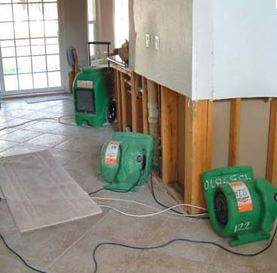
If you detect signs of mold growth, such as a musty odor or visible mold colonies, it’s crucial to contact a qualified mold remediation specialist like BioTek Environmenta Inc. Mold can release spores into the air, posing respiratory and other health problems.
Choosing an unqualified or unreliable contractor can have long-term consequences that extend far beyond the immediate aftermath of the storm:
Improperly executed repairs can create vulnerabilities that allow water to infiltrate your home again in the future, perpetuating the cycle of damage and potentially fostering mold growth.
A poorly repaired roof or foundation can jeopardize the structural integrity of your home, leading to instability, cracks, and costly repairs down the line.

Water damage and visible signs of shoddy repairs can significantly decrease the value of your property, making it less appealing to potential buyers if you decide to sell.
Investing in a reputable contractor with a proven track record may involve a higher initial cost, but it’s a wise investment that can save you from more extensive expenses and headaches in the long run.
While the allure of a large national company may be tempting, local companies often offer distinct advantages that cater to the specific needs of homeowners in your area:
Local water damage restoration contractors like BioTek Environmental are deeply rooted in the community and have a vested interest in maintaining a positive reputation among their neighbors. They rely on word-of-mouth referrals and repeat business, which motivates them to provide excellent service and build lasting relationships with their clients.
Local contractors are well-versed in the specific building codes and regulations that apply to your area. This ensures that any restoration work they perform complies with local requirements, reducing the likelihood of complications during inspections or insurance claims.
Local companies are often smaller in scale, which allows them to provide more personalized attention and be responsive to your individual needs and concerns. They are more likely to take the time to explain the restoration process thoroughly, answer your questions patiently, and address any specific requests or requirements you may have.
Choosing a local company with a proven track record of quality workmanship, excellent customer service, and strong community ties can provide you with peace of mind knowing that your home is in capable hands.
Word-of-mouth referrals and online reviews are invaluable resources when selecting a contractor.
Reach out to friends, family members, neighbors, and colleagues who have had experience with water damage restoration or similar home repairs. They can provide firsthand insights and recommend trustworthy contractors they have personally worked with.
Consult reputable online review websites such as Google, HomeAdvisor and Angie’s List to gain insights into the experiences of other customers who have hired the contractors you are considering. Pay attention to patterns in reviews, both positive and negative, to get a more comprehensive picture of the contractor’s strengths and weaknesses.
Don’t base your decision solely on the contractor’s website or marketing materials, which can be carefully crafted to present a favorable image. Seek unbiased perspectives from real people who have directly experienced the contractor’s work and customer service.
Q: My insurance company has recommended a contractor. Am I obligated to hire them?
While your insurance company may provide a list of preferred vendors, you are under no obligation to use them. You have the right to choose any contractor you feel comfortable with, and it’s always advisable to gather multiple estimates before making a decision.
Q: I suspect a contractor is attempting to scam me. What steps should I take?
If you have reason to believe a contractor is engaging in fraudulent or unethical practices, report them to the appropriate authorities, including your state’s contractor licensing board, the Better Business Bureau, your insurance company, and, if necessary, local law enforcement.
Q: How can I verify if a contractor is properly licensed and insured?
Don’t hesitate to ask for proof of their license and insurance certificates. You can then independently verify this information by contacting the respective agencies. Your state’s contractor licensing board can confirm the validity of a contractor’s license, and you can contact the insurance company directly to validate their insurance coverage details.
Remember, selecting a water damage restoration company is a significant decision that should not be taken lightly. Take your time, conduct thorough research, and don’t be afraid to ask questions to ensure you are making an informed choice. By exercising caution and gathering the necessary information, you can protect yourself from storm chaser scams and guarantee that your home is restored properly.

If you suspect that your home has suffered water damage or mold growth, don’t hesitate to contact Biotek Environmental, Inc. We can provide you with professional water damage restoration services in Columbia, Greenville, and Spartanburg, SC, including Charlotte, NC and Augusta, GA.
We can give you peace of mind, and also save you money on water damage and flood repair. We will work diligently to protect your home and family from the serious health risks of water damage. Call us toll-free at (866) 630-7340 any time of the day or night, 365 days a year, or contact us online now.
We have been providing water damage restoration and emergency water damage repairs since 2007. Our crews handle water damage repair in accordance with proven industry standards. Don’t choose any Remediation or Restoration Company that does not provide a legitimate bumper-to-bumper warranty on all their services! We offer some of the best and most comprehensive 30-Year warranties in the Industry.

Learn how to prevent and manage water damage in commercial buildings with these expert tips from BioTek Environmental, Inc., the best restoration company in Columbia SC.
Continue reading
Discover the key criteria to select the best water damage restoration company in South Carolina. Protect your property with expert advice.
Continue reading