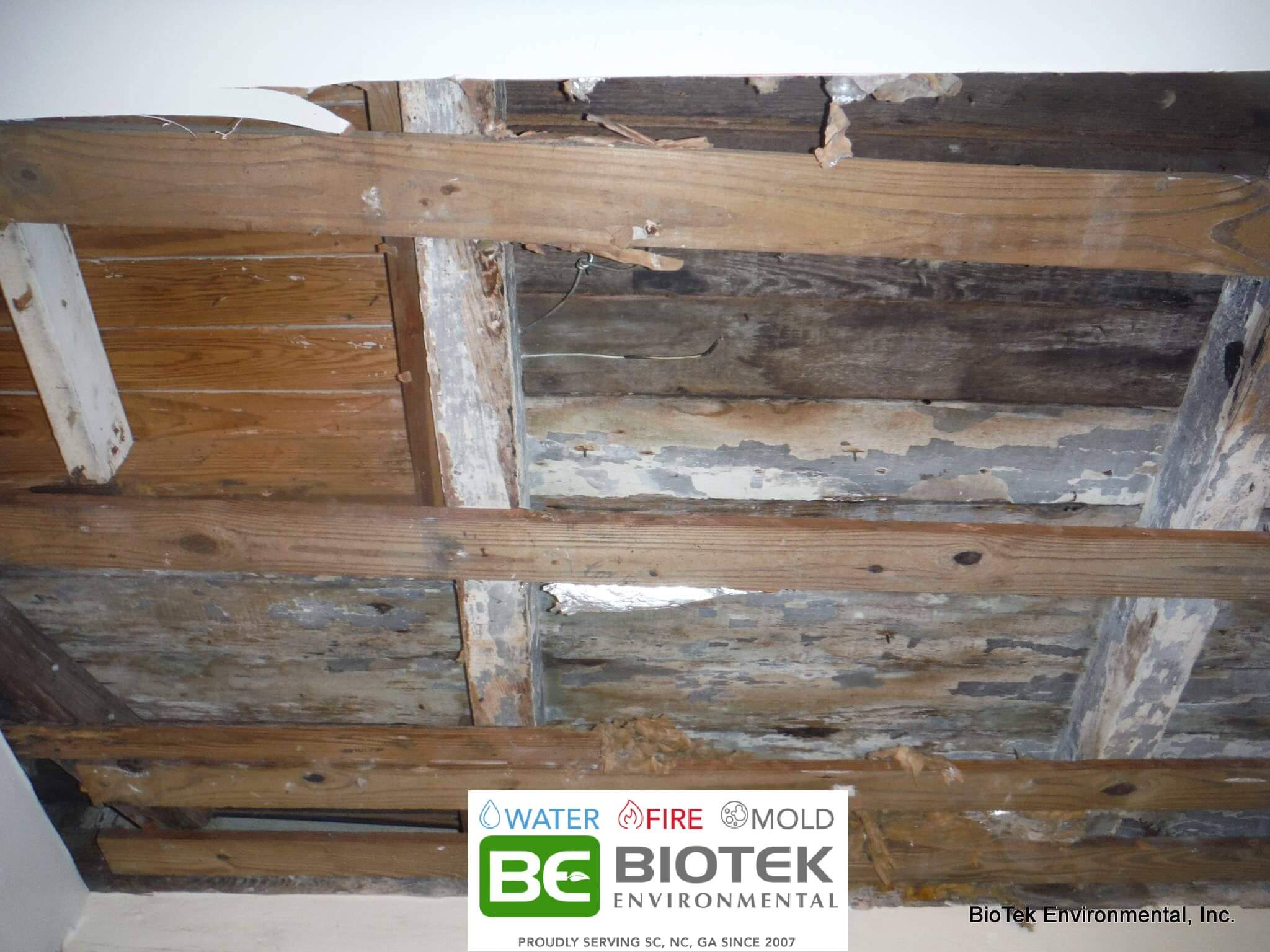

Discovering mold or water damage in your property can trigger an immediate sense of dread. Beyond the visible destruction and health concerns, property owners face another overwhelming challenge: navigating the complex world of insurance claims. The anxiety of potential claim denials, the fear of inadequate coverage, and the stress of proving your case to adjusters can feel almost as devastating as the damage itself. Many home and business owners find themselves caught between urgent remediation needs and insurance companies that seem to speak an entirely different language. Understanding how to effectively communicate with insurers, document damage properly, and partner with the right professionals can transform this nightmare scenario into a manageable process with favorable outcomes.
The Stress of Restoration: Addressing Property Owner Concerns
The period following significant water damage is fraught with worry for property owners. Beyond the inconvenience and physical damage, many individuals experience significant concerns related to the insurance claims process.
Fear of Claim Rejection
The statistics are sobering; insurance companies deny 37% of property damage claims nationwide. Property owners worry that their specific situation won’t meet coverage criteria, or that policy exclusions will leave them financially exposed. This fear often stems from confusing policy language that seems deliberately vague about what constitutes covered water damage versus excluded gradual deterioration.
Property owners worry that their policies won’t cover the full extent of the damage, leaving them responsible for massive repair and restoration costs. It is crucial to understand that while most standard homeowners’ insurance typically covers resulting water damage from issues like burst pipes, specific coverage varies greatly. The fine print of the policy determines exactly what losses are covered, which only adds to the anxiety surrounding the financial implications.
Administrative Stress and Complexity of the Process
Another major concern is the sheer administrative stress and complexity of the process itself. Homeowners feel vulnerable and distrustful, especially when high-pressure salespeople arrive shortly after a storm. Filing a comprehensive claim requires meticulous documentation, rapid decision-making, and negotiations with professionals who speak a complex industry language. When owners are already under emotional duress, navigating this confusing world can lead to significant headaches.
Time Pressure and Health Risks
Mold spreads rapidly; infestation can occur within 24-48 hours of water exposure. Insurance claims processes, however, move slowly. Property owners face an impossible dilemma: wait for insurance approval and risk escalating damage and health issues, or proceed with remediation and potentially jeopardize their claim. This timing conflict causes immense stress and confusion.
Communication Barriers with Adjusters
Insurance adjusters use technical terminology and follow protocols unfamiliar to most property owners. Miscommunication about damage extent, remediation scope, or documentation requirements can result in underpayment or denial. Many people feel disadvantaged negotiating with experienced adjusters who handle hundreds of claims annually.
Understanding Insurance Coverage for Water and Mold Damage
Water damage remediation is often a costly and extensive process, making insurance coverage vital. Water damage restoration costs can vary widely depending on the extent and location of the harm. For example, damage to pipes inside walls or ceilings is harder to access, increasing labor costs. Furthermore, if the incident leads to subsequent mold growth, the expense for full remediation can range from hundreds to thousands of dollars.
In general, most homeowners’ insurance policies usually cover damage caused by sudden and accidental events, such as a burst frozen pipe. However, coverage for mold is often limited or requires the mold to be directly caused by a covered peril (like a burst pipe). If the damage is extensive, property owners should notify their home insurance agent right away.
It is essential to review your insurance policy closely to understand your coverage limits and whether specific exclusions exist, such as for damage resulting from negligence or lack of heating. If your insurance policy does not cover the water damage, you are responsible for the entire repair cost, which can be significant.
Swift Action is Key: Mitigating Damage and Preventing Mold
The single most important step after noticing water damage is to act fast. Immediate response is critical to minimize damage, limit mitigation costs, and prevent biological contamination.
Mold thrives in warm, humid, and damp environments. If the moisture is not completely removed, it can cause secondary damage, including mold infestation. Mold growth not only causes significant damage to the structure of your property but also poses serious health risks, including respiratory issues and allergic reactions. Black mold (Stachybotrys chartarum) is especially toxic because it produces mycotoxins.
The moment you discover a burst pipe or leak, you must shut off the water supply to minimize flooding. If water has contacted electrical outlets, it may be necessary to shut off the electrical power to those areas, but do not attempt this if you are unsure how to proceed. Attempt to clean up excess water immediately using materials like mops, towels, or a wet/dry vacuum before it saturates walls and floors. Most importantly, contact a professional water damage restoration service immediately to contain the source of the water and begin the drying process.
Mastering Documentation: Tips for a Successful Insurance Claim
Effective documentation is fundamental to a successful insurance claim. The goal is to provide undeniable evidence of the damage to support your claim.
Document Immediately
As soon as the source of water is contained, begin documenting the visible damage. Take high-resolution photos and videos of the affected areas, including floors, ceilings, walls, and personal belongings. Note the timestamp of the damage discovery and the steps you took to mitigate it, such as shutting off the water or using fans.
Maintain Comprehensive Records
Keep a meticulous file of all communications, including dates and times of calls with your insurance agent and adjusters. Save all contracts, estimates, and receipts.
Preserve Physical Evidence
Don’t dispose of damaged materials before the adjuster inspects them unless they pose immediate health or safety risks. If you must remove items urgently, photograph them thoroughly first and retain samples if possible. Maintain records of all discarded items with estimated values.
Use Professional Assessment
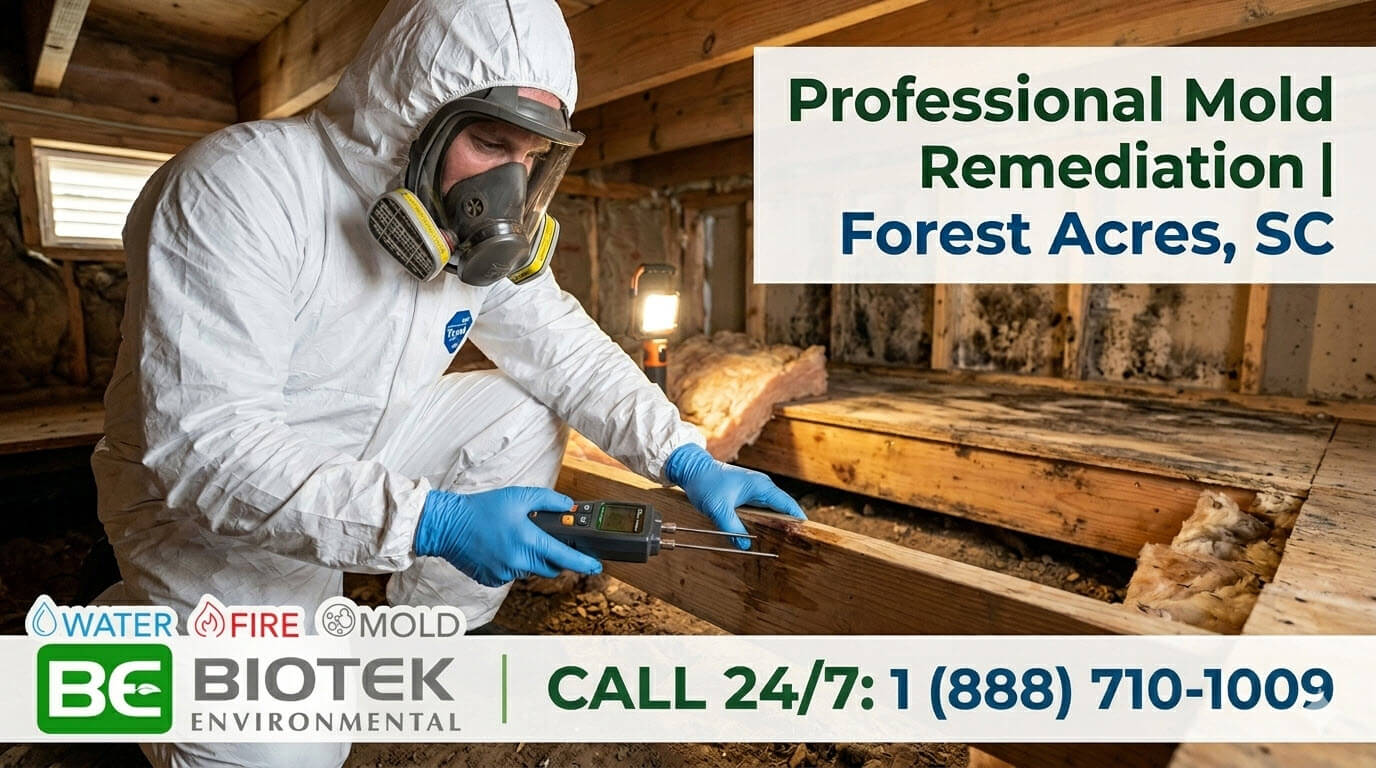
The true scope of water damage, especially from leaks or burst pipes, is often greater than what is immediately visible. Reputable professionals, such as BioTek Environmental Inc., use specialized tools like thermal imaging cameras and moisture meters to find hidden leaks and damage without unnecessary demolition. The detailed reports generated by certified mold inspectors, which include mold types and spore concentrations, provide the scientific data needed for a full understanding of the issue, which can be critical for the claims process.
Get Everything in Writing
Before agreeing to any work, ensure you have a written contract detailing the scope of work, timeline, payment schedule, and any guarantees provided. This protects you if disputes arise later.
Common Mistakes That Jeopardize Claims
Delaying claim reporting beyond policy timeframes can result in automatic denial. Failing to mitigate further damage shows negligence in the insurance company’s eyes. Disposing of damaged materials before inspection eliminates evidence supporting your claim.
Making permanent repairs before adjuster inspection may result in insurance refusing to verify the original damage extent. Accepting initial settlement offers without reviewing adequacy often leaves property owners undercompensated. Providing inconsistent information or exaggerating damage undermines your credibility.
Appealing Denied or Inadequate Claims
If your claim is denied or underpaid, don’t accept defeat. Review the denial letter carefully to understand the stated reasons. Gather additional documentation addressing the specific concerns raised. Obtain independent professional assessments that contradict the insurance company’s position.
Submit a formal appeal in writing, providing supplemental evidence and clearly explaining why the denial or inadequate payment is incorrect. Reference specific policy language supporting coverage. Consider consulting a public adjuster or attorney specializing in insurance claims if appeals aren’t successful.
Prevention: Protecting Your Future Insurability
After resolving a mold or water damage claim, take steps to prevent recurrence. Address underlying moisture issues, improve drainage, maintain plumbing systems, and ensure proper ventilation. Regular inspections identify problems before they become claim-worthy damage.
Document your maintenance efforts, receipts for plumbing repairs, HVAC servicing, roof maintenance, and waterproofing demonstrate responsible property stewardship. This documentation protects you if future claims arise, proving current damage isn’t due to neglect.
Working Effectively with Your Insurance Adjuster
Your insurance adjuster is the only individual authorized to approve your claim. Once you have filed the claim, the adjuster will visit your property to assess the damage. It is important to treat this interaction professionally and use the information gathered from your documentation and professional inspections.
Before filing a claim, or certainly before committing to a contractor, speak with your insurance company to understand the next steps in the process. Be prepared to compare the initial assessment provided by the insurance company with estimates from reputable local restoration contractors. Restoration estimates from reputable companies often require supplementary line items that may be missing from the initial insurance assessment.
The Critical Role of Professional Mold Remediation Companies
Professional remediation companies understand exactly what insurance adjusters need to see. They provide detailed scope of work documents, moisture readings, mold testing results, and photographic evidence formatted to meet insurance standards. This expertise eliminates documentation gaps that often lead to disputes.
Technical Credibility
Insurance companies take professional assessments seriously. When a certified mold remediation specialist identifies contamination extent, necessary remediation steps, and associated costs, adjusters recognize this expertise. Professional estimates carry far more weight than homeowner assessments.
Insurance Communication Experience
Experienced remediation companies regularly work with insurance adjusters and understand their protocols, terminology, and concerns. They can communicate in the language adjusters speak, explaining technical aspects of remediation in ways that satisfy insurance requirements and support your claim.
Protecting Your Interests
A quality remediation company advocates for complete, proper remediation rather than minimum-effort solutions. They ensure the scope of work addresses all contamination and underlying moisture issues, preventing future problems that insurance won’t cover as “pre-existing conditions.”
Beware of Storm Chasers and Restoration Scams
Following major weather events, it is common for predatory companies, often referred to as “storm chasers,” to travel to affected areas to exploit vulnerable homeowners. These contractors often use aggressive and deceptive tactics to pressure you into signing contracts.
Key red flags that identify storm chasers include:
- Knocking on doors or handing out flyers immediately after a storm.
- Offering unrealistically low prices or deals that sound too good to be true. They may claim they can complete the job for whatever the insurance company initially offers, but this often leads to subpar work and hidden costs.
- Claiming they were sent by your insurance company when they were not. Always verify this information with your agent.
- Demanding substantial upfront cash payments. While a small deposit may be standard, insist on paying with a check or credit card after the work is completed and you are satisfied.
- Lack of local presence and references. Storm chasers might set up temporary offices, but a reputable company should have a verifiable local office and phone number area code.
The best defense is to always choose a reputable, local restoration company. Local businesses have a reputation to uphold in the community, ensuring accountability and reliable service, unlike transient contractors who often disappear once the job is finished, leaving homeowners stranded if problems arise.
The BioTek Advantage: Your Partner in Remediation and Claims Support
When dealing with water damage and subsequent mold growth in South Carolina or Georgia, choosing the right remediation company is essential for both the physical restoration of your property and the success of your insurance claim. BioTek Environmental Inc. is the professional team you need to stand by you when navigating the complexities of insurance claims.
We understand that water damage remediation is a specialized field that requires expertise. BioTek Environmental Inc. has been proudly serving South Carolina, Charlotte, North Carolina, and Augusta, Georgia, since 2007, building long-term trust and an excellent reputation in the community. Unlike storm chasers who perform shoddy work, our team is committed to providing consistent, high-quality work in mold remediation and water damage restoration.
By engaging BioTek Environmental Inc., you benefit from a professional partner who provides the required documentation, utilizing cutting-edge technology like thermal imaging cameras to accurately identify the full scope of hidden water damage. We help ensure the cost of mitigation is minimized by responding rapidly, often having a crew on-site to assess and start restoration within hours of your call, 24/7/365.
BioTek Environmental Inc.: Certified Expertise and Green Restoration
BioTek Environmental Inc. is committed to excellence, as demonstrated by our continuous industry recognition. We have been voted “Best of South Carolina 2025” in the Restoration Contractor category, marking our second consecutive year receiving this award. This achievement validates our mission to provide exceptional mold remediation and water damage services throughout the region.
What truly sets us apart is our commitment to health and safety through environmentally safe procedures. We provide Clean, Green Restoration methods, employing EPA-registered and environmentally safe chemistries to reclaim your property in the safest ways possible. Our Oxidative Mold Remediation process, which utilizes OSC-500, is highly effective against biological contamination and fungal proteins because it penetrates deeply into porous surfaces where other methods fail, and it leaves no dangerous residue.
Furthermore, our team maintains advanced skills and certifications, adhering to the industry best practice standards defined by the Institute of Inspection Cleaning and Restoration Certification (IICRC). We hold the highest level of certification available to mold remediation contractors, the Council-Certified Microbial Remediation Supervisor (CMRS) designation. We also boast an A+ rating with the Better Business Bureau. Our long-term commitment to quality is underscored by providing the best and most comprehensive warranties in the industry, with guarantees up to 30 years on our services.
Beyond the Cleanup: Comprehensive Services Offered by BioTek Environmental Inc.
Water damage and mold restoration require a holistic approach, which is why BioTek Environmental Inc. offers a full suite of services to cover every aspect of the disaster. Our comprehensive process ensures that not only is the mold removed, but the source of the moisture is contained, and the environment is restored to a safe state.
Our services include:
Professional Assessment and Mold Testing
If you suspect mold, an initial mold inspection or testing is the crucial first step. Our certified professionals use cutting-edge technology, including thermal imaging and air sampling, to accurately assess the presence and concentration of mold spores, identifying hidden sources of moisture that contribute to mold growth.
Water Damage Restoration and Drying
Water extraction is followed immediately by the drying process, utilizing industrial air movers and specialized dehumidifiers to remove all moisture. This immediate and thorough drying prevents structural damage and eliminates the potential for biological contamination. We handle cleanup, sanitization, and deodorization of walls, floors, carpets, and personal objects, always using eco-friendly, non-toxic products.
Advanced Mold Remediation and Prevention
For mold infestations, we employ Oxidative Mold Remediation, a highly effective, safe, and non-toxic method that can penetrate deeply into porous surfaces where mold roots (hyphal projections) thrive, which traditional scrubbing methods cannot reach. Following remediation, we can apply our EPA-registered biostatic coating, which forms a permanent bond to surfaces to provide long-term, residual antimicrobial protection against mold, fungi, and bacteria.
Frequently Asked Questions About Water and Mold Insurance Claims
Q1. Does Homeowners Insurance Cover Mold Damage?
Generally, mold coverage is dependent on the cause of the mold. If mold growth is traced back to a sudden, covered event, such as a burst frozen pipe or storm damage, it is usually covered. If the mold is due to long-term neglect or maintenance issues (like a slow leak ignored for months), it may not be covered. Professional mold testing and inspection can provide crucial data to connect the mold to the initial damage.
Q2. What Should I Do First When I Notice Water Damage?
The first step is to shut off the source of the water immediately to limit flooding. Next, contact a professional water damage restoration company like BioTek Environmental Inc. to contain the source, begin drying, and assess the damage. Prompt action minimizes secondary damage, like mold growth.
Q3. How Long Do I Have to File an Insurance Claim for Water Damage?
While some policies allow 1 to 2 years to file a claim, depending on your insurance policy, it is crucial not to delay. Water damage should be reported immediately, as the longer the water sits, the more severe the damage becomes, including potential structural compromises and mold growth.
Q4. What is the Difference Between Mold Removal and Mold Remediation?
Mold removal refers simply to getting rid of the visible mold. Mold remediation is a comprehensive process that includes inspecting the extent of the problem, containing the area, killing and removing the mold, tearing out contaminated materials (like drywall), sanitizing items, and performing preventative measures to ensure the mold does not return.
Q5. Should I hire a local company or a storm chaser after a flood?
You should always hire a local, reputable company. Storm chasers typically lack local references and often perform poor quality work, disappearing when problems arise. Local companies, like BioTek Environmental Inc., have established reputations, proper licenses, and offer long-term warranties on their work.
Don’t Let Water Damage Cost You Peace of Mind or Property Value
Water damage and mold can be devastating, leading to major structural and financial issues if not addressed promptly and professionally. If you suspect you have a mold infestation or have recently experienced water damage in your home or commercial property, you need a partner who offers certified expertise and stands by you during the stressful insurance claim process.
BioTek Environmental Inc. is the award-winning restoration contractor the South Carolina community trusts. Our experienced team is on call 24 hours a day, 365 days a year, ready to respond quickly to minimize your damage and mitigate costly secondary issues like mold. We specialize in comprehensive, Clean, Green Restoration using environmentally safe methods and offer some of the longest, most comprehensive 30-year warranties in the industry.Don’t delay, early intervention saves time, money, and protects your health. Contact BioTek Environmental Inc. immediately for award-winning mold remediation and water damage restoration services in Columbia, Greenville, Spartanburg, SC, and surrounding areas!