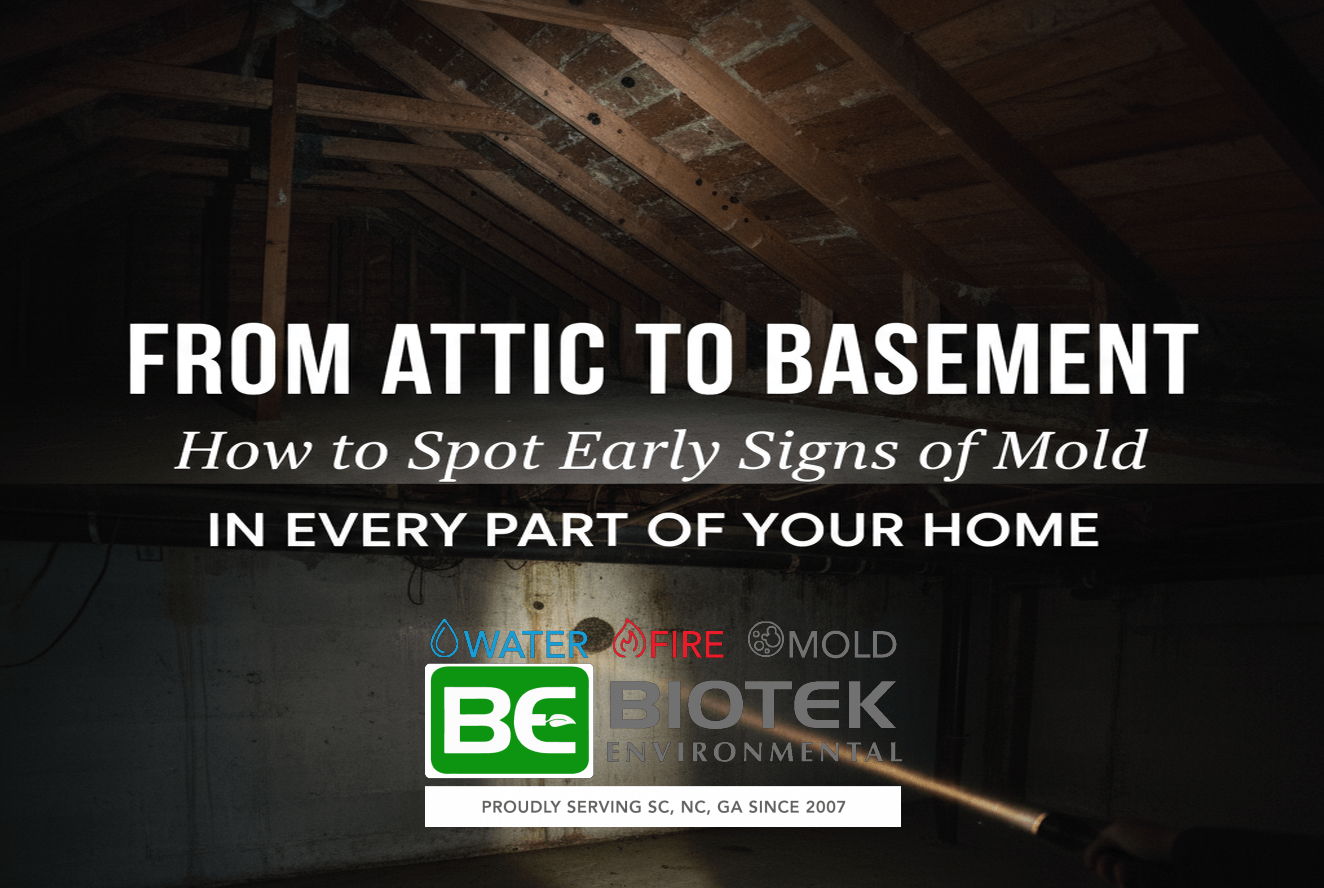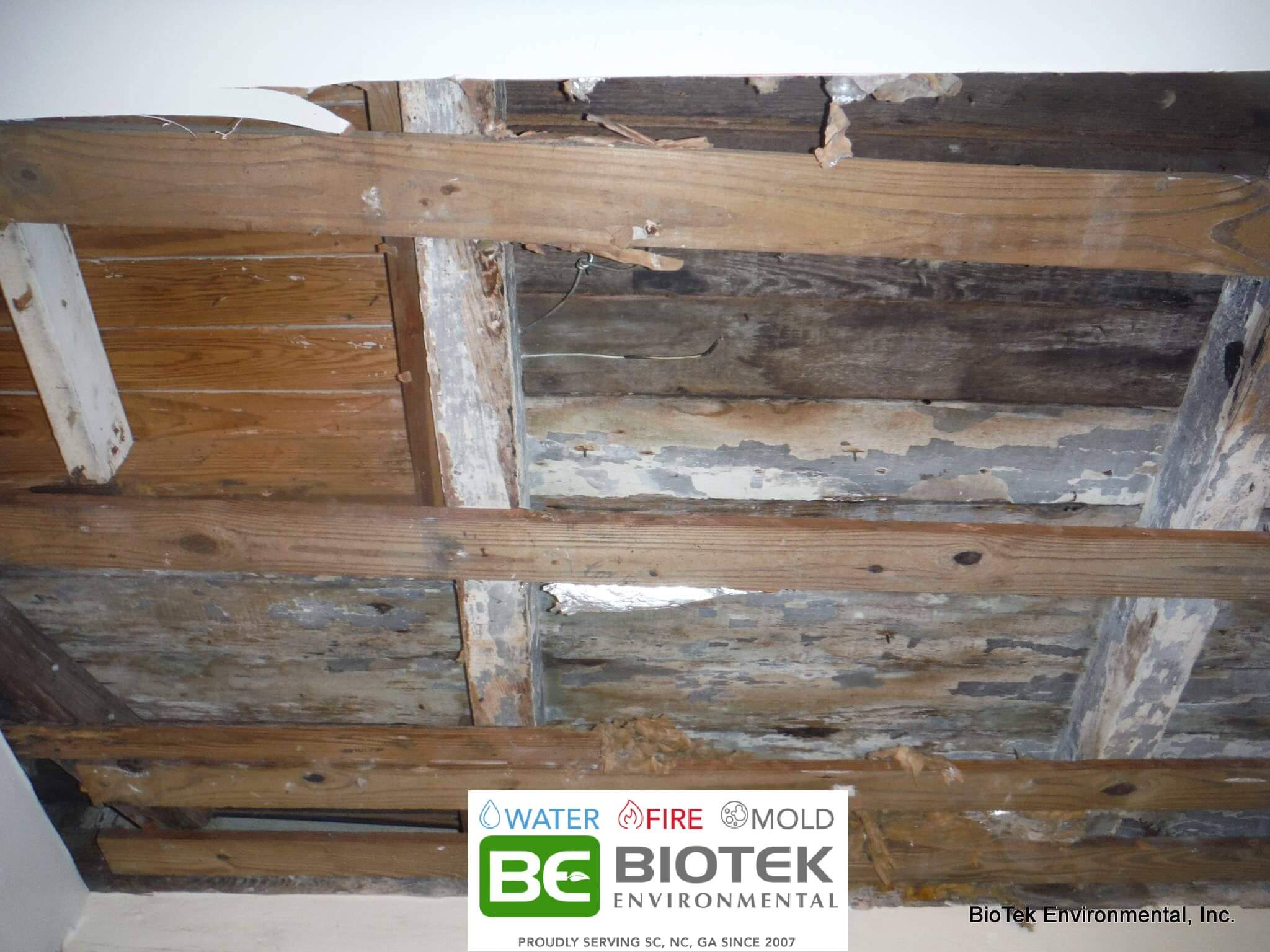
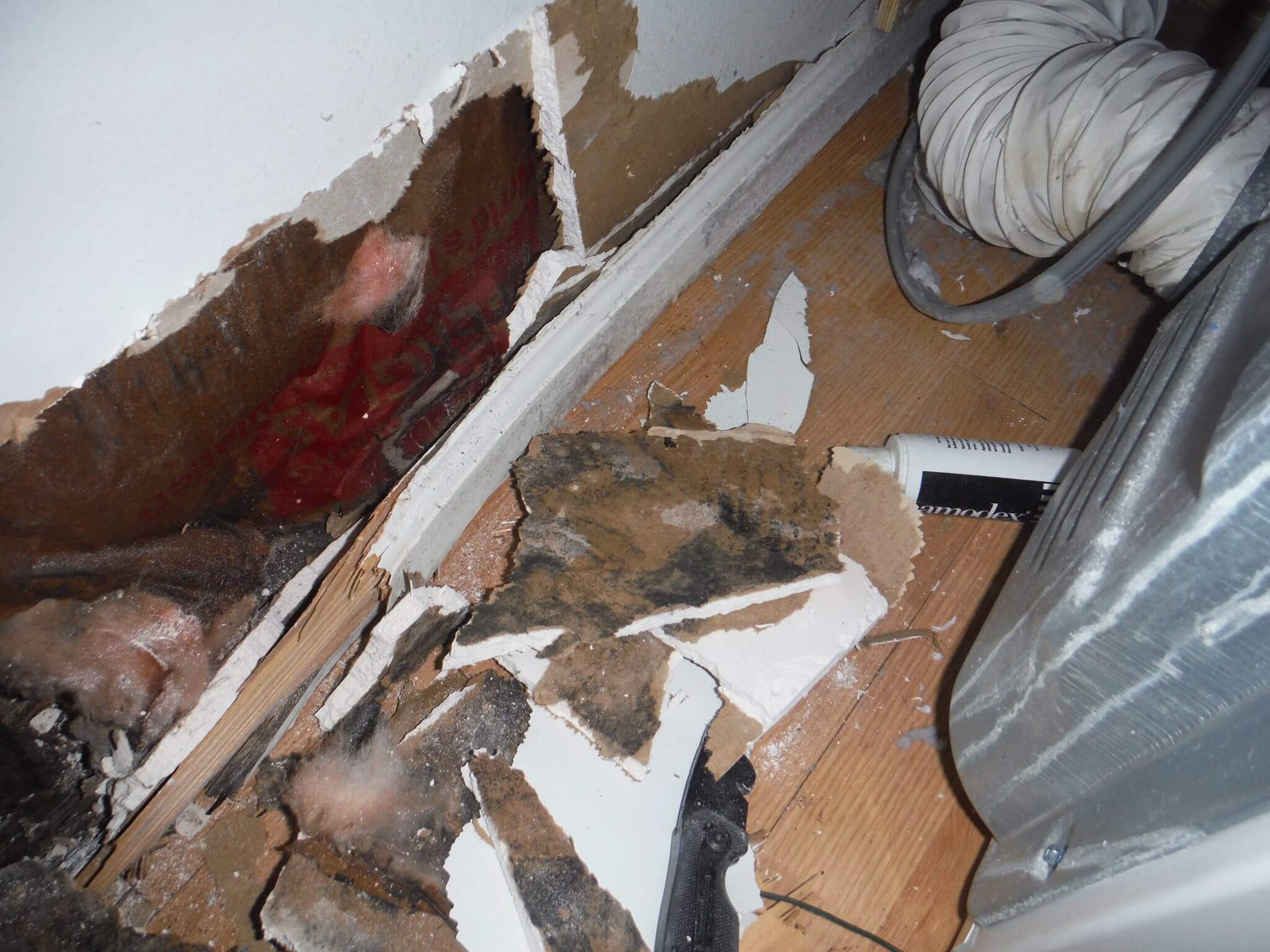
For homeowners across South Carolina, North Carolina, and places like Augusta, Georgia, the thought of mold silently growing within their walls is a significant concern. Many believe mold is always obvious, appearing as large, dark patches. However, this silent intruder often operates out of sight, gradually compromising your home and potentially impacting your family’s health long before it becomes visible. Dealing with water damage and moisture issues is a constant battle in our region, and unfortunately, these conditions are exactly what mold needs to thrive. The stress of unseen damage, the potential for costly repairs, and the worry about health risks can weigh heavily on anyone.
We will help you understand how mold takes hold and, more importantly, equip you with the knowledge to spot the subtle, hidden signs that most people overlook, protecting your valuable property and your well-being.
Understanding How Mold Begins Its Growth Journey
Mold is a type of fungus that is naturally present everywhere, both outdoors and indoors, but it only becomes a problem when it finds the right conditions to grow inside your home. Think of mold spores as tiny, invisible seeds floating in the air. These spores can enter your home through various means: on your clothes, shoes, or bags, through open windows and doors, or even through your HVAC system. Once inside, these dormant spores are just waiting for an opportunity.

The critical ingredients for mold growth are moisture, warmth, and a food source. Any organic material in your home can serve as food for mold, including wood, paper, fabric, drywall, and even dust. When mold spores land on a damp surface with a steady supply of nutrients, they can begin to grow rapidly, often within just 24 to 48 hours after water intrusion occurs. Basements, bathrooms, and kitchens are common culprits due to inherent humidity and potential for leaks. During colder months, when windows and doors are often kept closed, warm, moist air can lead to mold growth even in unexpected places like bedrooms.
Why Hidden Mold is a Silent Threat to Your Home and Health
Hidden mold is particularly concerning because it can cause damage and health issues without you even knowing it’s there. Structural components of your home, like walls, ceilings, and floors, can be weakened as mold digests the materials they are made from. This deterioration can lead to significant structural instability, reducing your property’s value and potentially creating safety hazards.
Beyond the physical structure, hidden mold poses serious health risks. Mold can produce allergens, irritants, and toxic substances called mycotoxins. Exposure to these can lead to a range of symptoms, from mild allergic reactions like a stuffy or runny nose, itchy throat, sneezing, and watery eyes, to more severe respiratory problems such as asthma, bronchitis, and chronic sinus infections. Black mold (Stachybotrys chartarum), in particular, is notorious for producing mycotoxins that can lead to more serious health concerns, including neurological issues, persistent fatigue, and even internal organ damage in severe or prolonged cases. Children, the elderly, and individuals with compromised immune or respiratory systems are especially vulnerable.
Hidden Sign 1: The Subtle Scent of Trouble
One of the most common, yet frequently overlooked, indicators of hidden mold is a persistent, distinctive odor. This smell is often described as musty, earthy, or like rotting wood or wet, dirty socks. Many homeowners might try to mask it with air fresheners or simply ignore it, assuming it’s just an “old house” smell. However, this odor is more than just mold itself; it’s also produced by microbial volatile organic compounds (MVOCs), chemical compounds released during mold growth stages.
If you notice this kind of smell, especially in areas like your basement, bathroom, or behind large furniture, even if you can’t see any visible mold, it’s a strong sign that mold is growing nearby, possibly within walls or under flooring. This distinct odor is often the first clue before any visual signs appear, making it a critical warning to investigate further.
Hidden Sign 2: Unexplained Health Issues and Persistent Allergies
Many people experience allergy-like symptoms that seem to linger indefinitely, or worsen when they are at home. This can be a significant hidden sign of mold exposure. Symptoms such as persistent coughing, wheezing, sneezing, a stuffy or runny nose, itchy eyes or skin, sore throats, or even headaches and unexplained fatigue might not just be seasonal allergies or a common cold. If these symptoms don’t improve with typical treatments or if they become noticeably worse when you’re in a specific area of your home, mold could be the underlying cause.

Black mold, with its mycotoxins, can also lead to more profound and chronic issues like chronic inflammatory response syndrome (CIRS), affecting neurological functions, mood, and digestion, or acute neutrophilic rhinitis, a persistent nasal infection. Children and those with weakened immune systems are particularly susceptible to these health impacts. If you or your family members are experiencing these persistent health complaints without a clear diagnosis, especially if they subside when you leave your home, it’s a strong indicator to consider mold as a factor.
Hidden Sign 3: Peeling Paint, Warped Walls, or Discolored Patches
While large, obvious water stains are easy to spot, hidden mold often manifests through more subtle changes in your home’s surfaces. Look for peeling or bubbling paint, slight warping or bulging of drywall or wallpaper, or unusual discolored patches that don’t seem to be surface dirt. These seemingly minor issues can indicate that moisture is accumulating behind the visible surface, creating the perfect breeding ground for mold.
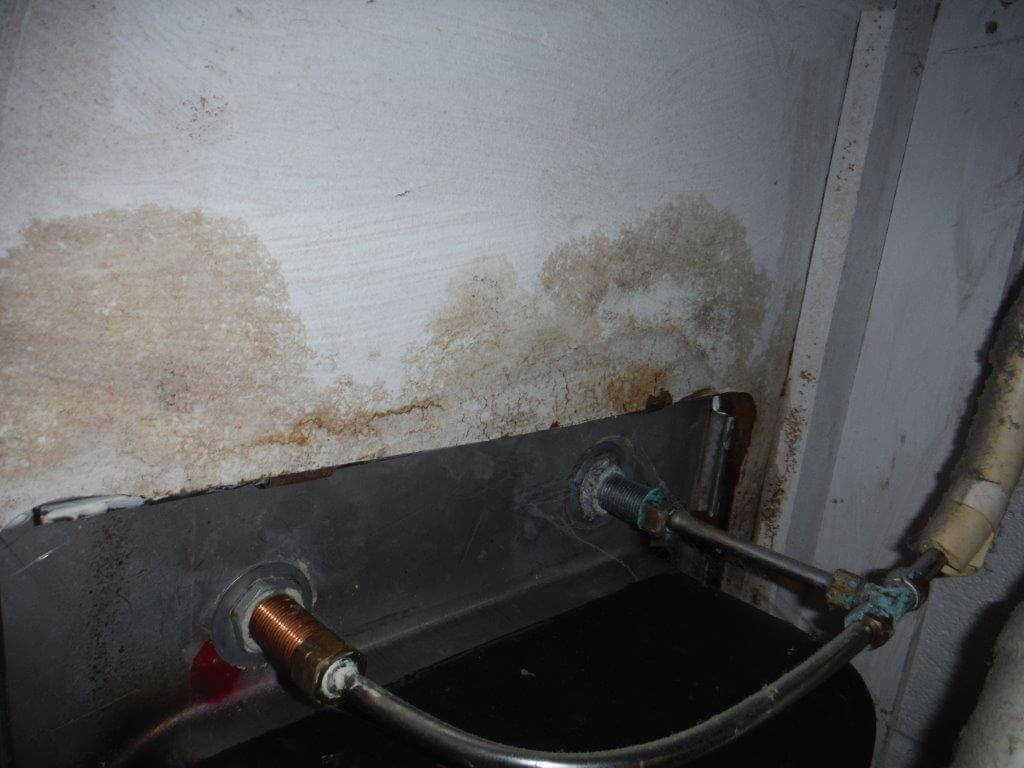
Mold growth in these unseen areas often creates a moist environment that can compromise materials like drywall and wood, leading to these subtle signs of deterioration. If you see a small, persistent stain that doesn’t wipe away, or if a section of your wall feels slightly soft or looks uneven, it could mean that mold is actively growing within or beneath the material. These are not just cosmetic flaws; they are often the outward symptoms of a deeper moisture and mold problem.
Hidden Sign 4: The Mystery of Condensation and Increased Humidity
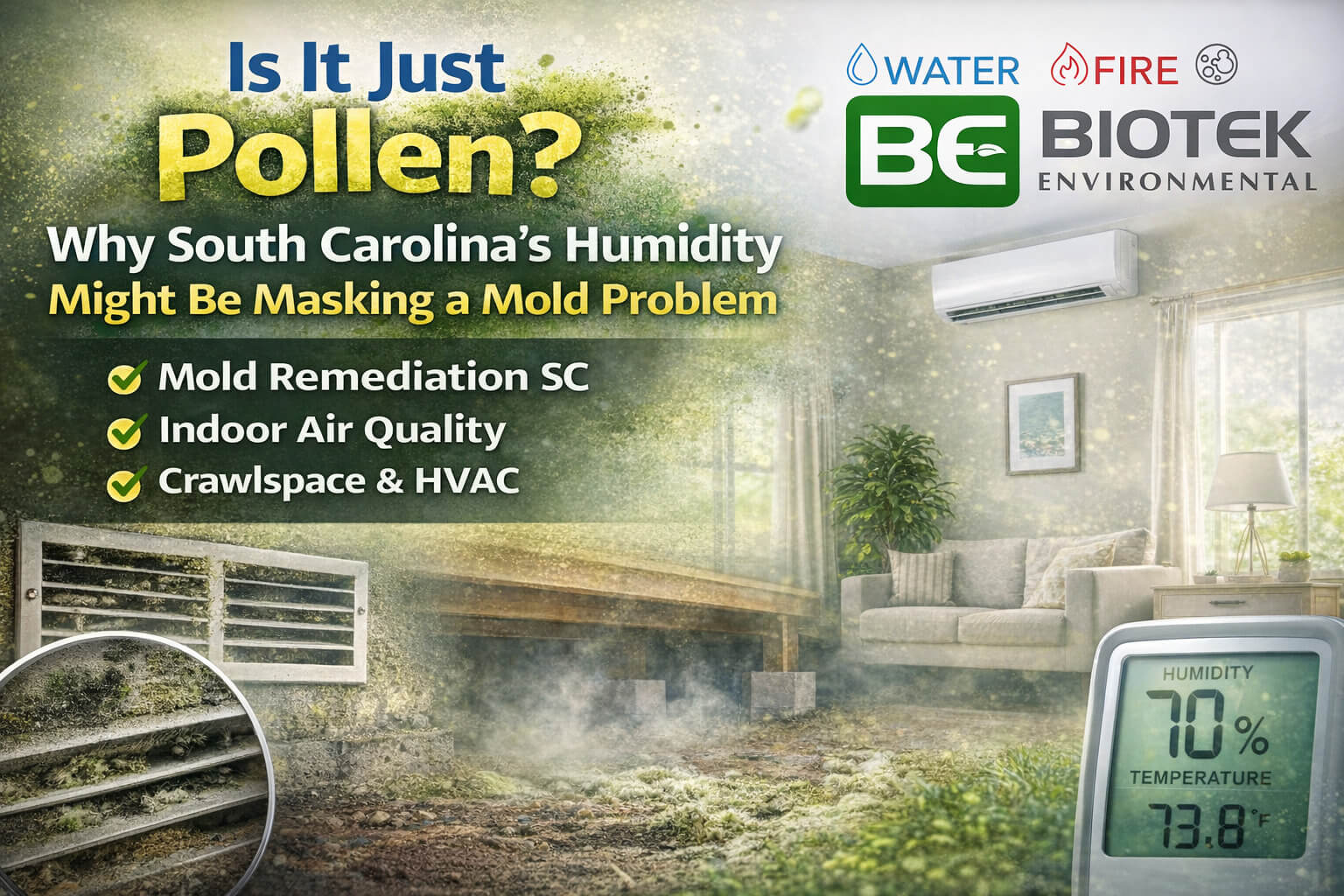
High indoor humidity and excessive condensation are direct invitations for mold to grow. While some condensation on windows during cold weather is normal, persistent condensation that leads to water droplets or wet sills, or unusually high humidity levels in your home, especially in typically drier areas, can be a hidden sign of a deeper moisture issue.

Areas like basements, attics, and even inside bathroom or kitchen cabinets are prone to moisture buildup due to poor ventilation, leaks, or temperature differences. If you notice a damp, clammy feeling in your home, especially in a particular room, or if surfaces like cold pipes in your basement are constantly sweating, it signals that humidity levels are too high. This excess moisture is often invisible until mold starts to grow, making it a critical hidden indicator that mold conditions are present and thriving. Maintaining indoor humidity below 50% is a wise preventative measure.
Hidden Sign 5: Unexplained Water Bills or Past Water Incidents
A sudden and unexplained increase in your water bill can be a significant red flag for a hidden leak within your plumbing system. Even a small, slow leak behind a wall or under a floor can provide the continuous moisture that mold needs to grow undetected for weeks or months. This continuous water supply creates an ideal environment for mold colonies to establish themselves out of sight, yet still impacting your indoor air quality and structural integrity.

Furthermore, any past water damage incident, such as a burst pipe, a flood, or even a minor leak that you thought was fully cleaned up, can lead to hidden mold problems. If the affected areas were not completely dried out, or if moisture was trapped within porous materials, mold spores could have germinated and continued to grow. Even after visible repairs, lingering moisture can foster mold, making it essential to address any past water incident with thorough professional drying and inspection.
When to Call the Professionals: Over 10 Square Feet of Mold
While it might be tempting to tackle a small patch of mold yourself, the Environmental Protection Agency (EPA) recommends that any moldy area larger than 10 square feet should be handled by a professional mold removal contractor or remediation service. This recommendation is crucial for several reasons. Mold often hides in unseen places like behind drywall, under carpets, or in attics and basements. DIY attempts, especially for larger infestations, can inadvertently spread mold spores, making the problem worse.

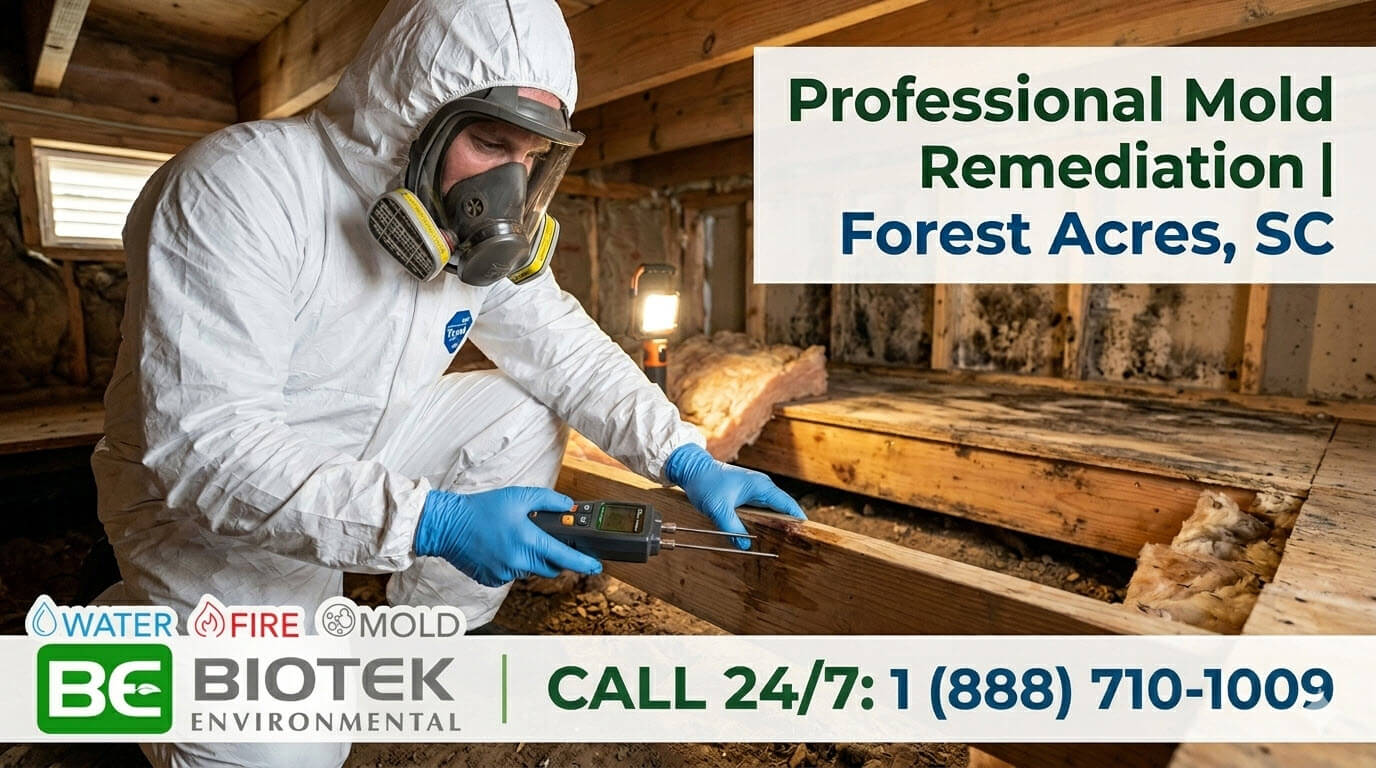
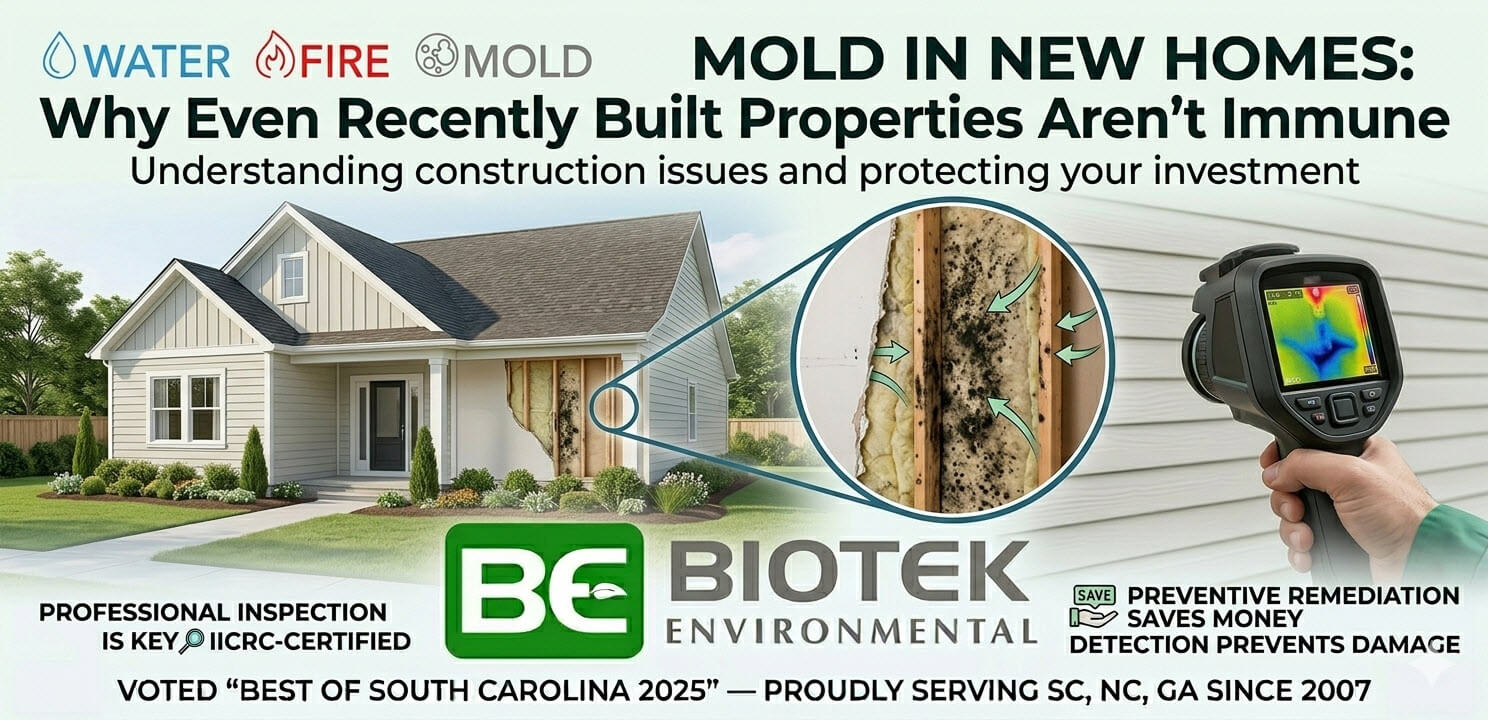
Professionals have specialized equipment like thermal imaging cameras to find hidden leaks and damage without tearing apart your walls, and moisture meters to ensure complete drying. They also use containment procedures to prevent cross-contamination during removal and ensure that fungal proteins, which can cause allergic reactions, are properly denatured. A certified mold inspector can accurately identify the type and extent of mold, providing the scientific data needed for effective removal. Trusting a professional ensures the mold is not just removed from the surface, but its root cause is addressed, significantly reducing the chance of its return.
BioTek Environmental Inc.: Your Trusted Partner in Mold Remediation
When faced with the silent threat of hidden mold, you need a partner you can trust to deliver effective, safe, and lasting solutions. BioTek Environmental Inc. has been proudly serving South Carolina, North Carolina, and Georgia since 2007, earning a reputation for excellence in mold prevention, removal, and water damage restoration.
Oxidative Mold Remediation
Our approach stands out because we utilize Oxidative mold remediation, an environmentally safe process designed specifically to tackle the complex challenges of bio-contamination. Unlike traditional methods that might use harsh chemicals, our process does not use chlorine, pesticides, poisons, or heavy metals, ensuring no dangerous residues are left behind. Our chemistry penetrates deeply into porous surfaces, cracks, and crevices, reaching mold that other methods miss, and effectively digesting fungal proteins to convert them from hyper-allergenic to hypo-allergenic components.

Clean, Green Restoration
We pride ourselves on our clean, green restoration methods, employing EPA-registered and environmentally safe chemistries. Our certified professionals are equipped with cutting-edge technology, including thermal imaging for hidden leaks and hydroxyl generating technology for improved indoor air quality and VOC elimination. We also offer advanced solutions like biostatic coatings that form a permanent bond to surfaces, providing long-term, residual antimicrobial protection against bacteria, fungi, algae, and mold growth for up to 30 years.
Award-Winning Mold Remediation with Industry-Leading Guarantees
BioTek Environmental Inc. is not just about removing mold; it’s about restoring your peace of mind. We offer some of the best and most comprehensive warranties in the industry, ensuring legitimate bumper-to-bumper coverage on all our services. With 24/7 emergency service and a team of highly trained, and IICRC-certified, we are ready to respond quickly to assess and begin the restoration process, minimizing costs and eliminating the potential for future mold growth. Our commitment to customer satisfaction has earned us an A+ rating with the Better Business Bureau, numerous Angie’s List Super Service Awards, and voted as “Best of South Carolina” for 2024 and 2025 in the category of Restoration Contractor.

Don’t Let Hidden Mold Compromise Your Home or Health
Ignoring the subtle indicators of hidden mold can lead to escalating damage and serious health concerns for your family. If you suspect any of these hidden signs of mold in your home or commercial property, don’t wait for the problem to become obvious and more costly to fix. Immediate action is crucial to protect your investment and your well-being.

Contact BioTek Environmental Inc. today for a professional mold inspection, removal, and remediation. Our experienced team utilizes environmentally safe and effective methods to identify, contain, and eliminate mold, backed by the best and most comprehensive warranties in the industry. Call us toll-free at 866-630-7340 anytime, 24/7, or contact us online to schedule an assessment. Let BioTek Environmental Inc. help you reclaim a clean, green, and healthy environment within your home or business.

Frequently Asked Questions About Mold in Your Home
Q1. Can I remove mold myself if it’s a small area?
For very small, isolated patches of mold (less than 10 square feet), some homeowners might attempt DIY cleanup using environmentally friendly cleaning products with natural ingredients like baking soda, lemon juice, and vinegar. However, the EPA advises that areas larger than 10 square feet should be handled by professionals due to the risk of spreading spores and the need for thorough remediation to address the root cause. DIY methods often don’t fully eliminate the mold, especially if it has penetrated porous surfaces, and can actually make the problem worse.
Q2. Can I test for mold myself using DIY kits?
While DIY test kits are available, they often provide limited information and may not detect all types of mold. Professional testing offers more comprehensive and accurate results.
Q3. What does “black mold” actually look like?
While often described as completely black, Stachybotrys chartarum, or “black mold,” can also appear as dark green, gray, or brown. It typically has a slimy or wet texture, though younger growth can be powdery, and older growth might appear furry. It often grows in a spotty, irregular pattern. However, many non-toxic molds can also be dark, so visual identification alone isn’t enough to confirm it’s the dangerous “toxic black mold.” Professional testing is required for definitive identification.
Q4. Is it safe to stay in my home during mold remediation?
Professional companies use containment procedures that often allow partial occupancy, though severe contamination may require temporary relocation during active remediation.
Q5. What’s the difference between mold and mildew?
Mildew is a surface-growing type of mold that’s typically easier to clean. Other molds can penetrate materials more deeply and require professional remediation.