In South Carolina and Georgia, like most of the southeastern part of the US, experience high levels of humidity during the summer months. As a result, we need to maintain the level of humidity in our homes to create a healthy indoor environment and minimize the risk of mold infestations. High humidity levels can create a perfect growing conditions for mold. As we have discussed in previous posts, mold can lead to various health issues and damage to the structure of your home. As mold remediation experts in South Carolina, we would like to share with you information about the importance of controlling humidity levels and how it can effectively prevent mold growth. By understanding the impact of humidity on mold formation, you can take proactive measures to protect your health and maintain a mold-free home.
The Relationship Between Humidity and Mold
What is Mold?
Mold is a type of fungi that can be found both indoors and outdoors. It thrives in damp and warm conditions. Mold reproduces by releasing tiny spores into the air, which can then settle and grow on various surfaces. Not only does it have the ability to grow on the walls of our houses, but it can also inhabit various surfaces like fabric, paper, and wood, posing challenges when attempting to eliminate it using regular household cleaning supplies.
How Does Mold Form?
Mold requires three essential components to grow: moisture, organic material, and suitable temperatures. Of these three factors, moisture is the most important element for mold formation. When humidity levels are high, it creates an ideal environment for mold spores to settle and multiply.
The Impact of High Humidity on Mold Growth
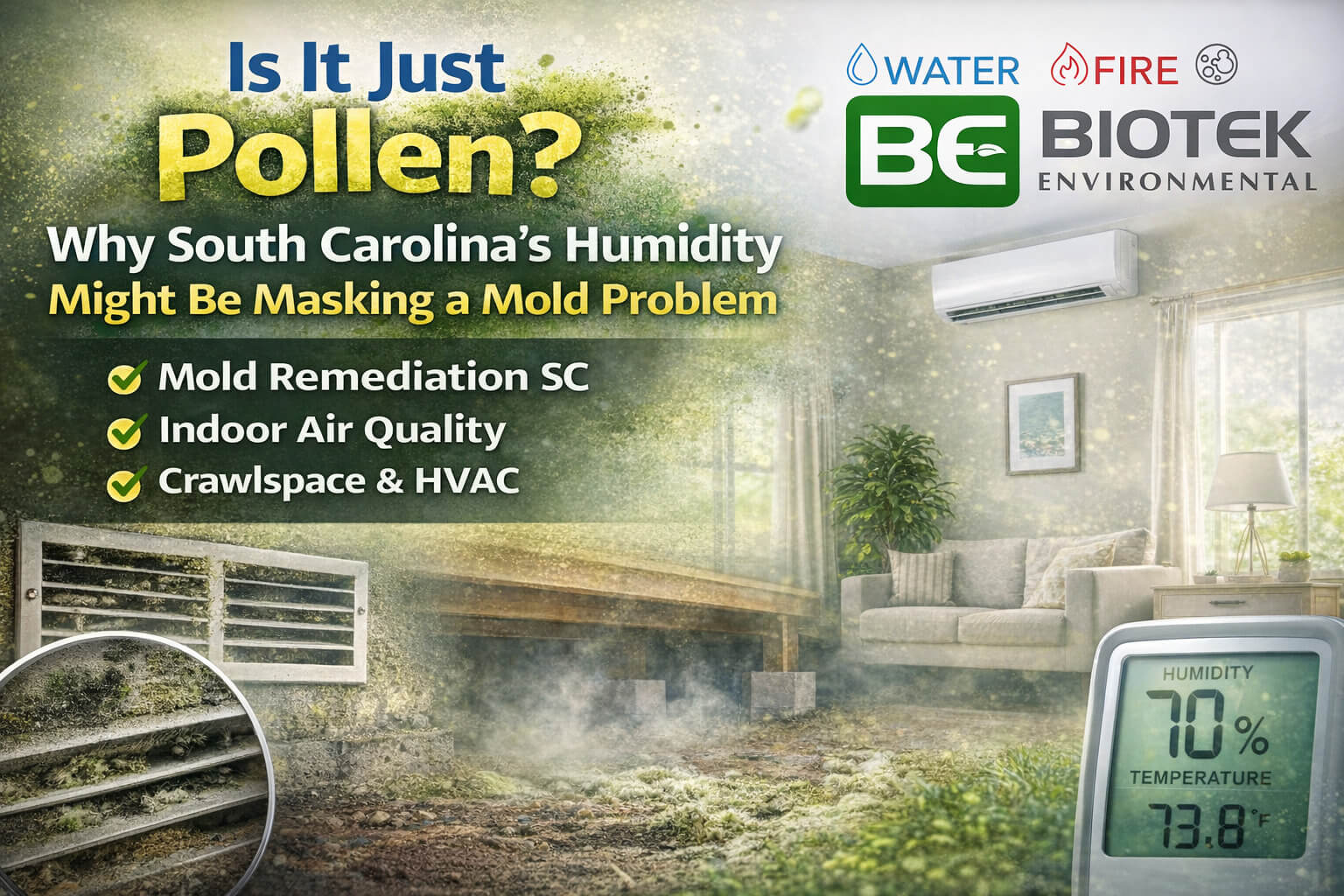
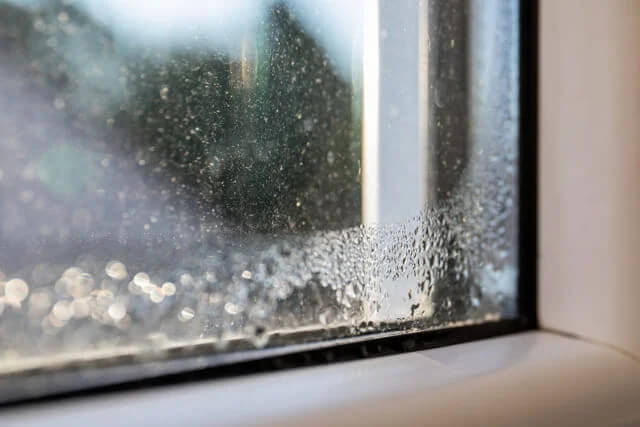
Excess moisture in the air, often caused by high humidity, provides the perfect breeding ground for mold. According to the EPA, when humidity levels exceed 60%, the risk of mold growth significantly increases. The moisture in the air condenses on cold surfaces, such as walls or windows, creating a damp environment where mold can thrive. This is particularly common in areas with poor ventilation, such as basements, bathrooms, and kitchens.
The Dangers of Mold Growth
Health Risks Associated with Mold
Mold growth can have adverse effects on human health, especially for individuals with respiratory conditions or weakened immune systems. Exposure to mold spores can trigger allergic reactions, including coughing, sneezing, wheezing, and skin irritation. Prolonged exposure to mold can lead to more severe health issues, such as respiratory infections and asthma attacks. Additionally, some molds produce mycotoxins, which can cause neurological symptoms and long-term health complications.
Structural Damage to Your Home

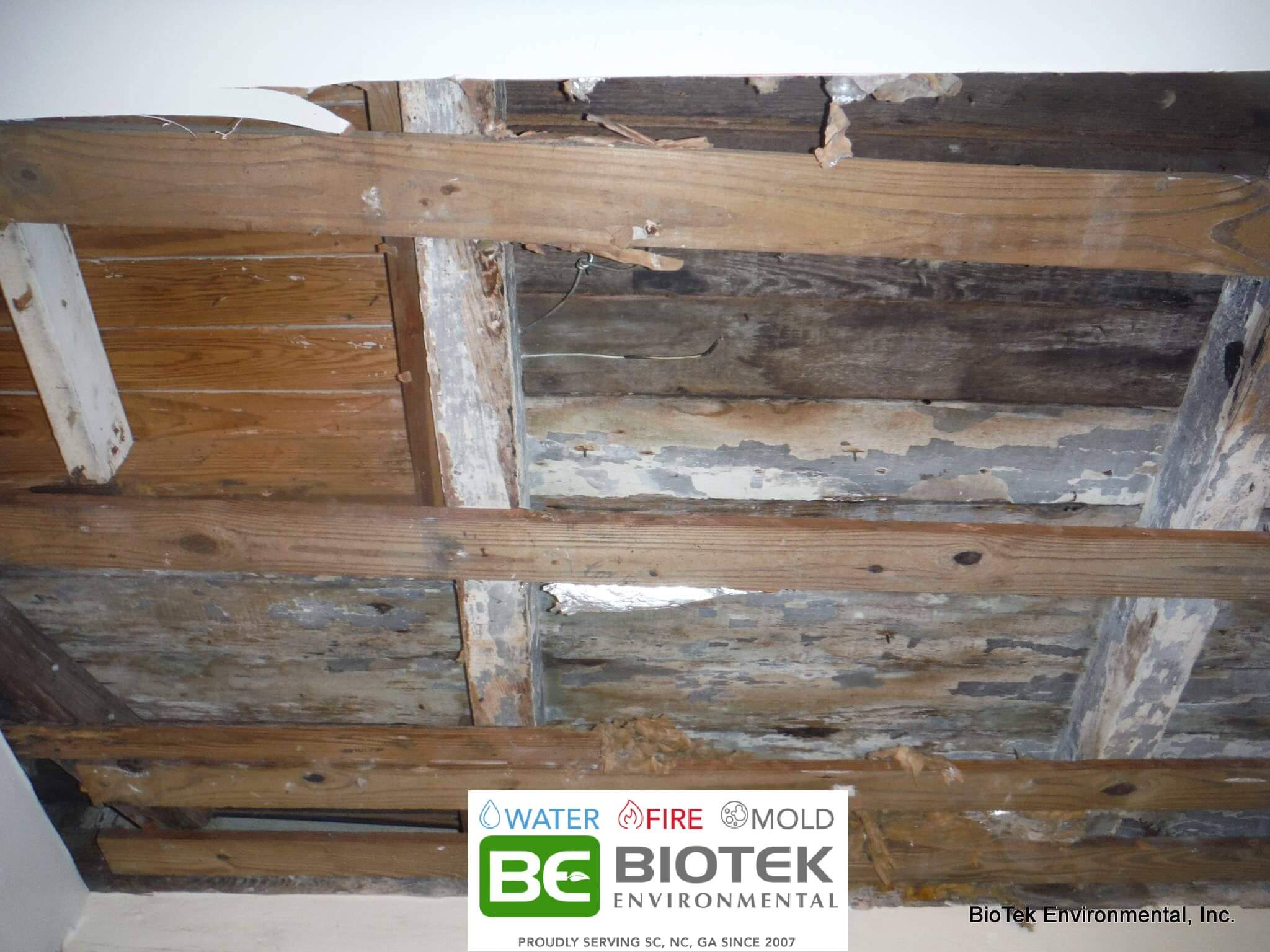
Apart from health concerns, mold growth can cause significant damage to the structure of your home. When left untreated, mold growth can compromise the stability of walls, floors, and other components of your home. The presence of mold weakens the materials it grows on, causing them to decay, warp, or deteriorate over time. This deterioration can eventually lead to costly repairs or even the need for extensive renovations to restore the your home’s integrity. If the mold infestation is extensive, hiring professional mold remediation services like BioTek Environmental Inc. can be the most effective way to deal with your mold issues and protect your home. As a professional mold removal company, we not only physically remove the mold but also address the underlying cause to prevent its recurrence.
Insureance Coverage for Mold Infestations
For homeowners, in areas like South Carolina with high humidity, understanding insurance coverage in relation to mold-related claims is crucial. Many standard property insurance policies either exclude or provide limited coverage for mold damage. However, some policies may offer specific endorsements or additional coverage options for mold-related issues. It is essential to carefully review your insurance policy and consult with your insurance provider to ascertain the extent of coverage available for mold remediation and repairs. Being knowledgeable about your insurance coverage can help you make informed decisions and minimize the financial burden associated with mold-related claims.
The Importance of Controlling Humidity
Preventing Mold through Humidity Control
Maintaining optimal humidity levels is key to preventing mold growth and ensuring a healthy living environment. By controlling moisture, you can effectively inhibit the conditions necessary for mold spores to settle and proliferate. The ideal humidity range for indoor spaces is between 30% and 50%. Below this range, the air becomes too dry, while above it, moisture levels can create an environment conducive to mold growth.
Effective Moisture Control Measures
To control humidity and prevent mold, consider applying some of the following measures:
- Ventilation: Proper ventilation is necessary for any part of your home, it is especially important, however, in areas prone to moisture, such as bathrooms, kitchens, basements, attics, and crawl spaces. If you are able, you should Install exhaust fans to remove excess humidity and promote air circulation.
- Dehumidification: You can use dehumidifiers to extract moisture from the air and maintain optimal humidity levels. This is particularly important in humid climates or during damp seasons.
- Air Conditioning: Installing air conditioners will not only cool the air in your home in the summer but also help to remove excess moisture.
- Insulation: Proper insulation reduces the chances of condensation on walls and windows, minimizing the moisture available for mold growth.
- Repair Leaks: You should always act quickly to repair any water leaks or plumbing issues in your home. Even minor leaks can lead to significant moisture buildup and mold problems if left unattended.
Regular Monitoring and Maintenance
To help prevent mold infestations, it is also essential to regularly monitor and maintain the humidity levels in your home. To monitor humidity levels, you can use a hygrometer. This simple device measures humidity, to keep track of the moisture in the air of your home. Additionally, you should conduct routine inspections for any signs of water damage, leaks, or mold growth. Early detection and swift action can prevent mold from spreading and causing further damage to your home.
Contact a Professional Water Damage and Mold Removal Service
Controlling humidity levels is crucial for preventing mold growth and maintaining a healthy indoor environment. By implementing effective moisture control measures and regularly monitoring humidity levels, you can safeguard your well-being and preserve the integrity of your living spaces.
However, if you do notice mold growth in your home, it is important to deal with it immediately before it gets worse. The most effective way to deal with mold issues is having professionals like BioTek Environmental mold inspection and remediation specialists evaluate the mold issues and suggest the best solutions for our situation. The best way to remove it is with professional mold remediation. Do-it-yourself products will not be as effective nor will they provide you with any guarantees that the mold won’t return again soon.
Professional mold remediation companies like BioTek Environmental provide guarantees for their work. In fact, at BioTek Environmental, we provide you with the best and most comprehensive warranties in the industry.
Call BioTek Environmental Inc any time of the day or night. Contact us online to protect your home or business from mold infestations or call us at (866) 630-7340.
We provide mold inspection, removal, and remediation services to Columbia, Greenville, and Spartanburg, SC. Our Clean, Green Restoration methods employ EPA-registered and environmentally safe chemistries to help our customers reclaim their property from mold removal, and flood and fire damage in the safest ways possible.