Dealing with mold in your home can be more than just a nuisance; it can be a genuine concern for the health of your family and the integrity of your property. For homeowners in South Carolina, North Carolina, and Augusta, Georgia, the warm, often humid climate creates conditions where mold can thrive. You might notice a strange, musty smell or see discolored patches appearing on walls or ceilings, leading to worries about indoor air quality and potential health issues. Understanding where mold is most likely to grow and why, along with knowing how to identify and address it, is essential to protecting your home and well-being. According to the CDC “No matter what type of mold is present, you need to remove it,” as the health effects of mold can vary from person to person. We will guide you through the common mold locations and hiding spots for mold and the steps you should take if you suspect an infestation.
Mold’s Foundation: Moisture, Warmth, and Nutrients
Mold is a type of fungus that exists virtually everywhere in our environment, both indoors and outdoors. While microscopic mold spores are always present in the air we breathe, they only become a problem when they land in a suitable environment to grow. The critical ingredients for mold growth are moisture, warmth, and a source of organic material to feed on. Common household materials like wood, drywall, fabric, and paper all provide the necessary nutrients. When these conditions combine, mold can begin to grow rapidly, often within just 24 to 48 hours of water exposure. Understanding this fundamental need for moisture is the first step in preventing and addressing mold issues.

The Critical Factor: Moisture and Humidity
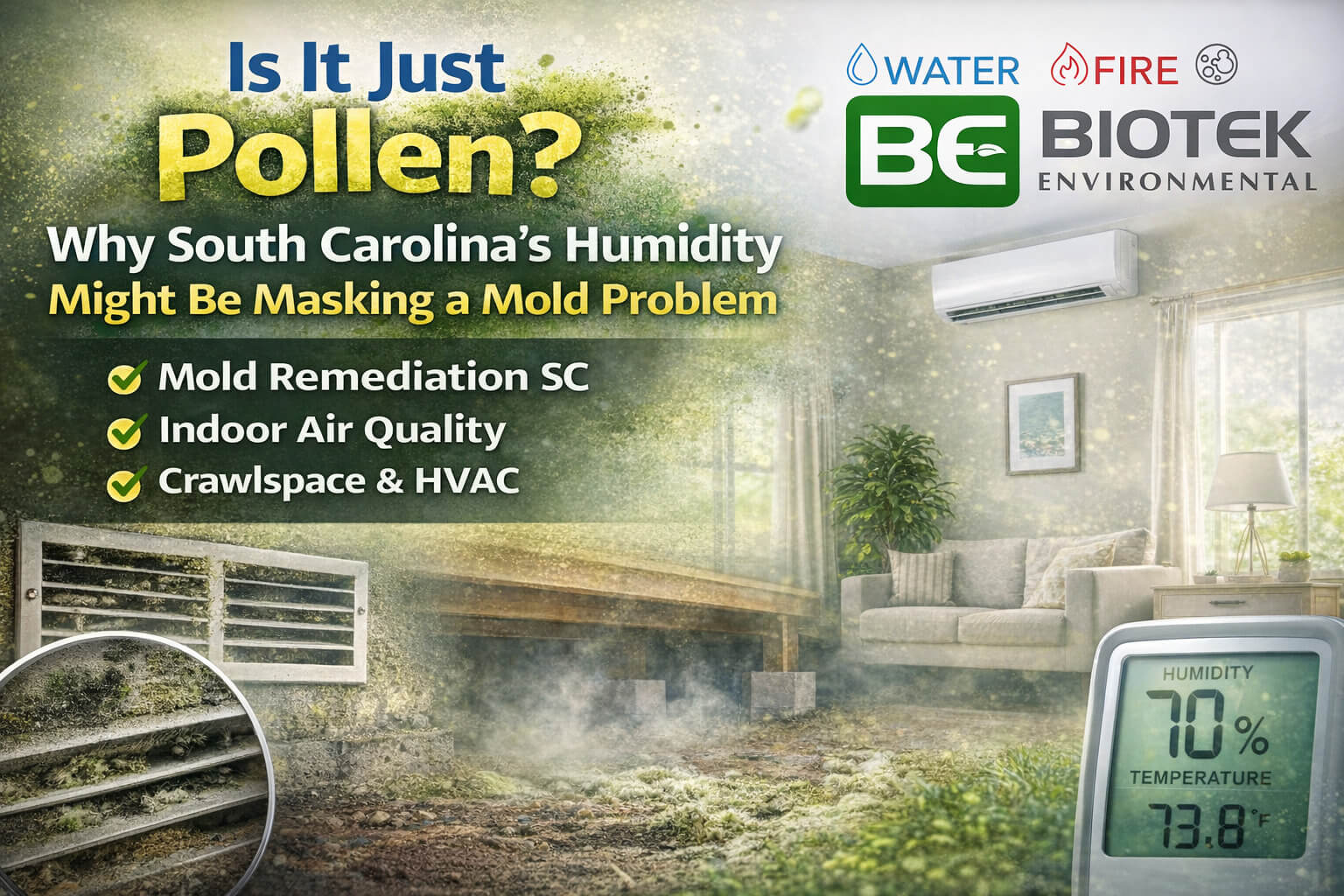
Excess moisture is the single most important factor driving mold growth in homes. Sources of moisture can range from sudden events like floods or burst pipes to ongoing issues like slow leaks, condensation, or high indoor humidity levels. Even something as simple as air-drying clothes indoors can contribute to elevated humidity. Mold thrives in warm, damp, and humid settings. Maintaining indoor humidity levels below 50% is recommended to help control mold growth. Proper ventilation is crucial for removing excess moisture from areas where it accumulates, like bathrooms and kitchens. Without controlling the source of moisture and reducing humidity, any mold removal effort is unlikely to be a permanent solution.
Regional Vulnerability: Mold in SC, NC, and GA Climates
Homes in South Carolina, North Carolina, and Augusta, Georgia, face particular challenges when it comes to preventing mold. The climate in these regions often includes high temperatures and significant humidity, creating an ideal environment for mold to flourish both indoors and out. Heavy rainfall, tropical storms, and hurricanes can lead to flooding and water intrusion, providing the immediate moisture needed for rapid mold development. Additionally, keeping windows and doors closed during colder or warmer months to control indoor temperature can trap moist air inside, especially without adequate ventilation, further encouraging mold growth. These environmental factors make proactive mold prevention and prompt response to any water issue particularly important in these areas.
Basements: The Dark, Damp Realm of Mold Growth
Basements and crawl spaces are notorious for moisture issues, making them common places for mold to grow. These areas are often prone to water leaks and high humidity levels. Pipes located in unheated basements or crawl spaces are also at risk of freezing and bursting. Mold can begin growing in a basement just a few days after a pipe starts leaking. Factors contributing to mold growth in basements include poor ventilation, darkness, high moisture levels, and the presence of organic material. Cracks in foundation walls can also allow moisture to enter, especially after heavy rainfall or flooding. In addition, air-drying clothes in the basement can increase humidity and moisture levels, creating ideal conditions for mold.
Visible mold might appear slimy and dark (like green, gray, or black) and can grow on various surfaces found in basements, including wood, fabric, shoes, drywall, laminate, and under carpets. Even if mold isn’t visible, a musty or earthy odor can indicate its presence. This odor is caused by microbial volatile organic compounds (MVOCs) released during mold growth stages. Trying to air out the smell or use air fresheners won’t solve the underlying mold problem.
High-Moisture Areas: Bathrooms and Kitchens
Bathrooms and kitchens are primary hubs for moisture generation in any home, making them frequent sites for mold growth. Activities like showering, bathing, cooking, and washing dishes release significant amounts of steam and water vapor into the air. Without effective ventilation, such as exhaust fans that vent air outside the home, this moisture settles on surfaces, creating damp conditions ideal for mold. Leaks around sinks, toilets, tubs, or appliances like dishwashers and washing machines can also introduce water into walls, floors, and cabinets. You may also have noticed that mold can often be found on grout, caulking, wallpaper, or under sinks in these rooms. Regularly cleaning these areas and ensuring proper ventilation are crucial preventive steps.
Overlooked Spots: Attics, Garages, and Hidden Walls
While you might diligently check easily visible areas for water damage or mold, some spots in your home are frequently overlooked, yet are prime locations for hidden issues. These areas often house vulnerable plumbing and can become breeding grounds for mold if moisture is present and goes unnoticed. Professionals understand the risks associated with these hidden spaces and employ specialized tools to uncover problems before they escalate.
Attics and Garages: Beyond Storage Spaces
Attics and garages are common places where most of us store items, but they are also spaces that can conceal plumbing or HVAC components. Pipes located in unheated garages or attics are particularly susceptible to freezing during cold temperatures. Homes in certain regions like North and South Carolina, and Georgia, may have water pipes in these locations because they were not built with freezing weather in mind. When these pipes freeze and burst, they can cause significant water damage. Additionally, ventilation systems might transfer air into attics or garages, potentially spreading fumes from stored materials like paints, solvents, chemicals, and fuels into living spaces. Proper ventilation is crucial in these areas, transferring air outside the home.
Water damage in attics can stem from roof leaks, which heavy rain and flooding can cause, leading to leaks and missing shingles that damage the roof structure itself and the home’s interior. In garages, pipes located near exterior walls with little or no insulation are at risk of freezing and bursting. These spaces are often less frequented than main living areas, meaning leaks or mold growth can go undetected for longer periods. Mold, which thrives in warm, damp, and humid conditions, can easily grow in such environments.
Hidden Walls, Floors, and Ceilings: Where Problems Lurk
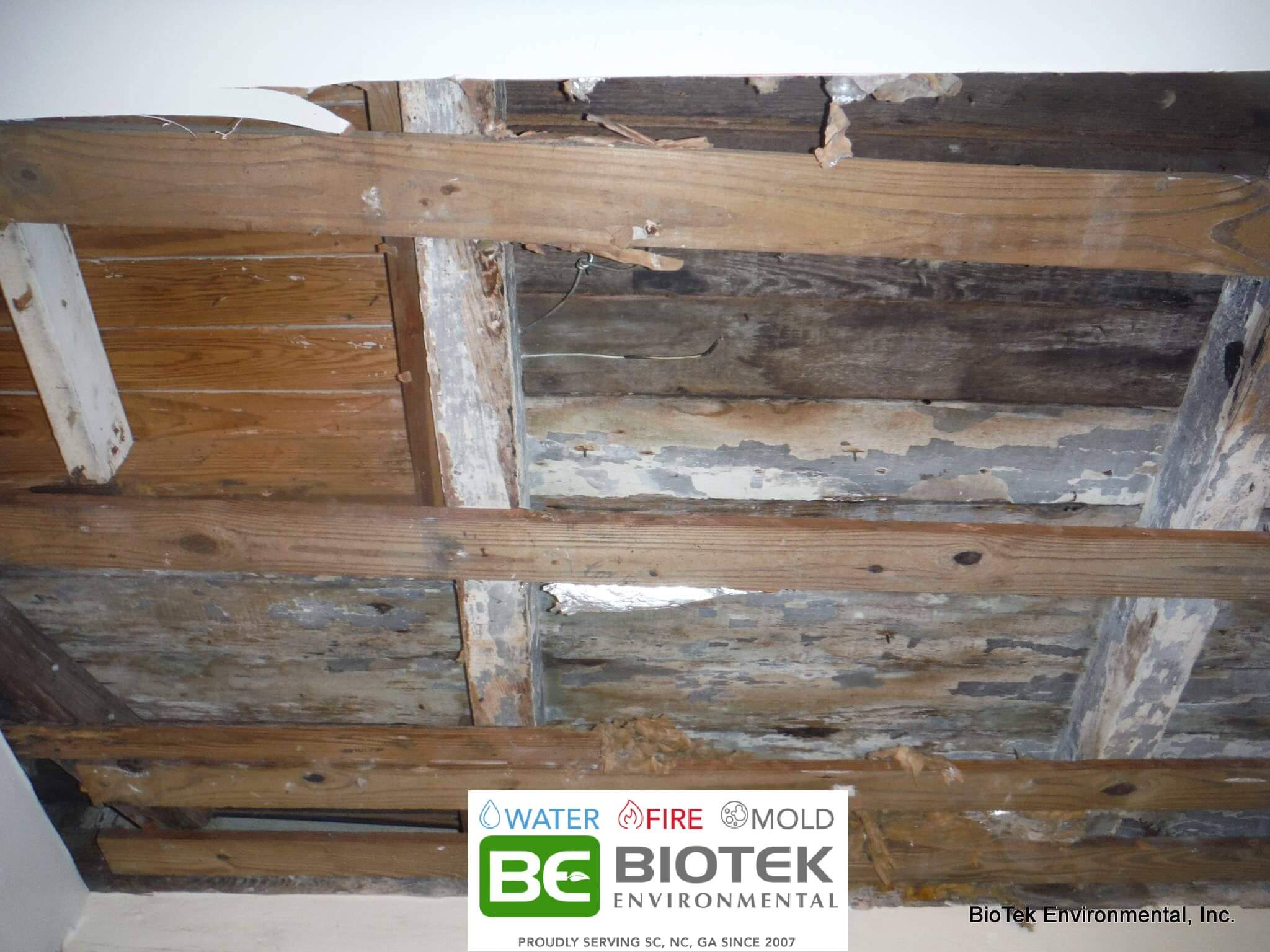
Water damage and mold often hide behind walls, under floors, and within ceilings. Leaks or damage in pipes, conduits, and water mains are frequently concealed inside walls. Mold tends to grow in moist, dark conditions, making hidden spaces ideal. Structural damage from water can also be hidden, affecting components like drywall, plaster, floor joists, subflooring, and ceiling tiles. Water can seep into the frames of windows and doors, causing warping that is not immediately obvious.
Signs of hidden mold or water damage might include a persistent musty odor or unexplained health symptoms like allergy symptoms, headaches, or dizziness when you are in the home. Mold can spread easily to the rest of your home through the HVAC system if it’s hidden in these areas. Water damage that is not contained quickly can lead to secondary damage throughout the home. As we have already mentioned, mold infestations can grow as quickly as 48 hours after water intrudes into a property.
Uncovering the Unseen: The Role of Professionals and Thermal Imaging
Identifying and locating hidden frozen pipes or leaks can be challenging. While visible signs like frost, ice, or bulges on exposed pipes might be present, many pipes are not visible. Reduced water pressure, toilets not refilling quickly, or unusual odors caused by frozen pipes preventing drainage can be other signs. If you have running water in one part of the house but not another, it could indicate a frozen pipe between those areas. However, accessing difficult-to-access pipes requires professional know-how and equipment.
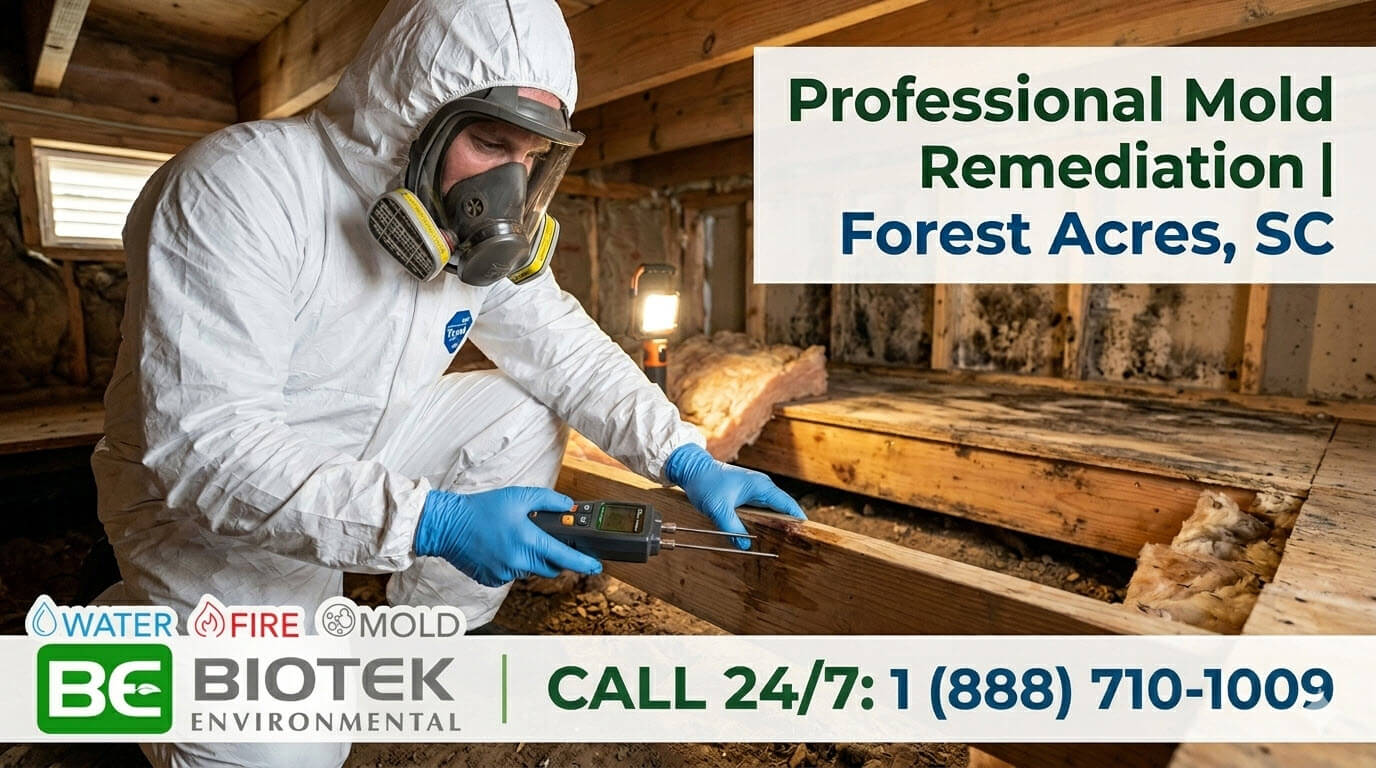
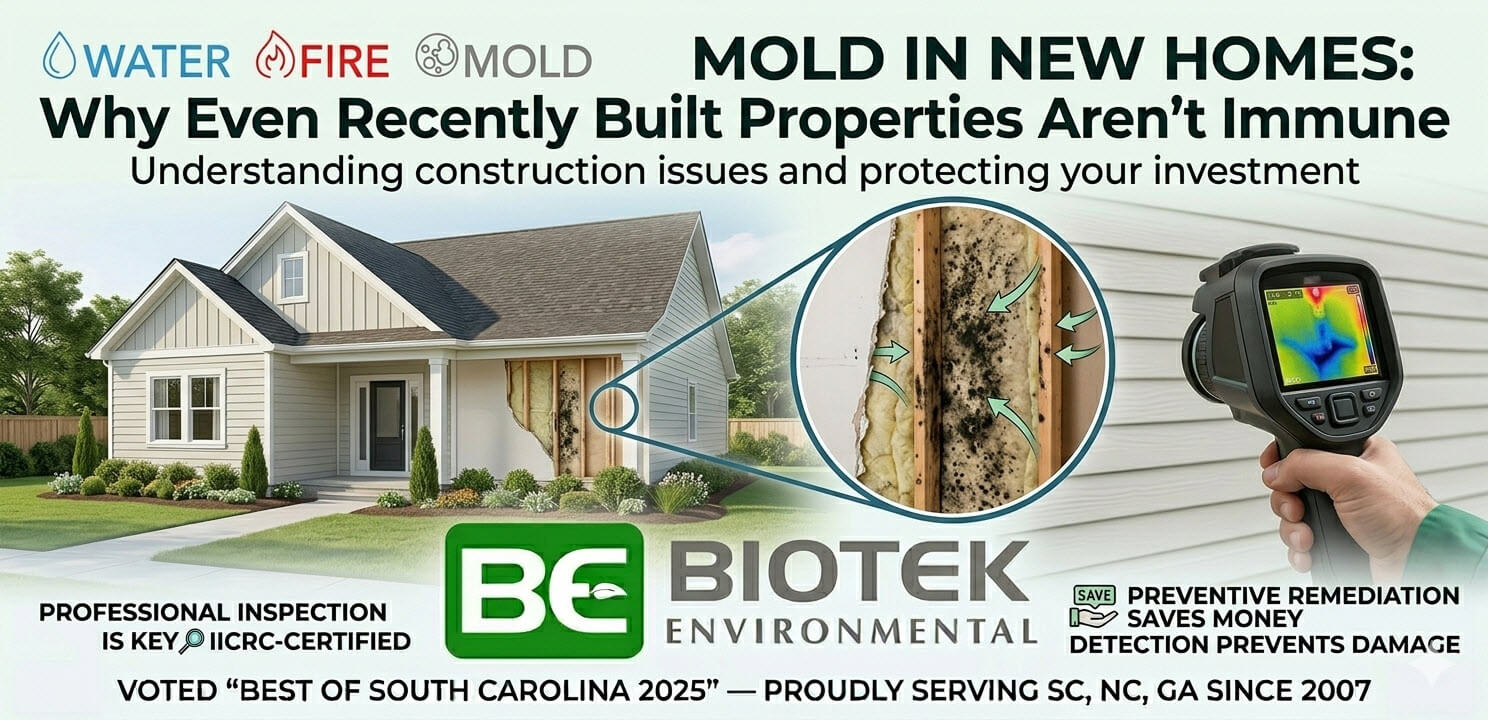
Since hidden leaks and damage may not be noticed immediately, the full scope of cleanup in water damage restoration procedures can be much more extensive than what is visible. Professionals like BioTek Environmental Inc. use specialized 3D thermal imaging cameras to find hidden leaks and damage without needing to tear apart walls. This technology helps locate hidden water intrusion and identify moisture sources, allowing professionals to see what might be causing or contributing to indoor mold growth. In addition to thermal imaging, experts use tools like moisture meters, infrared cameras, and hygrometers to determine the scope of water damage.

Seeking professional insight is recommended if you suspect a mold problem, especially in hidden areas. Professional mold inspectors have the necessary equipment and expertise for accurate assessment and can safely find and identify all types of mold, including concealed sources. For moldy areas over 10 square feet, the Environmental Protection Agency (EPA) recommends hiring a professional mold removal contractor. Professional water damage restoration services offered by local mold removal companies like BioTek Environmental are crucial for containing water damage, cleaning it up, and repairing it properly. Our specialists can evaluate the issue, identify the source of water damage, and use specialized techniques and equipment to ensure the area is properly dried out and any hazardous mold is removed.
Spotting Mold: Visual Clues and Musty Odors
Identifying mold in your home isn’t always straightforward, but there are key signs to watch for. The most obvious sign is visible growth, which can appear as spots or patches on surfaces. Contrary to popular belief, mold isn’t always black; it can show up in a surprising array of colors, including green, white, gray, orange, red, yellow, blue, purple, or brown. The color can sometimes hint at the type or age of the mold, but color alone is not a reliable identifier of species or danger level. Another strong indicator is a persistent musty, earthy, or mildew-like odor. This smell can be caused by the mold itself and the microbial volatile organic compounds (MVOCs) it releases as it grows. If you smell this odor, especially in a specific area, it’s a strong signal that mold is present, even if you can’t see it.
Understanding Mold Types and Their Textures
Beyond color and smell, the texture of mold can sometimes offer clues, though visual identification alone is not definitive. Some molds, like certain stages of Stachybotrys chartarum (often called “black mold”), can have a wet, slimy appearance. Other common household molds might look light and fuzzy. The texture can change as the mold ages or if its moisture source is removed; wet mold might become powdery or furry over time. For example, Penicillium often has a fuzzy texture22, while Ulocladium might look suede-like, and Fusarium can appear wooly or cottony. While observing these characteristics can help you notice mold, accurately identifying the specific species, especially toxic ones like Stachybotrys chartarum, requires professional testing using specialized instruments and laboratory analysis.
Why DIY Mold Removal Isn’t Recommended
When you discover mold, your first instinct might be to try cleaning it yourself. However, tackling mold without professional expertise can be risky and often ineffective. Simple cleaning methods or products like bleach may only address the surface growth, failing to eliminate the mold’s roots (hyphal projections) that penetrate into porous materials. Disturbing mold during cleaning can release massive amounts of spores into the air, potentially spreading the contamination to other areas of your home and increasing your exposure risk.
Furthermore, distinguishing between harmless molds and potentially toxic types based solely on appearance is challenging, and handling toxic mold without proper protective gear can be hazardous. Home testing kits are often unreliable for accurately identifying mold types or assessing the full extent of the problem, and their results may not be accepted by insurance companies.
Professional Mold Remediation: The Comprehensive Approach
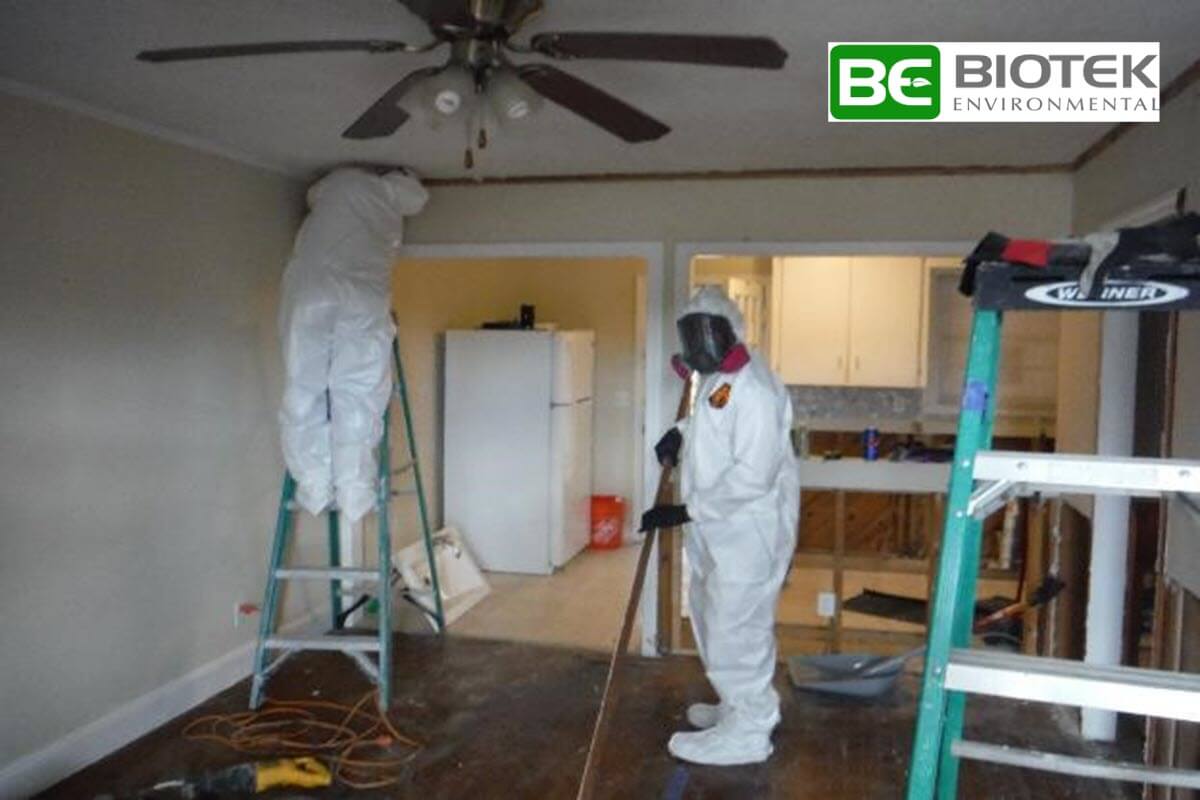
Effectively dealing with a mold infestation, especially one that covers a significant area or involves toxic species, requires a comprehensive process known as mold remediation. This isn’t just about cleaning; it’s about identifying the source of moisture, containing the affected area to prevent spores from spreading, removing contaminated materials safely, cleaning and sanitizing surfaces, and taking steps to prevent recurrence.
Professionals like BioTek Environmental use specialized equipment like HEPA filters and air scrubbers to clean the air and contain airborne spores during the process. They also have the expertise to find hidden mold and assess the full scope of the issue. Our trained technicians also utilize advanced, environmentally safe cleaning and oxidizing agents that penetrate porous materials to eliminate mold, not just on the surface but also where it grows deeply. Unlike methods using harsh chemicals like chlorine, these professional solutions effectively address mold while being safer and more environmentally friendly.
Long-Term Protection: Prevention and Biotek Environmental’s Role
Preventing mold growth is the most effective way to protect your home and health. The key, as we have already mentioned, is controlling moisture: regularly check for leaks, address any water damage immediately (within 24-48 hours if possible), maintain humidity levels below 50%, ensure proper ventilation in high-moisture areas, and fix any structural issues allowing water intrusion. After professional remediation, preventative measures recommended by experts are crucial. Companies like BioTek Environmental Inc. offer services beyond just remediation, such as moisture inspection and removal, indoor air quality solutions, and antimicrobial biostatic coatings. An antimicrobial biostatic coating forms a permanent bond on surfaces, inhibiting the growth of bacteria, fungi (including mold), and algae, providing residual protection. This layer of defense can be a valuable part of a long-term mold prevention strategy, especially after dealing with a significant mold issue.
Why Choose BioTek Environmental Inc. for Your Mold Needs
If you’re facing a mold problem in South Carolina, North Carolina, or Augusta, Georgia, choosing the right professionals is paramount. At BioTek Environmental Inc., we have been serving these regions since 2007, building a reputation for expertise and customer satisfaction. We offer 24/7 emergency service because we understand that water damage and mold issues require prompt attention. Our team consists of highly trained and certified professionals who use advanced technology, including oxidative mold remediation methods and tools like 3D thermal imaging to find hidden water.
Our approach is environmentally safe and effective, prioritizing your family’s health. We provide comprehensive mold inspection, testing, removal, and remediation services. We stand behind our work with the longest and most comprehensive warranties in the industry, including 30-year warranties on certain services, giving you peace of mind that the job is done right.
Contact BioTek Environmental Inc.
Don’t let mold compromise the health and safety of your home or business in South Carolina, North Carolina, or Augusta, Georgia. If you suspect mold or have experienced water damage, take action today. Contact BioTek Environmental Inc. for professional mold inspection, testing, and remediation services. Our certified experts use safe, effective methods and advanced technology to ensure your property is clean, healthy, and protected. Call us 24/7 at 888-710-1009 or visit our website to schedule a consultation. Trust BioTek Environmental Inc. to restore your peace of mind and safeguard your investment with our industry-leading warranties.
Frequently Asked Questions About Mold
Q1. Is all black mold dangerous?
Not all mold that appears black is the toxic Stachybotrys chartarum. Many types of mold can be black or dark-colored. However, Stachybotrys chartarum is considered particularly dangerous because it produces harmful mycotoxins. It’s impossible to identify dangerous mold solely by its appearance; professional testing is needed.
Q2. What are the common health symptoms of mold exposure?
Symptoms can vary but often include allergic reactions like sneezing, coughing, runny nose, itchy eyes or skin. Exposure can also cause respiratory issues, headaches, and fatigue. Those with allergies, asthma, or weakened immune systems are more susceptible.
Q3. What is mold remediation?
Mold remediation is the comprehensive process of addressing a mold infestation. It involves finding the moisture source, containing the area, safely removing mold and contaminated materials, cleaning and sanitizing, and taking steps to prevent future growth. The goal is to return mold levels to normal, healthy conditions.