Freezing weather is currently sweeping across a huge part of the United States, including South Carolina, North Carolina, and Georgia. For many people living in the South, this kind of extreme cold is a major shock because many homes here were not built to handle temperatures that stay below freezing for a long time. This means water pipes are often tucked away in unheated areas like crawl spaces, attics, and exterior walls where they are very likely to freeze and burst.
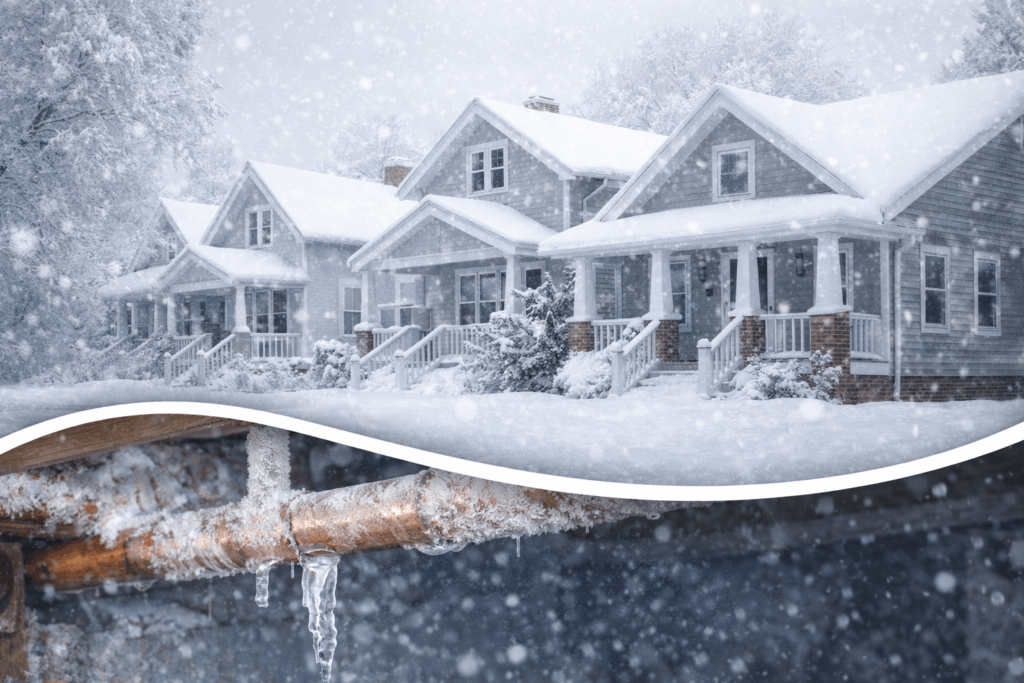
When water inside a pipe freezes, it turns into ice and expands. This creates massive pressure inside the plumbing system. Eventually, that pressure has to go somewhere, and it usually causes the pipe to crack or pop at its weakest point. Even a tiny crack can leak up to 250 gallons of water in a single day, leading to flooded rooms, ruined furniture, and a high risk of mold growth. Understanding how to protect your home now can save you thousands of dollars in repairs later.
Understanding Why Pipes Freeze in the South
In states like South Carolina and Georgia, we don’t always have the heavy insulation in our walls and attics that people in the North use. Our water lines often run through unheated garages or basements. When a sudden cold snap hits, the water temperature inside these pipes can quickly fall below 32°F.
One thing only an expert will tell you is that it isn’t just the ice itself that breaks the pipe; it is the pressure buildup between the ice blockage and the closed faucet. As the ice grows, it pushes the remaining water toward the faucet. If there is nowhere for that water to go, the pipe bursts.
How to Spot a Frozen Pipe Before It Bursts
You need to know the early warning signs so you can act before you have a flood on your hands.
- No Water Flow: If you turn on your kitchen or bathroom faucet and only a few drops come out, or nothing at all, you likely have a frozen line.
- Visible Frost: If you can see your pipes in the basement or crawl space and they are covered in frost or ice, they are frozen.
- Bulging Pipes: Look closely at the shape of the pipe. If it looks like it is “swelling” in one spot, that is a sign that ice has expanded inside and the pipe is about to break.
- Strange Smells: Sometimes, a frozen pipe prevents drains from working, causing a musty or putrid odor to back up into the house.
Proactive Prevention: The “Do-It-Now” List
If the freezing weather is already here, you must take these steps immediately to keep your water running.
Insulate Vulnerable Pipes
Use foam sleeves, fiberglass, or even thick towels to wrap any pipes located in unheated areas. Pay special attention to pipes in the attic, crawl space, and garage.
Let the Faucets Drip
This is one of the simplest ways to prevent a burst pipe. By letting both the hot and cold faucets drip slightly, you keep water moving through the system and, more importantly, you relieve the pressure that builds up between the ice and the faucet.
Open Cabinet Doors
In the kitchen and bathroom, open the doors under the sinks. This allows the warm air from your heater to reach the pipes that are normally hidden in the dark, cold cabinets against exterior walls.
Set the Thermostat
Never turn your heat off completely when it is freezing outside, even if you are leaving the house. Keep your thermostat set to at least 55°F at all times to ensure the interior of the walls stays warm enough to prevent freezing.
The Expert’s Way to Thaw a Frozen Pipe Safely
If you find a frozen pipe, you can try to thaw it, but you have to be very careful. Never use an open flame like a blowtorch, as this presents a massive fire risk and can cause the pipe to burst from steam pressure.
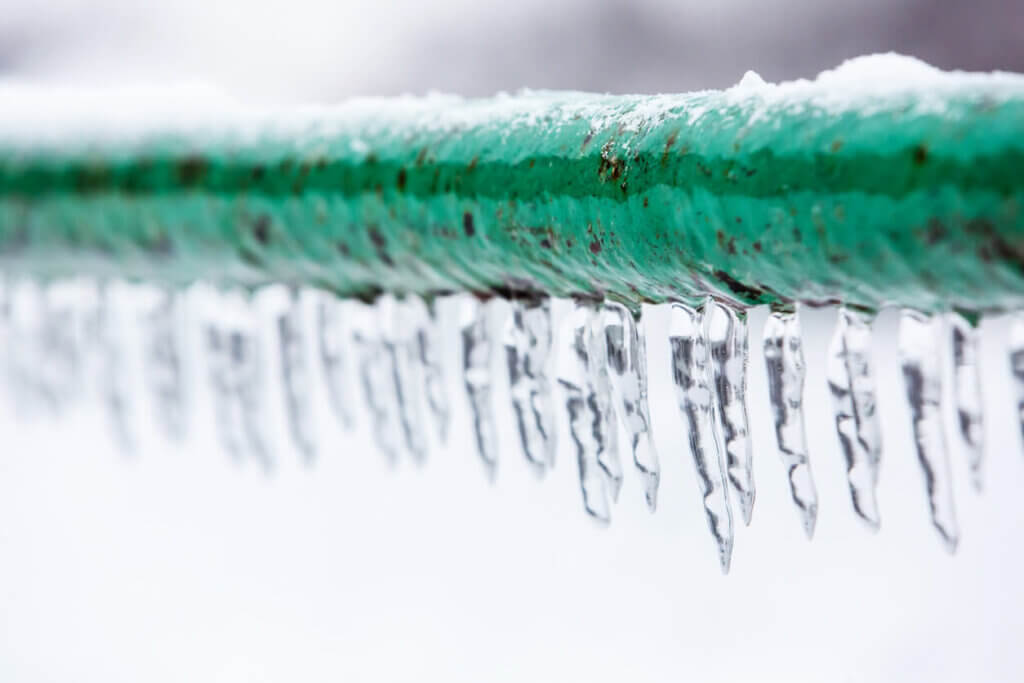
- Open the Faucet: Before you start heating the pipe, open the faucet it is connected to. This allows the melted water to escape as you work.
- Apply Gentle Heat: Use a hairdryer on a low setting, a space heater, or even towels soaked in hot water.
- Start at the Faucet: Always begin the thawing process at the end of the pipe near the faucet and work your way back toward the frozen clog. This ensures that as the ice melts, the water has a way to get out.
- Know Your Pipes: If you have PVC pipes, do not use a heat gun, as it can melt the plastic.
What to Do If a Pipe Actually Bursts
If the worst happens and you hear a pipe pop or see water flooding into your home, you must move fast.
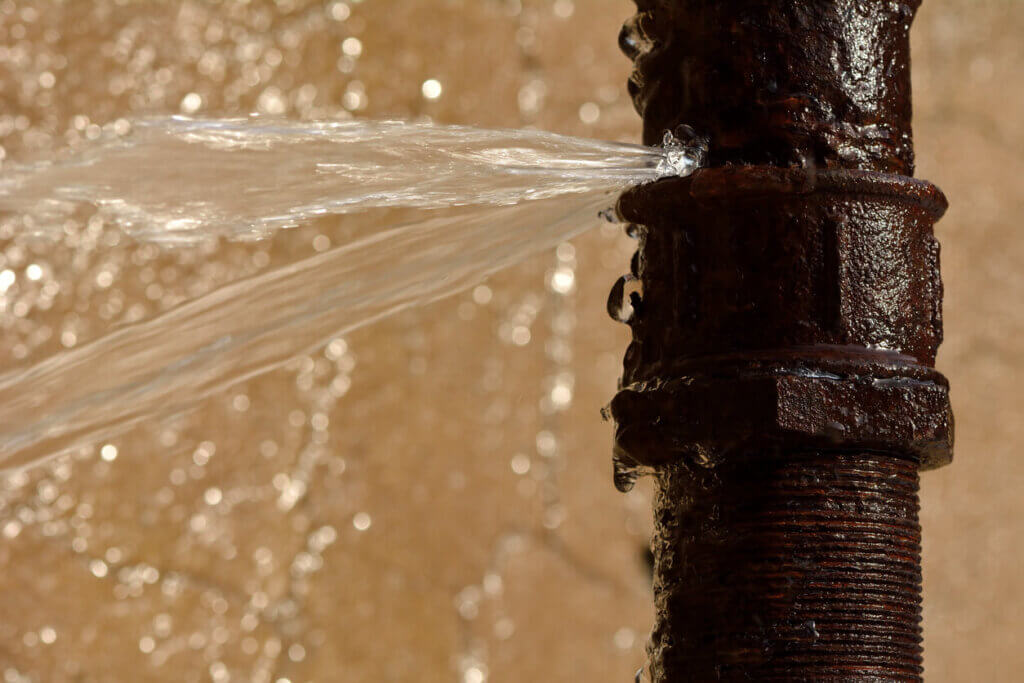
- Shut Off the Water: Immediately turn off the main water valve for your entire house. This stops the flow and prevents more damage.
- Turn Off Electricity: If water is near outlets or electrical panels, shut off the power at the breaker box. Do not stand in water while doing this.
- Call the Professionals: Contact a specialized water damage restoration company like BioTek Environmental Inc. immediately. We offer 24/7 emergency response and can usually be on-site within a few hours to start the drying process.
The Professional Recovery and Remediation Process
Fixing a burst pipe isn’t just about repairing the plumbing; it’s about water damage restoration. If you don’t remove all the moisture, it will cause structural damage and mold.
Water Removal and Extraction
Professionals use high-volume water vacuums and portable flood pumps to get standing water out of your home as quickly as possible.
The Drying Phase
This is the most important part of the job. Experts use industrial air movers and special dehumidifiers to pull moisture out of the air, the drywall, and the floors. BioTek also uses thermal imaging cameras to find “hidden” water that has soaked into the insulation behind your walls without you knowing it.
Sanitization and Mold Prevention
Water from pipes can lead to mold in as little as 24 to 48 hours. BioTek uses Clean, Green Restoration methods, including Oxidative mold remediation. This process uses environmentally safe chemistry to destroy mold and denature fungal proteins, making your home healthy again without using harsh poisons or chlorine.
How to Avoid the “Storm Chaser” Trap
After freezing weather causes widespread damage, “storm chasers” often appear. These are out-of-town contractors who travel to disaster areas to make a quick buck and then disappear.
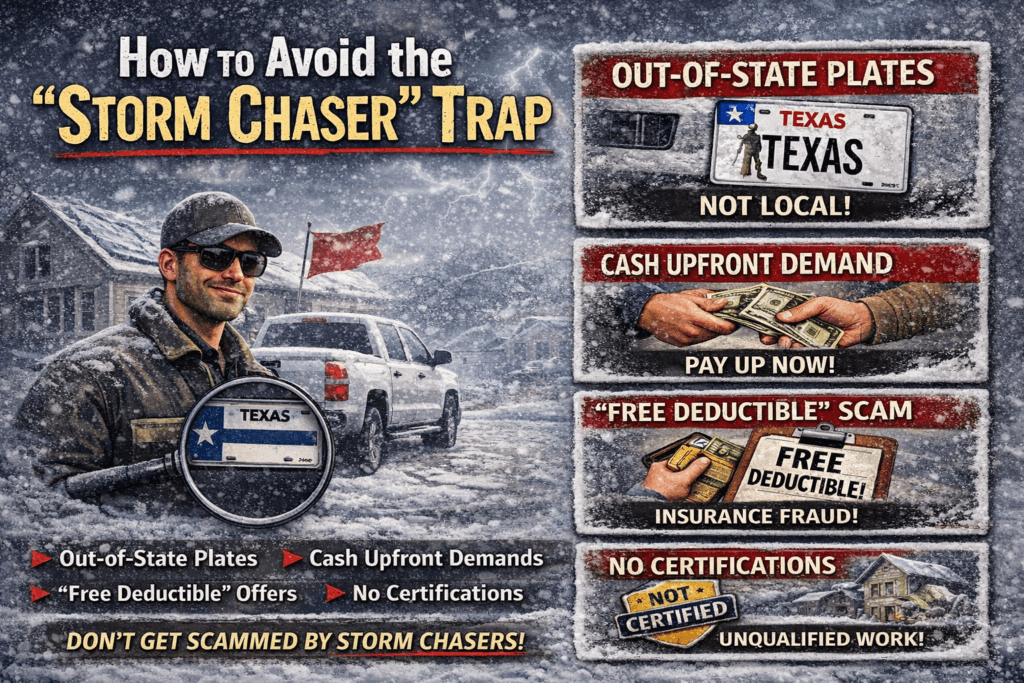
To protect yourself, watch for these red flags:
- Out-of-State Plates: If their truck doesn’t have a local license plate or they don’t have a local office and phone number, be careful.
- Asking for Cash Upfront: Never pay for the whole job in cash before it starts. A reputable company will accept credit cards or checks.
- The “Free Deductible” Scam: If a company offers to pay your insurance deductible, this is insurance fraud.
- No Certifications: Always ask to see their IICRC or CMRS certifications. If they aren’t certified, they may do a bad job that leads to mold later.
Why BioTek Environmental Inc. is the Best Choice
When you have a water emergency, you need someone you can trust. BioTek Environmental Inc. has been serving South Carolina, North Carolina, and Georgia since 2007. We were voted “Best of South Carolina” in the Restoration Contractor category for 2024 and 2025.

We prioritize your health by using non-toxic, eco-friendly products that are safe for your family and pets. Because we believe in the quality of our work, we offer one of the best and most comprehensive 30-year warranties in the industry. Whether it is a burst pipe at 3:00 AM or a mold issue in your basement, we are here for you 365 days a year.
Contact Us Today

Stay safe and warm and don’t let a winter emergency compromise your home’s safety or value! Whether you are facing a burst pipe at midnight or suspect hidden moisture in your walls, act fast to prevent structural damage and mold growth. Contact BioTek Environmental Inc. today online or call us at (866) 630-7340 for expert emergency response and permanent peace of mind!