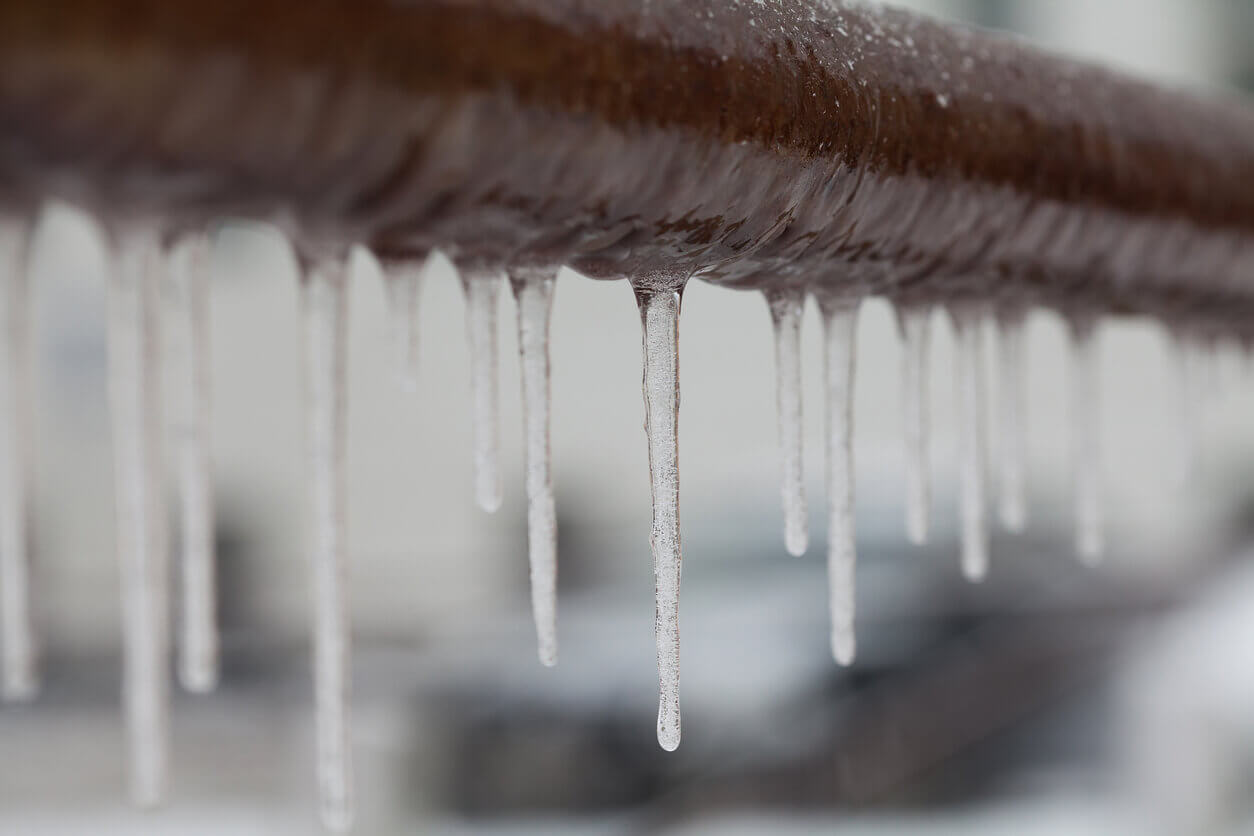
Unfortunately, ice storms and freezing temperatures are becoming more frequent during winter in Columbia, South Carolina, and the Midlands area. Freezing temperatures could mean frozen water pipes. According to State Farm Insurance, about 250,000 homes throughout the U.S. have at least one room damaged by frozen water pipes during winter. In fact, they paid more than $472 million in damages to policyholders for frozen pipes claims in 2021. If you do experience this situation, it would be handy to have an idea about thawing your frozen water pipes before they burst and result in costly damages.
Identifying or Locating Frozen Pipes
The easiest way to determine where you might have a frozen pipe is to identify faucets or other plumbing fixtures that don’t work (e.g. kitchen faucet, shower). In addition, look for pipes that may be coated in frost or bulging. You can also tap on pipes with a metallic object or tool and listen for a solid sound that indicates that your pipe is frozen. Naturally, if touch a pipe and you notice that there are spots that are extremely cold, it is likely that it is frozen.
How to Thaw Frozen Pipes
Protect Your Home from Possible Flooding
The first thing to do before attempting to thaw frozen pipes is to shut off the water supply to that section of pipe or, if possible, shut off the water supply to your entire house. You should also turn on the faucets that the frozen pipe is connected to so that you can relieve pressure in the system and enable the water to escape when you begin to thaw the frozen pipe.
These initial actions are very important because the serious issues begin after the water pipes are thawed. This is because, In cases where there is damage to your water pipes, the frozen water may be preventing water from leaking out. Therefore, once you thaw the pipe, you may have a flooding issue. Consequently, it’s also recommended that you are prepared to mop up any water that may leak out of your thawed pipes.
Where to Begin Thawing
It’s advisable to begin thawing a pipe near the faucet and continue the thawing towards the blockage. By doing so, the melted water and steam will be able to exit through the open faucet. If you begin thawing the pipe at the point of the blockage, the melted ice could get trapped behind another blockage point. The water and steam build-up could create pressure in the pipe which can damage it and result in a leak or flooding.
Methods to Thaw Frozen Pipes
The safest way to thaw frozen pipes is to you notify professionals. This way, you can be sure the job will be done correctly by individuals who have the experience, skills, and tools to minimize the likelihood of damages and help you get the water properly running in your home as soon as possible. Nonetheless, if you decide to try to thaw your frozen pipes there are several actions you can take.
“Tools” to Help You Thaw Frozen Pipes
In order to thaw frozen pipes, you may need a space heater, heat lamp, hairdryer, heat gun, towels soaked in hot water, or thermostatically controlled heat tape. Do not attempt to thaw pipes using a blowtorch since an open flame presents a fire risk and too much heat can cause a pipe to burst due to the pressure from the steam build-up. Likewise, don’t pour hot water over frozen pipes or down frozen drains as the sudden change in temperature could burst the pipes. Also, don’t use electric heating pats as there is the possibility of electric shock. In fact, if you are using anything that is plugged into an electric outlet, make sure there is no water around which could result in an electric shock.
Thawing Process
Hairdryer and Heat Gun
If you have an exposed water pipe and choose to use a hairdryer or a heat gun, you should set the hot air at a low setting. Similarly use a heat lamp or space heater device that can provide gentle warm air that will result in a gradual thawing.
When you are thawing the frozen pipe using a hairdryer or a heat gun, you should run the hairdryer back and forth along the pipe. You should keep them moving and do not be tempted to place them directly against the pipe since a sudden change in temperature can burst it. Please note that you shouldn’t be using a heat gun if your water pipes are made of PVC since they can be damaged – this also applies to water valves or anything with plastic or rubber parts.
Thermostatically Controlled Heat Tape
If you decide to use heat tape, then wrap the tape in a single layer or a spiral pattern around the length of the frozen pipe. Make sure you plug it into an electrical outlet that is not near water to avoid the possibility of an electric shock.
Heat Lamp and Space Heater
Using a heat lamp or space heater you can provide constant and mild heat to thaw your frozen pipes but you must make sure these heating devices are positioned where the heat can reach the frozen pipe – it may be necessary to move them periodically. As with any device you need to plug into an electrical outlet, make sure you take the right precautions and avoid exposing them to water.
Wet Hot Towels
Wet hot towels are a safe but slow way to thaw frozen pipes. You have to dip the towels in hot water and wrap them around the frozen pipes. It’s a little laborious but it is the safest method to thaw frozen pipes.
Thawing Difficult-to-Access Pipes
It’s not always the case that we can easily see or have access to frozen pipes. These difficult-to-access pipes should be dealt with by professionals who have the right equipment and know-how. However, there are some actions you can take to help thaw inaccessible pipes.
The simplest action to take is to turn up your central heating to increase the temperature everywhere within your home. Another option is to use infrared lamps If you know where the frozen pipe is located. By placing the lamp in front of the spot of the wall where the frozen pipe is located, the heat may reach the pipe and melt the ice blockage. The third option is a little costly, especially if you are not very good at DIY projects. If you are sure where the frozen pipe is located, you can cut out the section of the drywall in front of the frozen pipe so you can gain access to it.
Contact BioTek Environmental for Professional Help
We hope these tips will help you avoid issues more serious flooding issues and bursting water pipes during cold weather conditions. However, if you do have issues with your pipes bursting, you can depend on Biotek Environmental, Inc. to provide you with professional water damage restoration services in Columbia, Greenville, and Spartanburg, SC. We can give you peace of mind, and also save you money on water damage and flood repair. We will work diligently to protect your home and family from the serious health risks of water damage. Call us toll-free at 866-630-7340 any time of the day or night, 365 days a year, or contact us online now.