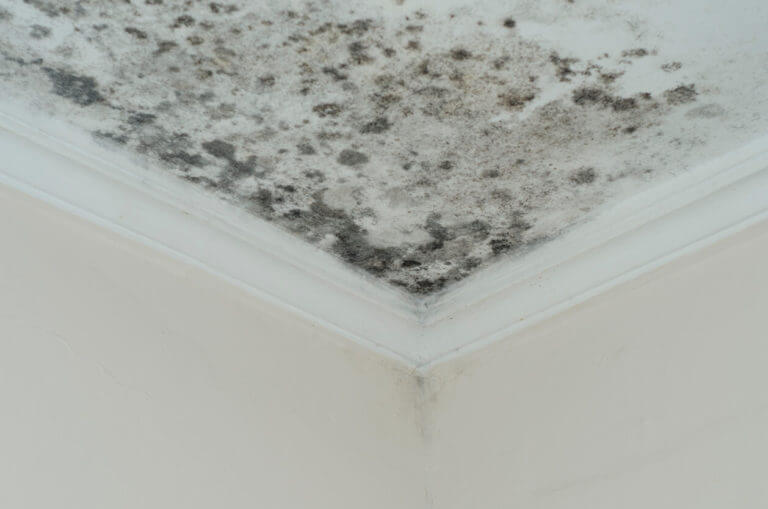
At BioTek Environmental in Columbia, SC, we understand the frustration that comes with recurring mold problems. Many homeowners believe a quick scrub or a coat of paint will solve the issue, only to find the unsightly, musty growth reappearing. It’s incredibly frustrating when you deal with a mold problem, only to see it return weeks or months later. Many homeowners clean visible mold, hoping it’s a one-time fix, but mold often has deeper roots. However, the underlying issues that allowed the mold to grow in the first place were not fully addressed.
Understanding why mold persists and how to truly eliminate it is key to protecting your home and health. We will explain why mold persists and how a thorough, expert approach can stop it for good.
Understanding Mold: More Than Just a Stain
Mold is a type of fungus, and it’s naturally present almost everywhere, both indoors and outdoors. You might encounter thousands of different mold species in the world, with estimates ranging from tens of thousands to over three hundred thousand. It doesn’t just grow on surfaces; it can penetrate into porous materials like wood, fabric, paper, drywall, and even under carpets.
What you often see as a visible discoloration or stain is just a small part of a larger mold colony. Mold can appear in a wide variety of colors, including black, green, gray, white, yellow, or even pink, red, and purple, and its texture can be velvety, fuzzy, or rough depending on the type and conditions. The color of mold alone does not indicate its type or danger.
Mold’s Preferred Environment: Moisture is Key
Mold spores are microscopic and travel through the air, often entering your home on clothing, shoes, or through open windows and doors. These spores generally don’t cause problems unless they land in an environment with excessive moisture and a steady supply of nutrients. Mold thrives in warm, damp, and humid conditions, such as those found in basements, bathrooms, and kitchens.

Even when you keep windows and doors closed in winter, the warm, moist air in your home can lead to mold growth in unexpected places, including your bedroom. Mold can begin growing rapidly, sometimes within just 24 to 48 hours, after water enters your property from sources like burst pipes, leaks, or floods.
The Hidden Nature of Mold
You might not always see mold, as it often grows in hidden, moist, and dark places like basements, attics, or behind drywall, stucco, and siding. Often, the first sign of a hidden mold problem is a distinctive musty or earthy odor. This smell isn’t just the mold itself; it’s also produced by microbial volatile organic compounds (MVOCs) released during its growth stages. If you notice this odor without visible mold, it’s a strong indicator that mold is present, possibly hidden inside a wall or behind large pieces of furniture like refrigerators or bookshelves. Relying solely on your eyes can be deceiving, as what appears to be a simple stain or dirt might actually be mold.

Why Mold Keeps Returning: Unaddressed Root Causes
One of the biggest reasons mold problems reappear is that the initial “fix” only dealt with the visible mold, not the underlying cause. It’s like pulling a weed but leaving its roots; it will just grow back. According to research, approximately 50% – 70% of homes in the United States experience mold issues, highlighting how common and persistent this problem can be if not handled comprehensively.
Lingering Moisture Issues
Mold requires moisture to grow. If the source of moisture is not completely eliminated, the mold will simply return. This could be from a hidden plumbing leak, cracks in your foundation allowing water intrusion, a consistently humid basement, HVAC system issues, or even condensation on poorly insulated pipes and around windows during temperature changes.
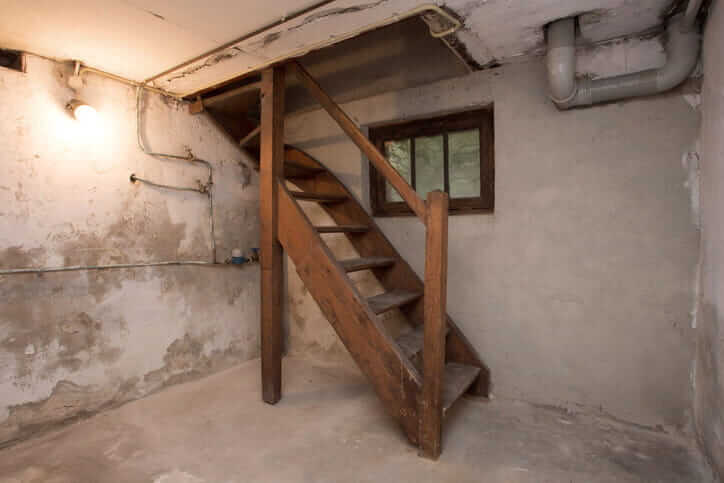
For example, air-drying clothes in the basement can significantly increase humidity levels, creating an ideal environment for mold. What’s more, if there was water damage that wasn’t thoroughly dried and all water issues addressed, mold can and often will reappear, sometimes within just a few days. This is why immediate response to any water damage, including shutting off the water supply and beginning the drying process, is critical to prevent secondary damage and mold growth.
Incomplete Removal of Mold
Many people try to clean mold with household products or by scrubbing visible patches. However, mold extends deep into porous surfaces through root-like structures called hyphal projections. Simply wiping the surface or even sanding it won’t remove this microscopic subsurface growth. In fact, abrasive methods like sanding or media blasting can drive mold spores and fungal fragments deeper into the surface and aerosolized contamination, potentially spreading the problem to other areas.
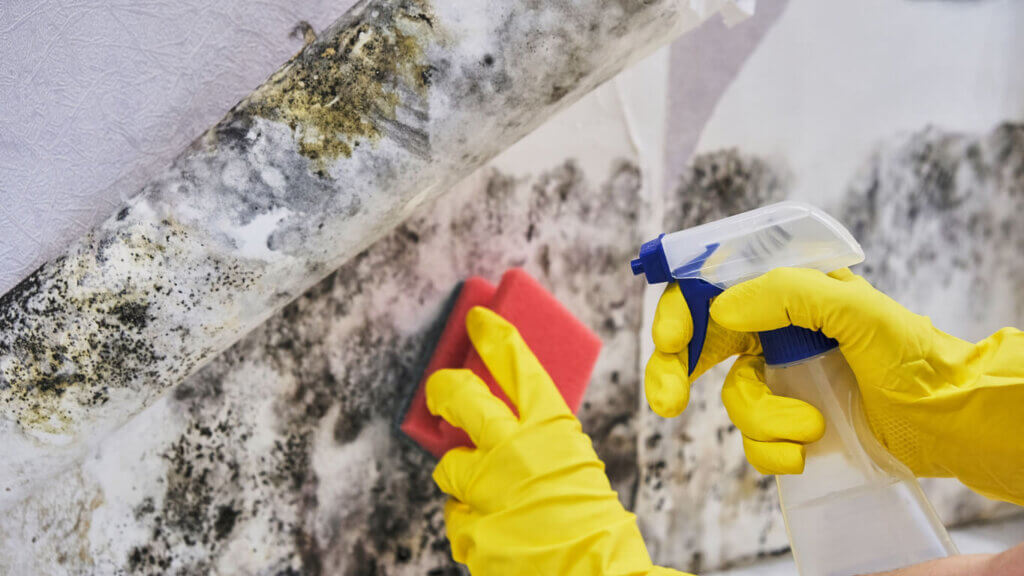
Products like chlorine, pesticides, or poisons are only effective on hard, non-porous surfaces and only on actively growing microorganisms; dormant spores hiding in porous materials remain unaffected by these chemicals. This means that while the surface might look clean, viable spores are still there, ready to grow when conditions are right. The Environmental Protection Agency (EPA) and OSHA have even issued warnings against using biocides and chlorine for mold remediation due to their limitations and potential dangers.
Poor Ventilation and Humidity Control
High humidity levels provide the perfect breeding ground for mold. If your home lacks proper ventilation, especially in moisture-prone areas like bathrooms, laundry rooms, and kitchens, excess moisture can accumulate. Maintaining indoor humidity levels under 50% and temperatures between 68°F and 72°F is crucial for preventing mold growth.

Basements, in particular, often suffer from poor ventilation, darkness, and high moisture, allowing mold to proliferate easily. Installing dehumidifiers can help control humidity, and ensuring effective air conditioning and filtration systems are coupled with good ventilation in key rooms will minimize moisture and improve indoor air quality. Without addressing these environmental factors, mold will simply find a way back.
Professional Mold Remediation: The Comprehensive Solution
To truly stop mold from returning, a comprehensive approach known as mold remediation is essential. This process goes far beyond just cleaning or removing visible mold. It involves a series of steps designed to eliminate the mold at its source and prevent its future return. The Environmental Protection Agency (EPA) recommends that any moldy area over 10 square feet should be handled by a professional mold removal contractor.
The Importance of a Thorough Inspection
The first critical step is a detailed mold inspection or testing to fully understand the extent of the problem, especially since mold can be hidden from view. Professionals use specialized tools like thermal imaging cameras, moisture meters, and air sample collection to detect hidden leaks, assess moisture levels behind walls and under floors without tearing things apart, and identify specific mold types and concentrations.

This scientific data is vital for developing an effective remediation plan. As seasoned professionals, we often tell clients that what they see on the surface is just the tip of the iceberg; a proper inspection uncovers the true scope of the mold infestation.
Containment and Air Filtration
Once mold is identified, the work area must be contained to prevent cross-contamination to other parts of your home. This is typically achieved using plastic sheeting and negative air pressure machines to isolate the contaminated zone. During remediation, mold spores can become airborne and easily spread. Therefore, air filtration systems, such as those with HEPA filters, are used to capture these microscopic mold spores and improve indoor air quality. This step is vital because even after visible mold is gone, lingering spores can cause health issues, as surfaces can be exonerated of mold, but the air may still contain spores.

Advanced Cleaning and Decontamination
The core of remediation involves killing and removing the mold, often requiring the demolition and removal of contaminated porous surfaces like drywall or wooden paneling. Unlike traditional methods, which might use harsh chemicals like chlorine or pesticides that are only effective on actively growing surface mold and can leave dangerous residues, advanced methods focus on breaking down fungal proteins and deeply penetrating surfaces.
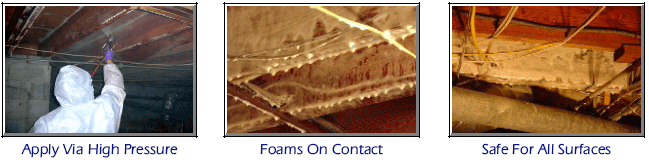
At BioTek Environmental, Inc., we use Oxidative mold remediation, an environmentally safe process designed to address bio-contamination effectively. Our proprietary OSC-500 product, for example, oxidizes mold growth and surface stains, and its powerful surfactants ensure deep penetration into cracks, crevices, and porous surfaces where other methods cannot reach. This chemistry quickly digests fungal proteins, lipids, and carbohydrates common among microorganisms, converting them from hyper-allergenic to hypo-allergenic components, which is crucial for addressing health concerns.
This process is proven to be the safest and most effective protocol for fungal remediation, often reducing overall remediation time by 50% and costs by 25% compared to traditional methods. After structural cleaning, all mold-infested items like furniture and window coverings are sanitized, and specialized equipment is used for deodorization to eliminate musty odors. To further protect against future growth, an EPA-registered biostatic mold inhibitor may be applied.
Preventing Future Mold Growth: Long-Term Strategies
The best defense against recurring mold is to control the conditions that allow it to grow. This involves a combination of ongoing maintenance and smart choices for your home.
Maintaining Optimal Indoor Conditions
One of the simplest yet most effective ways to deter mold is to keep your indoor humidity levels and temperatures at recommended levels. Using dehumidifiers to control your basement’s humidity and ensuring proper ventilation in bathrooms, laundry rooms, and kitchens is crucial for removing excess moisture. Also, opening kitchen and bathroom cabinet doors, especially under sinks and faucets, allows warm air to reach potentially frozen or damp pipes, helping prevent condensation and subsequent mold growth.
Addressing Water Leaks Promptly
Since mold can grow within 24-48 hours of water intrusion, a quick response to any water leak is vital. Regularly check for leaks in pipes, around windows, and in your roof. Clean your gutters regularly to prevent water backup that can damage foundations and walls. Even seemingly minor issues, like a leaky faucet or a crack in your basement foundation, can introduce enough moisture for mold to flourish.

As mold experts, we’ve seen countless cases where a minor leak turned into a major mold headache because it was ignored for too long. If you suspect a burst pipe, immediately shut off the water supply to minimize damage.
Smart Material Choices
When renovating or making repairs, consider using materials that are less hospitable to mold. For instance, choosing hardwood or ceramic flooring tiles instead of carpeting in areas prone to moisture can make cleaning more effective and reduce allergen buildup, as hardwood is much easier to clean effectively. While some carpet materials are made from fibers like olefin which dry quickly and can be resistant to mold and cleaning chemicals, ensuring quick drying is always beneficial.
Choosing the Right Mold Remediation Partner
Given the complexities and potential health risks associated with mold, professional help is often the best approach. Do-it-yourself products are generally not as effective and don’t provide guarantees against recurrence. When choosing a mold remediation company, ensure they are reputable and qualified.
Look for companies that:
- Are licensed, bonded, and insured in your state.
- Are certified professionals in mold inspection and remediation, such as IICRC approved, indicating adherence to industry best practice standards.
- Have extensive experience and a strong local reputation, with positive reviews and references. For example, BioTek Environmental, Inc. has been serving South Carolina, North Carolina, and Georgia since 2007, has an “A+” rating with the Better Business Bureau, and has won multiple Angie’s List Super Service Awards and the Best of South Carolina award.
- Offer 24/7 emergency services for quick response, as BioTek Environmental, Inc. does, aiming to be on-site within hours (not days) of a call.
- Provide clear communication about the scope of work, estimated costs, and timeline for completion, keeping you informed every step of the way.
- Use EPA-registered and environmentally safe chemistries for remediation, ensuring safety for your family and pets. BioTek Environmental, Inc. prides itself on its “Clean, Green Restoration” methods.
- Offer comprehensive warranties on their services. BioTek Environmental, Inc., for example, provides one of the best and most comprehensive warranties in the industry, including a 30-year industry-leading warranty on some services. As mold remediation experts, we can assure you that a solid warranty reflects a company’s confidence in their work and commitment to long-term results.
Frequently Asked Questions About Mold Problems
Q1. What is the most dangerous type of mold?
While all molds can cause health issues, Stachybotrys chartarum, often called “black mold” or “toxic black mold,” is considered one of the most dangerous because it produces toxins called mycotoxins. Exposure to black mold can lead to serious health problems like chronic respiratory disease, neurological issues, chronic fatigue, headaches, skin irritation, and internal organ damage. It can also affect household pets, causing skin irritation, respiratory illness, and open sores.
Q2.Can I remove mold myself with bleach?
Using bleach or other household cleaners is generally not recommended for effective mold removal, especially for larger infestations or porous materials. Bleach is often only effective on hard, non-porous surfaces and doesn’t penetrate to kill the mold’s “roots” (hyphal projections) in porous materials. It can also spread spores and worsen the problem, and may not denature fungal proteins, leaving allergenic contaminants behind. Professional remediation uses specialized, often environmentally safe, methods that penetrate surfaces and address fungal proteins for a complete solution.
Q3. How do I know if the mold problem is truly gone?
A professional mold remediation company will typically conduct a post-remediation inspection to confirm that the remediation was successful. This often involves re-testing the air and surfaces to ensure mold levels are back to normal and that the source of moisture has been fully resolved. If the musty odor returns, or if new discoloration appears, it indicates the problem was not fully resolved, and further action may be needed.
Q4. What’s the difference between mold and mildew?
Mildew is actually a type of mold that typically appears white or gray and grows on surfaces. Both require moisture to grow and similar prevention strategies work for both.
Contact BioTek Environmental Inc. 24/7 365 Days a Year
Don’t let recurring mold problems compromise your home or health. At BioTek Environmental Inc., we provide comprehensive, effective mold remediation services designed to address the root cause and prevent future growth. Our team of certified professionals uses EPA-registered and environmentally safe chemistries, backed by industry-leading warranties, to restore your property safely and efficiently.

Contact BioTek Environmental Inc. today at 1 (888) 710-1009 or by completing our brief online contact form for a professional mold inspection and remediation service. Reclaim your property and peace of mind!