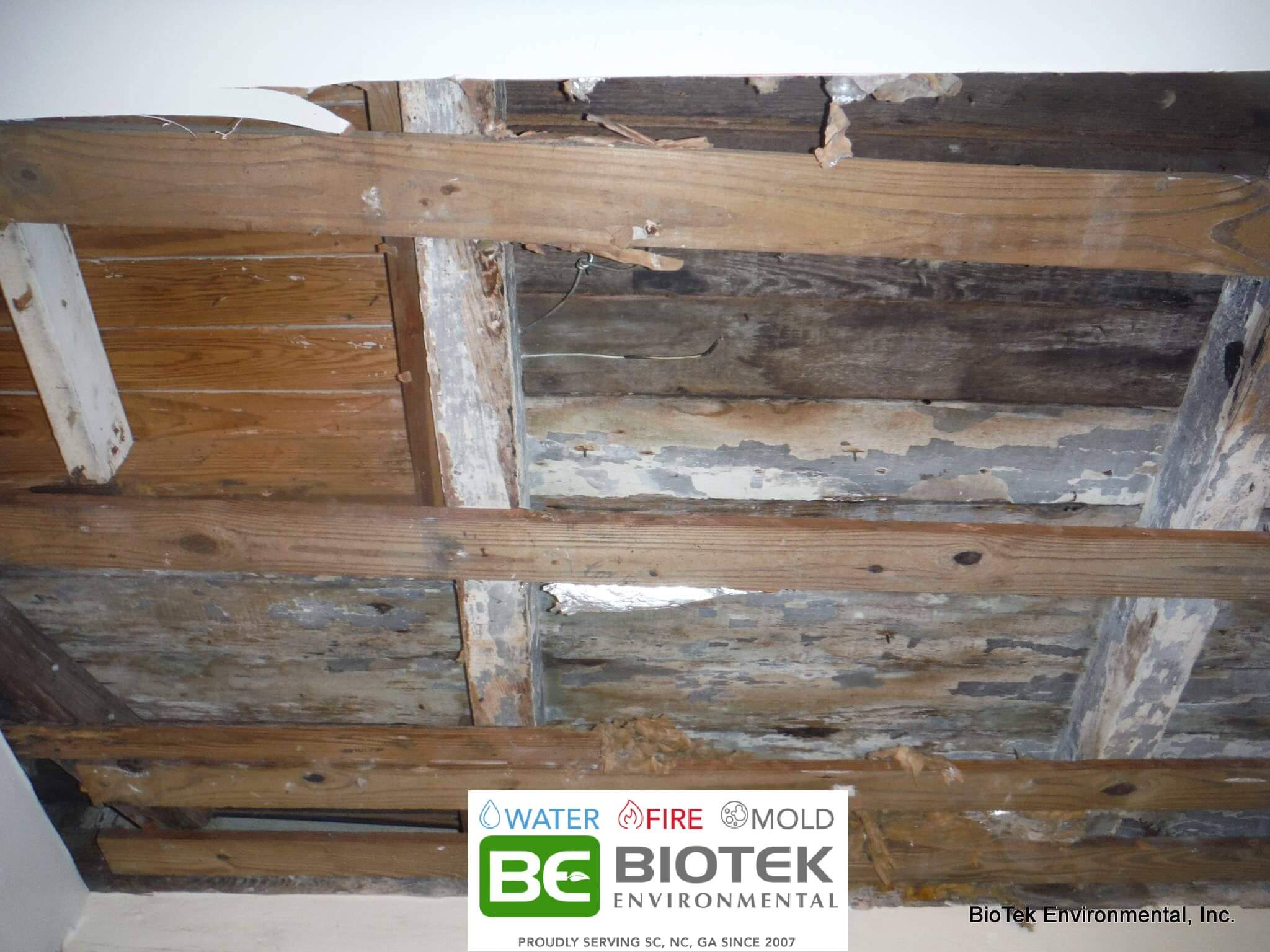
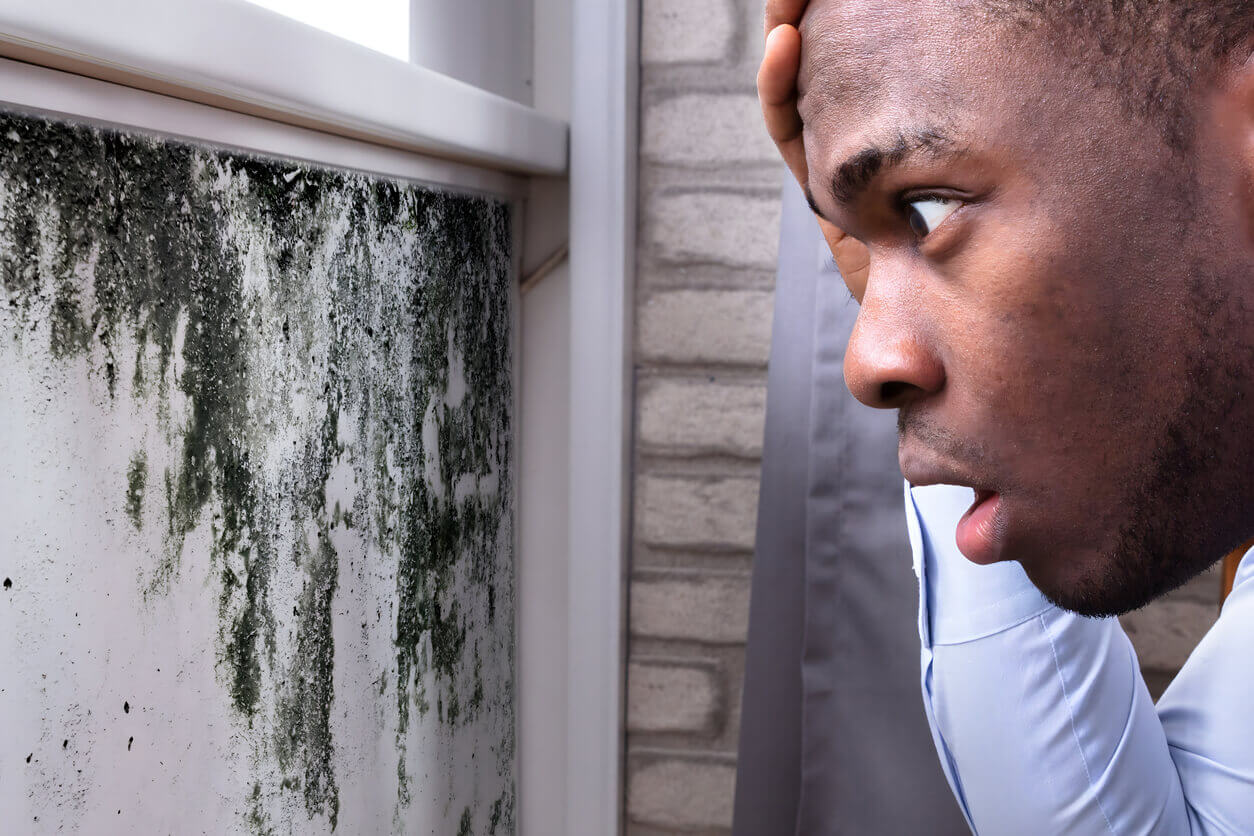
Have you ever noticed a discolored spot in your bathroom, basement, or perhaps around a window, accompanied by a musty odor? Your first thought might be mold, and if the spot is dark, the dreaded term “black mold” likely comes to mind. Black mold has earned a notorious reputation, often associated with serious health concerns. But what exactly is black mold, and how does it differ from the myriad of other molds that can also inhabit our homes and commercial spaces?
Understanding these distinctions is crucial for maintaining a healthy indoor environment and knowing when to seek professional help. Our mold removal experts at BioTek Environmental will provide you with the information to gain a better understanding of household molds, compare their characteristics, and clarify the truth about their potential dangers.
The Infamous Black Mold: Stachybotrys Chartarum
When people refer to “toxic black mold,” they are typically talking about the species Stachybotrys chartarum. This particular type of mold has garnered significant attention due to its ability to produce mycotoxins, which are toxic substances that can potentially pose health risks to humans and pets.
Stachybotrys chartarum often appears as a dark green or black mold with a slimy or wet texture. However, its appearance can vary, and younger colonies might even have a powdery look. It’s important to note that not all black-colored molds are Stachybotrys chartarum. Black is just one of the many colors mold can exhibit. Stachybotrys chartarum thrives in persistently moist environments rich in cellulose, such as water-damaged drywall, wood, paper, and fiberboard.
You might find it in areas with poor ventilation and chronic dampness, like bathrooms, basements, kitchens, and around leaky pipes. A musty, earthy odor is often associated with its growth, which can sometimes be detected even before visible mold appears, particularly if it’s growing inside walls or in hidden areas.
A Spectrum of Household Molds: Beyond Black
While black mold often takes center stage, our homes and workplaces can host a diverse range of other mold species. These molds come in various colors, textures, and have different growth preferences. Some common household molds include Alternaria, often found in damp areas like showers and under leaky pipes, appearing dark with a downy texture and known for causing allergic reactions and potentially asthma. Cladosporium, another dark-colored mold frequently mistaken for black mold, is common both indoors and outdoors, growing on plant material, wood, carpets, and insulation in poorly ventilated, humid spaces. It typically has an olive-green to brown or black velvety appearance and can cause respiratory issues and skin irritation.
Another very common fungus is Penicillium. It is often blue or green with a fuzzy texture, thriving on rotting food and fabrics, as well as on insulation, carpets, and wallpaper, potentially causing sinus infections and hay fever-like symptoms.
A group of molds called Aspergillus can also be found indoors as well as outdoors. This group of molds varies in colors like yellow, green, or black, often found in soil, decaying vegetation, and indoors on food and damp walls, posing risks primarily to those with weakened immune systems, potentially causing allergic reactions and lung infections.
These are just a few examples, and many other mold types like Acremonium, Aureobasidium, Chaetomium, and Fusarium can also be present in indoor environments, each with its own characteristics and potential health implications.
Comparing Toxicity: Black Mold and Its Counterparts
The primary concern surrounding black mold is its ability to produce mycotoxins. Exposure to these toxins can lead to various health issues, particularly respiratory problems, allergic reactions, and irritation of the skin, eyes, and throat. According to experts, there is also the potential for neurological effects like cognitive impairments, memory loss, confusion, and impaired motor skills with prolonged exposure. It is important to note that while Stachybotrys chartarum is known for mycotoxin production, not all strains produce them in significant quantities, and the level of exposure plays a crucial role in the severity of health effects.
Other molds can also produce mycotoxins, although the types and potency may differ. For instance, some species of Aspergillus and Penicillium are known to produce mycotoxins that can be harmful, especially to immunocompromised individuals. However, the perception of black mold as the only or most dangerous mold is often a simplification.
The health risks associated with any mold exposure depend on several factors, including the type of mold, the extent of the infestation, the duration of exposure, and the individual’s susceptibility to mold-related health problems, such as allergies, asthma, or a weakened immune system.
The Underlying Cause: Moisture and Mold Growth
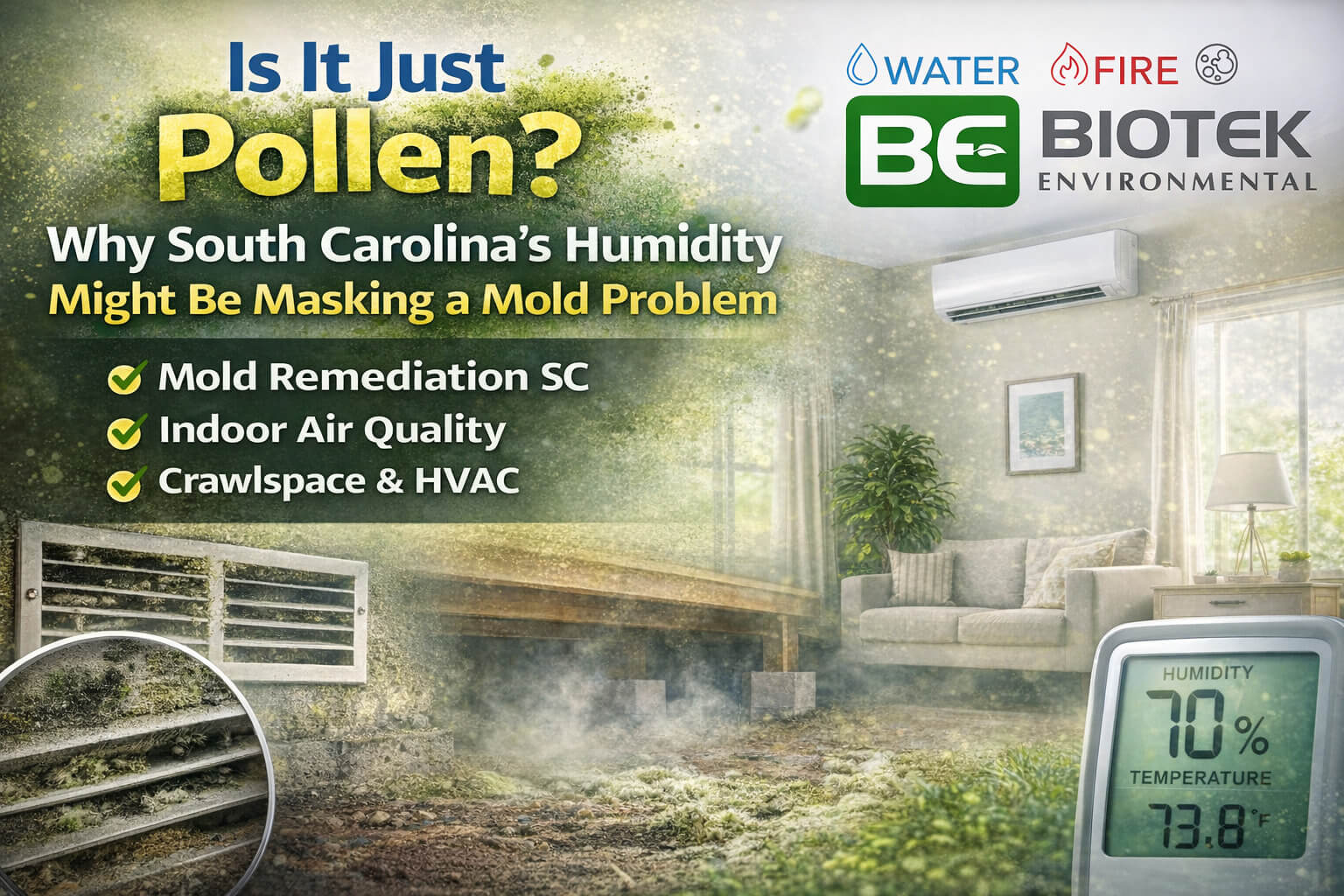
Regardless of the specific type, all molds share a fundamental requirement for growth: moisture. Mold spores are present virtually everywhere, both indoors and outdoors. When these microscopic spores land on a surface with sufficient dampness, warmth, and an organic food source, they begin to grow and form colonies. Common sources of indoor moisture that can lead to mold growth include leaky pipes, roofs, or windows, high humidity levels, condensation, poor ventilation, and flooding.
Basements, bathrooms, and kitchens are often more susceptible due to their inherent moisture levels. Even seemingly minor water intrusions should be addressed promptly, as mold can begin to grow within 24 to 48 hours of water exposure. Controlling moisture and humidity is therefore the cornerstone of preventing mold infestations in any environment. Maintaining indoor humidity levels below 50% and temperatures between 68°F and 72°F can help inhibit mold growth.
Preventing Mold: Proactive Steps for a Healthier Home
Preventing mold growth is always preferable to dealing with an active infestation. In addition to controlling humidity, there are several other proactive steps can help minimize the risk of mold in your home or business. For example, ensure proper ventilation in kitchens and bathrooms by using exhaust fans. You should also address any water leaks promptly, no matter how small. Moreover, it’s important to maintain your HVAC system and ensure proper drainage to prevent condensation and Clean your gutters regularly to direct water away from your foundation.
What’s more, it is a good idea to consider using mold-resistant building materials during construction or renovation in areas prone to moisture. Naturally, if you experience flooding or water damage, initiate the drying process immediately using fans and dehumidifiers, and consider professional water damage restoration services to ensure thorough drying and prevent mold growth.
Recognizing the Signs: Detecting a Potential Mold Problem
Being vigilant for the signs of a potential mold problem can allow for early intervention and prevent more extensive damage and health risks. Visible mold growth, appearing as discolored spots in various colors like black, green, gray, white, or brown, is a clear indicator.
A persistent musty or earthy odor is another strong sign, often indicating hidden mold growth. Unexplained allergy-like symptoms, such as sneezing, runny nose, coughing, itchy eyes, and skin irritation, especially when they seem to worsen while you are indoors, can also suggest mold exposure. Other potential signs include persistent headaches, fatigue, and respiratory issues. If you notice any of these signs, it’s crucial to investigate further and consider a professional mold inspection.
Debunking Myths: Separating Fact from Fiction About Mold
There are many misconceptions surrounding mold, particularly black mold. One common myth is that all black-colored mold is the dangerous Stachybotrys chartarum. In reality, many types of mold can appear black, and only laboratory testing can definitively identify the species. Another misconception is that any visible black mold automatically means your home is dangerously toxic. While Stachybotrys chartarum can produce mycotoxins, the level of exposure and individual sensitivity are critical factors in determining health effects. Conversely, it’s also a myth that only black mold is harmful; many other mold species can trigger allergic reactions and cause health problems, especially in susceptible individuals.
Relying solely on visual identification or DIY test kits to determine the type and severity of a mold problem is unreliable. Professional mold inspection and testing are necessary for accurate assessment and effective remediation.
The Limitations of DIY: Why Professional Mold Remediation Matters
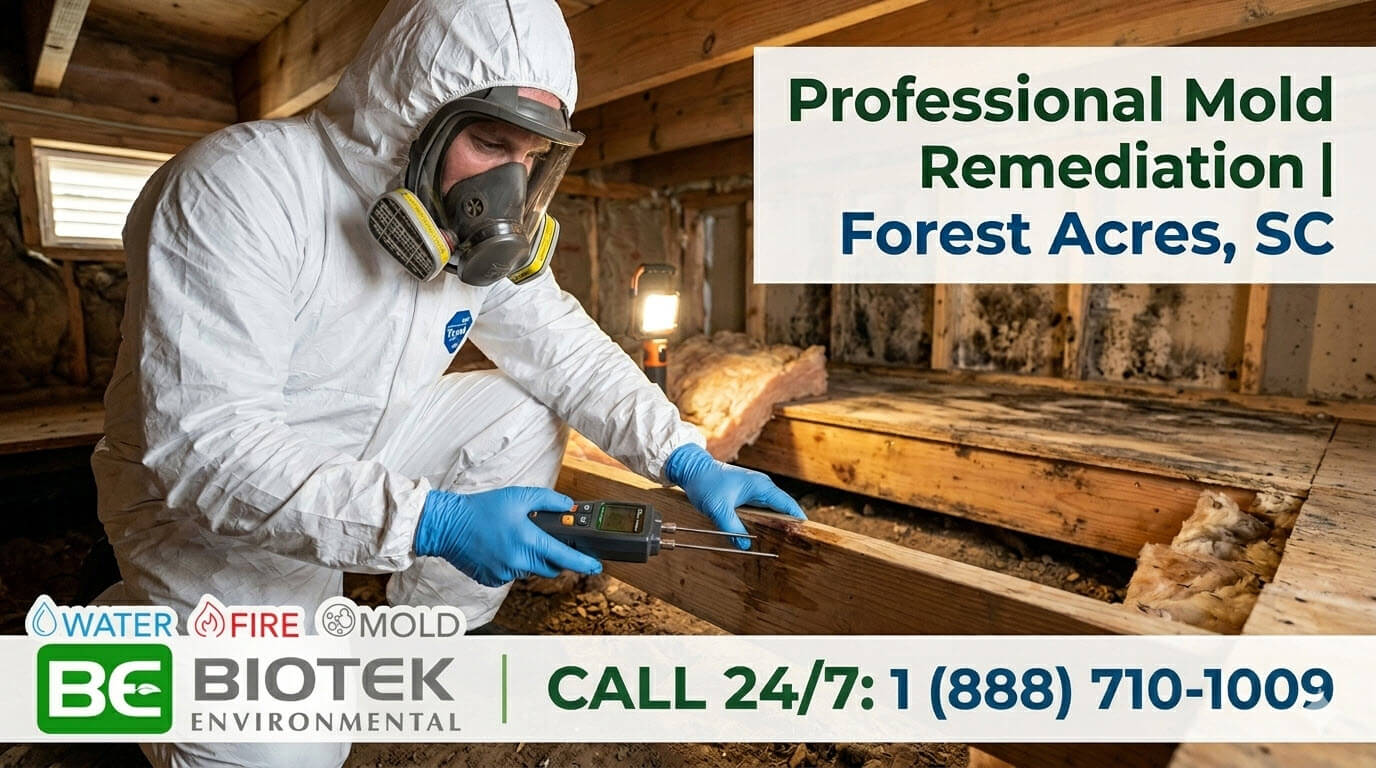
While you might consider tackling small patches of mold yourself, effective and safe mold remediation often requires professional intervention, especially for larger infestations (over 10 square feet) or when dealing with potentially toxic molds like Stachybotrys chartarum.
DIY methods like simply wiping or bleaching visible mold are often insufficient because mold sends root-like structures (hyphae) into porous materials, and surface cleaning won’t eliminate the subsurface growth. Disturbing mold without proper containment can also release spores into the air, potentially spreading the contamination and increasing health risks. Professional mold remediation companies have the training, equipment, and expertise to safely and effectively identify the extent of the mold problem, contain the affected areas to prevent cross-contamination, remove mold-infested materials that cannot be salvaged, clean and sanitize remaining surfaces, and address the underlying moisture issues to prevent a recurrence.
Professional mold remediation companies like BioTek Environmental also use specialized air filtration equipment, such as HEPA filters and air scrubbers, to remove airborne mold spores and improve indoor air quality. Furthermore, professionals can conduct post-remediation inspections and testing to ensure the mold problem has been successfully addressed.
Choose the Experts: BioTek Environmental Inc. for Your Mold Concerns
If you suspect a mold infestation in your home or commercial property in South Carolina, North Carolina, or Georgia, BioTek Environmental Inc. is your trusted partner for comprehensive mold inspection, removal, and remediation services. With years of experience since 2007, BioTek Environmental is dedicated to providing safe, effective, and environmentally responsible mold solutions.
Our certified professionals utilize EPA-registered and environmentally safe chemistries in our clean, green restoration methods to ensure the thorough removal of mold and the restoration of a healthy indoor environment. We understand the unique challenges associated with bio-contamination and employ advanced techniques, including Oxidative mold remediation, to address fungal viability and allergenicity effectively.
BioTek Environmental provides comprehensive warranties on our services, offering you peace of mind that the mold issue will be resolved correctly. We offer 24/7 emergency services, ensuring a prompt response to your mold concerns in Columbia, Greenville, and Spartanburg, SC, as well as other areas we serve.
Taking Action: Contact BioTek Environmental Inc. Today
Don’t let the presence of mold, whether it appears black or any other color, compromise the health and safety of your home or business. If you suspect a mold problem, prompt action is crucial. Contact BioTek Environmental Inc. online or call us at 866-630-7340 for professional mold inspection and comprehensive remediation services in South Carolina, North Carolina, and Georgia.
Our experienced and certified team is dedicated to providing effective, environmentally friendly solutions to address all types of mold infestations. We offer thorough assessments, safe removal procedures, and preventative measures to ensure a healthy and mold-free indoor environment. Trust BioTek Environmental Inc. to be your partner in restoring your property and your peace of mind with our proven expertise and commitment to customer satisfaction.
Frequently Asked Questions About Black Mold and Mold Remediation
Q1. What are the first signs of mold growth?
The earliest signs often include a musty odor and visible discoloration or spots on walls, ceilings, or other surfaces, especially in damp areas.
Q2. How do professionals test for mold?
Professionals use various methods, including air sampling, surface sampling (swabs, tape lifts), and sometimes bulk sampling of materials. These samples are then analyzed in a laboratory to identify the types and levels of mold present. DIY test kits are generally less reliable.
Q3. What does mold smell like?
Mold often has a musty, earthy, or mildewy odor. Some people describe it as smelling like damp socks or rotting wood.
Q4. Can mold grow in dry areas?
Mold requires moisture to grow. While some molds are more tolerant of drier conditions than others, complete dryness will inhibit mold growth. However, even seemingly dry areas can experience condensation or have hidden moisture sources.
Q5. How long does mold remediation take?
The duration of mold remediation depends on the extent of the infestation, the areas affected, and the complexity of the removal process. It can range from a few hours for small areas to several days or longer for more significant problems.