Imagine breathing in air that looks clear and clean, yet contains microscopic particles that can irritate your lungs, trigger allergies, and potentially cause serious health problems. This is the hidden danger posed by mold when it takes root in your home or business. Mold is more than just an unsightly stain on a wall or ceiling; it’s a biological contaminant that directly impacts the air you breathe every moment you are indoors. Understanding how mold affects indoor air quality is the first step in protecting your health and your property.
Mold thrives in conditions many of us unintentionally create, making it a widespread issue that demands our attention. Don’t underestimate the power of this common fungus to degrade your indoor environment and potentially harm those exposed to it.
What is Mold and How Does It Grow?
Mold is a type of fungus, a diverse group of organisms found both indoors and outdoors. There are thousands of different species of mold, varying widely in appearance and potential impact. All molds share a critical requirement for growth: moisture.

When mold spores, which are always present in the air around us, land on a surface with sufficient moisture, warmth, and a food source (like wood, paper, or fabric), they can begin to grow and form colonies. This growth process can start very quickly, sometimes within as little as 24 to 48 hours after a water intrusion event like a leak or flood. Mold doesn’t just sit on the surface; it produces root-like structures that penetrate porous materials, allowing it to anchor and absorb nutrients from within the material itself.
Mold Spores: The Airborne Spread
One of the primary ways mold impacts air quality is through the release of spores. Mold colonies reproduce by releasing tiny, lightweight spores into the air. These spores are microscopic and can easily become airborne, circulating throughout a building’s indoor environment through natural air currents or ventilation systems. When mold growth is disturbed by movement, changes in temperature, or humidity, it can release a higher concentration of these spores into the air. Once airborne, these spores can travel significant distances and land on other surfaces, potentially starting new mold colonies if moisture is present. The presence of elevated levels of mold spores in the air is a direct indicator of compromised indoor air quality.

Understanding Microbial Volatile Organic Compounds (MVOCs)
Beyond releasing spores, mold also produces and releases gases into the air known as microbial volatile organic compounds, or MVOCs. These chemical compounds are created during the different stages of mold growth. While MVOCs don’t pose the same structural or allergenic threats as spores, they are significant contributors to the characteristic odor associated with mold infestations. This smell is often described as musty, earthy, or sometimes like rotting wood or wet socks.
The presence of this musty odor, even without visible mold, is a strong indicator of mold growth, suggesting that mold is actively developing and releasing these compounds, impacting the air quality. Attempting to mask this odor with air fresheners or simply increasing ventilation will not address the underlying mold growth or the release of spores and MVOCs.
The Link Between Airborne Mold and Health
Inhaling mold spores and mycotoxins can have significant consequences for human health. Exposure can cause a range of health issues, from mild symptoms to more severe conditions, depending on the type of mold, the level of exposure, and the individual’s sensitivity or health status.

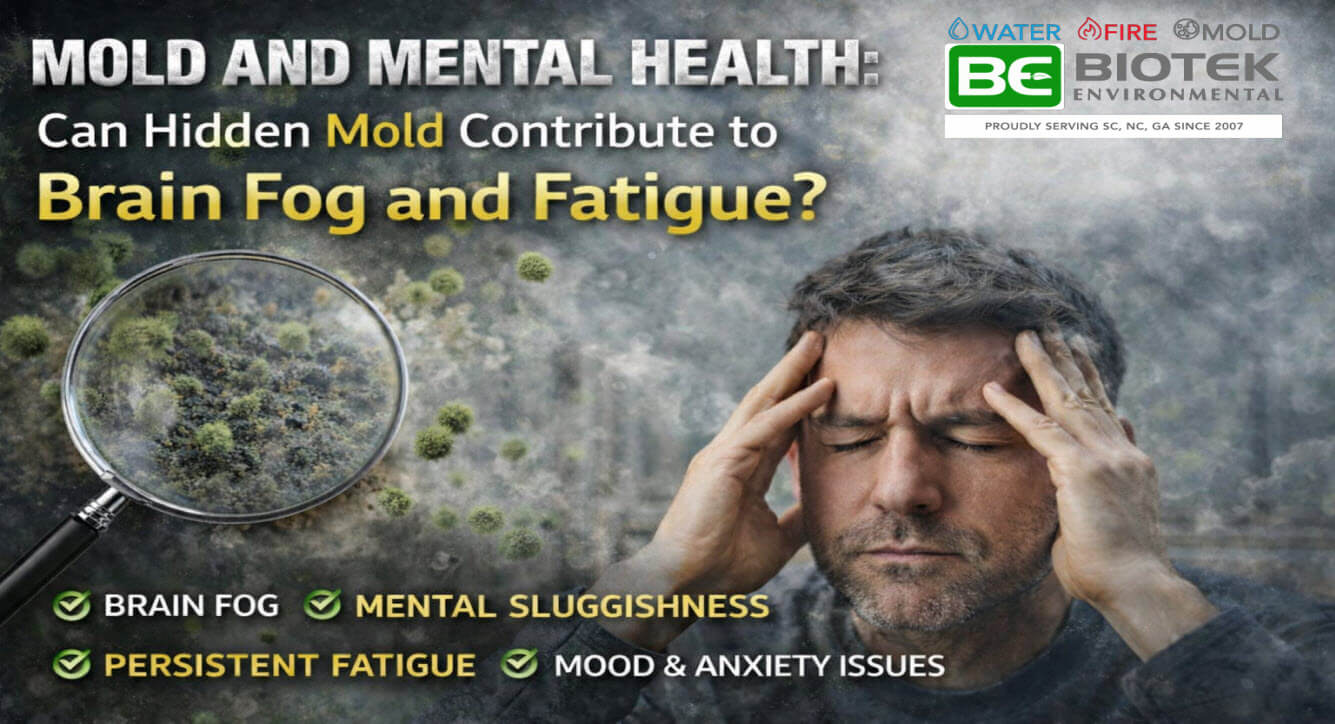
Mold produces allergens and irritants that can affect the respiratory system, eyes, skin, and throat. Common symptoms include coughing, wheezing, stuffy or runny nose, sore throat, red or itchy eyes, and itchy skin. For individuals with allergies or pre-existing conditions like asthma or respiratory problems, mold exposure can trigger severe reactions and exacerbate their symptoms. Vulnerable populations such as young children, the elderly, and those with weakened immune systems are particularly susceptible.
The Dangers of Toxic Black Mold
Among the many types of mold, Stachybotrys chartarum, commonly known as black mold, is often cited as particularly dangerous. This is because it produces potent toxins called mycotoxins, which can be significantly hazardous to human health upon exposure. These mycotoxins can attach to mold spores and become airborne, posing a risk of inhalation or ingestion.
While general mold exposure, according to the CDC, can cause respiratory and allergic symptoms, toxic black mold exposure has been linked to more serious health issues, including chronic respiratory disease, neurological problems, and potential internal organ damage after prolonged exposure. Black mold thrives in persistently damp areas, often on materials with high cellulose content, and can be identified by its dark green or black color and sometimes slimy texture. However, only professional testing can definitively identify it.
How to Spot a Potential Mold Problem
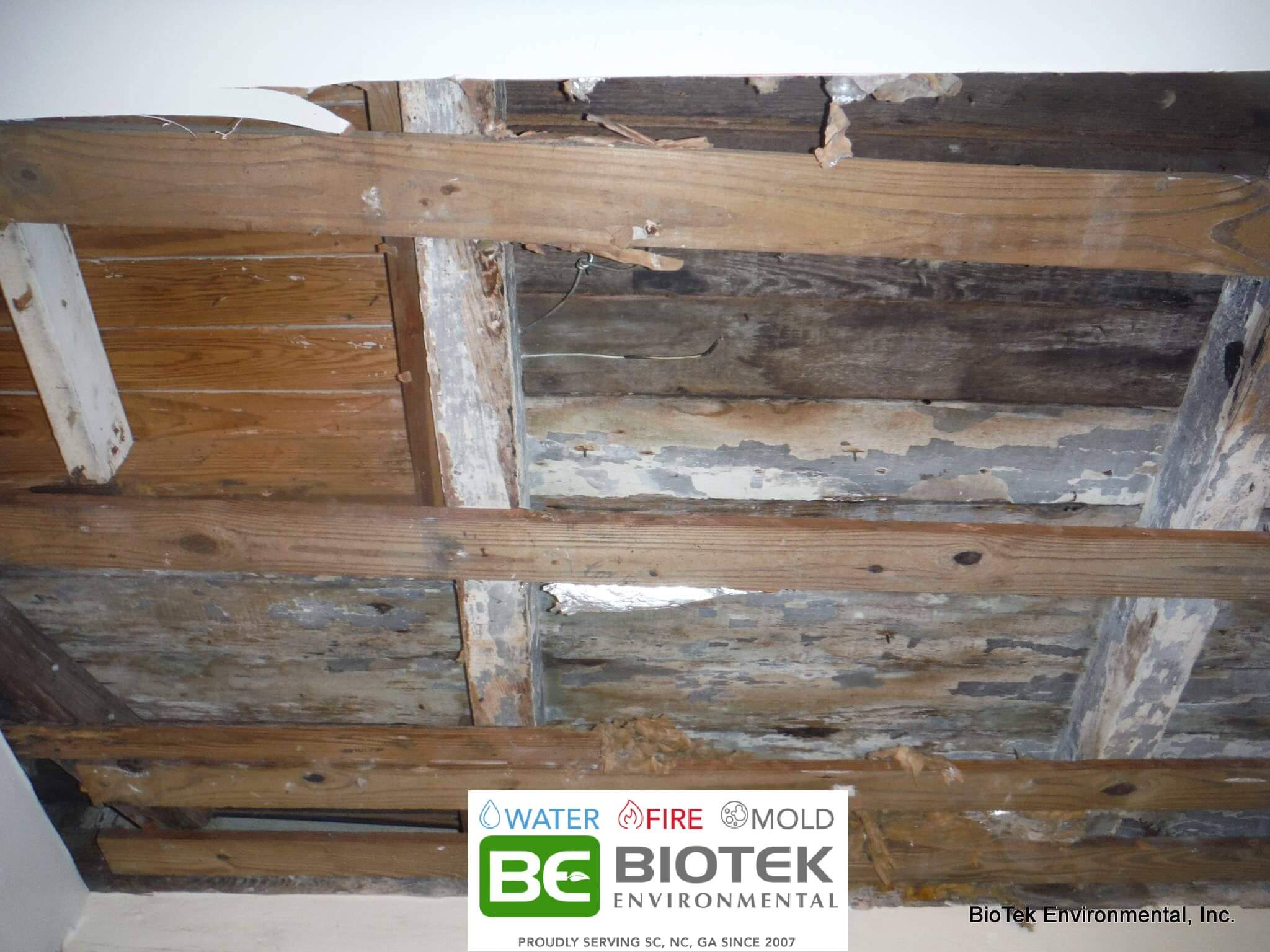
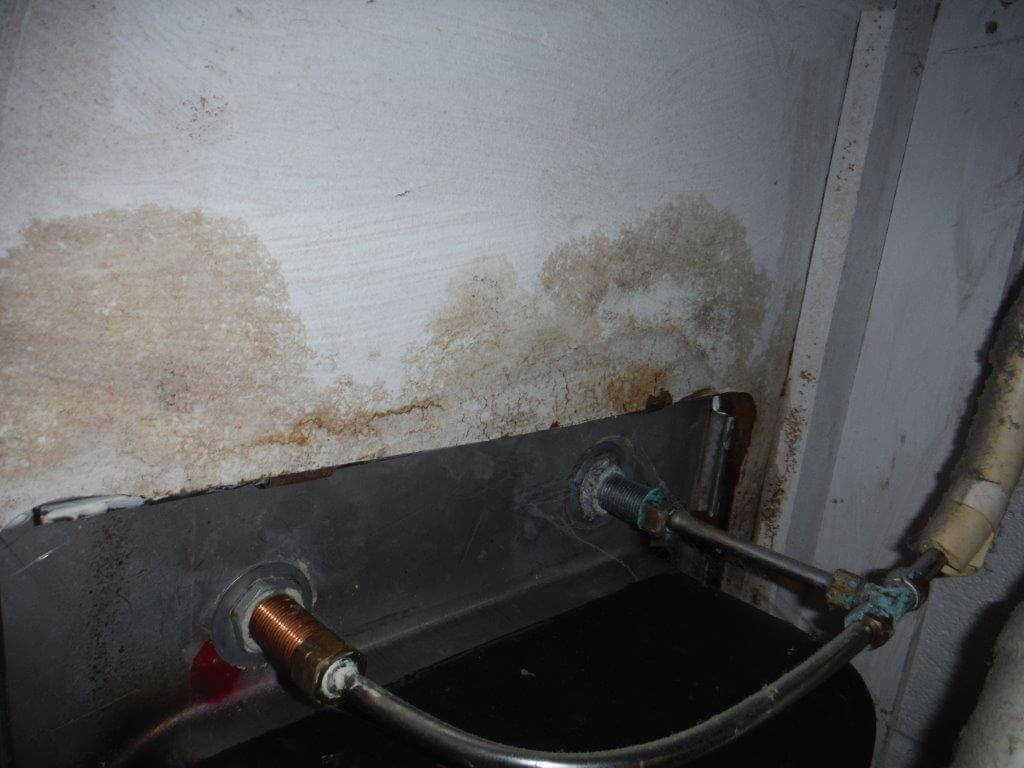
Identifying mold growth is crucial for maintaining good indoor air quality. Sometimes mold is visible, appearing as discolored patches on surfaces like walls, ceilings, or floors, which can be black, green, white, gray, brown, or even other colors. It can have various textures, including velvety, fuzzy, powdery, or slimy.
However, mold often grows in hidden areas that are damp and dark, such as inside walls, behind wallpaper, under carpets, or in basements, attics, and crawl spaces. In these cases, a persistent musty or earthy odor may be the only indicator of a hidden mold problem. Additionally, experiencing allergy-like symptoms or other health issues that seem to improve when you leave the building could signal a mold problem. If you notice any of these signs, it’s important to investigate further.
The Need for Prompt Action
Ignoring mold growth is never recommended. Mold spreads quickly, especially in damp conditions, and can colonize new areas of your home or business rapidly. The longer mold is allowed to grow, the more spores and mycotoxins it can release into the air, increasing the potential health risks for occupants.

Prolonged exposure to mold can potentially lead to more severe or lasting health issues. Furthermore, mold can cause structural damage to your property by breaking down the materials it grows on, such as wood or drywall. Addressing mold promptly is essential not only for protecting indoor air quality and occupant health but also for preserving the integrity and value of your property. Consequently, immediate action helps minimize both the health hazards and the cost of remediation.
Why Professional Mold Remediation is Essential
While it might be tempting to try and tackle a mold problem yourself with household cleaners, this is often insufficient and can even worsen the situation. Mold’s root-like structure penetrates porous surfaces, making it difficult to remove completely without specialized techniques. Scrubbing or brushing visible mold can release massive amounts of spores into the air, spreading the contamination to other areas. Many common cleaning agents, like bleach, are only effective on non-porous surfaces and may not kill dormant spores or penetrate deeply enough into materials.

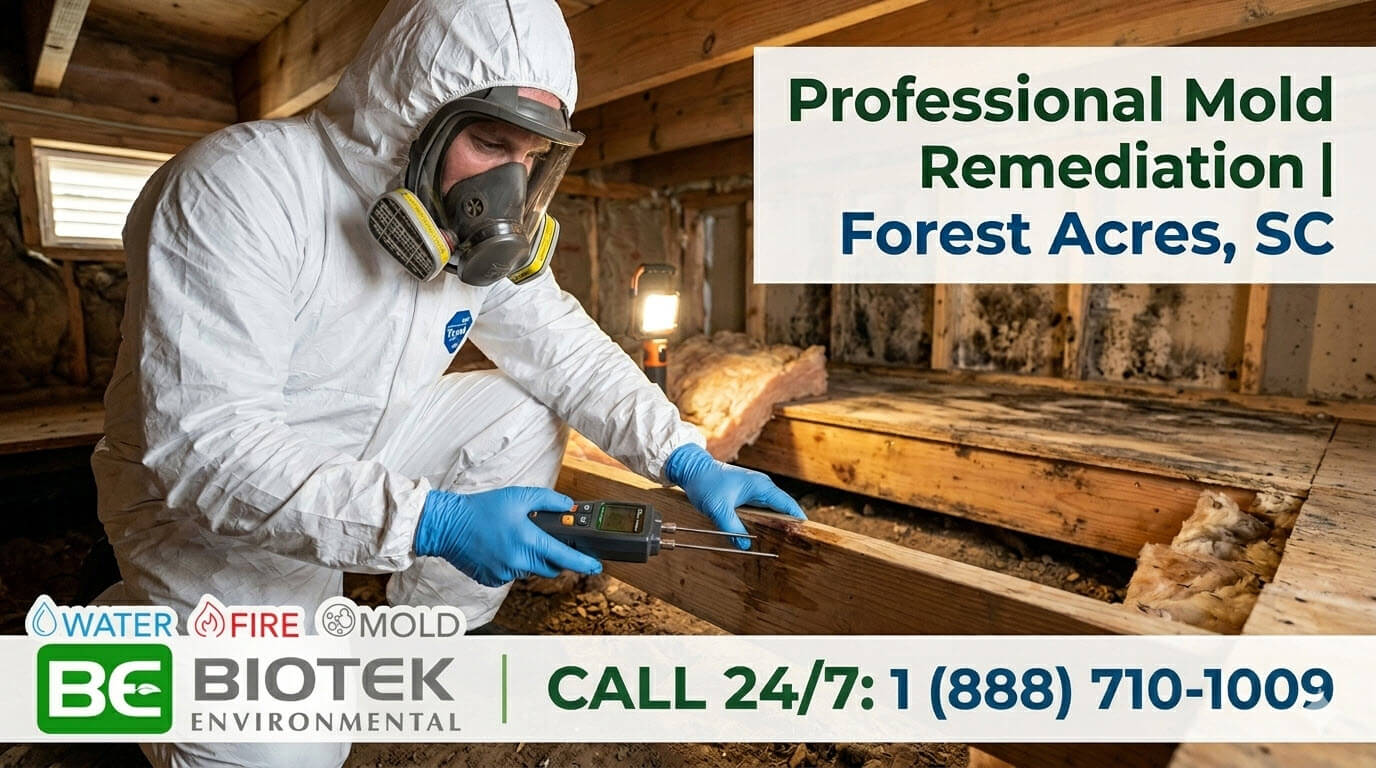
On the other hand, professional mold remediation goes beyond simple cleaning; it involves a thorough process designed to contain the mold, safely remove it, and address the underlying moisture issue to prevent recurrence. Professional mold remediation companies like BioTek Environmental Inc. have the necessary equipment and expertise to safely handle mold, especially for areas larger than 10 square feet or when dealing with hidden growth.
The Professional Mold Remediation Process
Professional mold remediation involves several key steps to effectively eliminate mold and restore healthy indoor air quality. The process typically begins with an inspection, and, if requested by the homeowner, testing to identify the extent and type of mold growth, including hidden sources. Once the scope is determined, the affected areas are contained using barriers and negative air pressure machines to prevent spores from spreading to other parts of the building during the cleanup.

Air filtration systems equipped with HEPA filters are used to capture airborne mold spores and improve air quality within the containment zone. Contaminated materials that cannot be salvaged, such as drywall or insulation, are safely removed and disposed of. Surfaces are then cleaned and treated with antimicrobial solutions to eliminate remaining mold spores. Finally, preventative measures are recommended, and a post-remediation inspection confirms that the mold has been successfully addressed.
Preventing Mold Growth and Protecting Air Quality
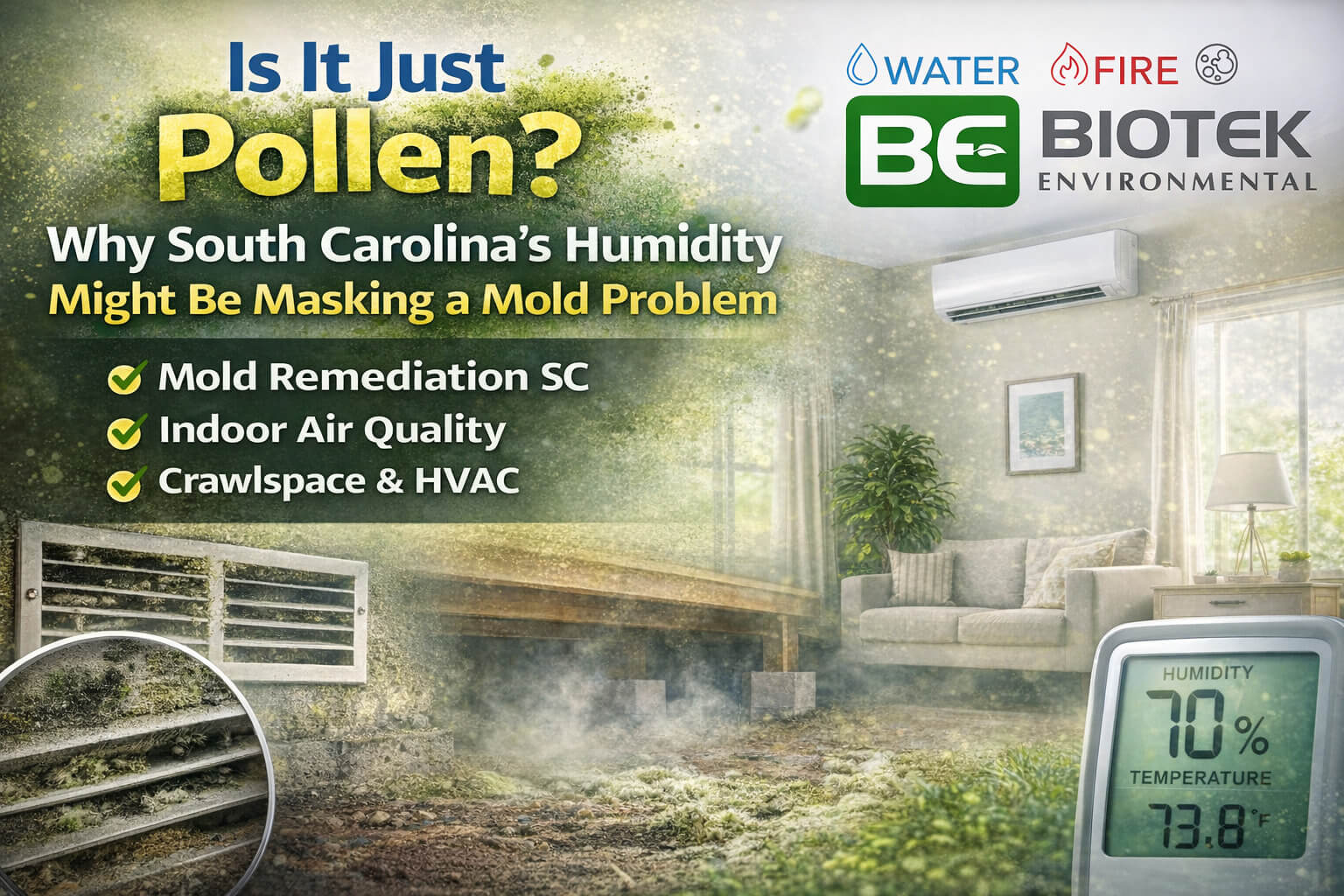
Preventing mold growth is the most effective way to maintain healthy indoor air quality. Since mold relies on moisture to thrive, controlling humidity and addressing water issues are critical steps.
- Maintain indoor humidity levels below 50%, ideally below 45%.
- Ensure proper ventilation, especially in areas prone to moisture like bathrooms, kitchens, basements, and attics.
- Use exhaust fans and consider using dehumidifiers in damp areas.
- Promptly fix any water leaks, whether from pipes, roofs, or foundations, no matter how small.
- After any water damage event, it is crucial to dry the affected areas thoroughly and quickly, ideally within 24-48 hours, to prevent mold from taking hold.

Professional water damage restoration services provided by BioTek Environmental Inc. can ensure that all moisture is effectively removed and drying is complete.
Why BioTek Environmental Inc. is Your Trusted Partner
When dealing with the critical issue of mold and its impact on your indoor air quality, you need a professional partner you can trust. BioTek Environmental Inc. specializes in comprehensive mold remediation and water damage restoration services, dedicated to restoring healthy indoor environments. We understand the complexities of mold growth and its health implications. We don’t just remove visible mold – we address the underlying issues to prevent recurrence and ensure your indoor air quality meets the highest standards.

Our team of certified professionals utilizes advanced techniques and EPA-registered, environmentally safe chemistries for effective and safe mold removal. We offer 24/7/365 emergency services because we know mold and water damage issues require immediate attention. With a strong reputation, including an A+ rating with the Better Business Bureau, and some of the most comprehensive warranties in the industry, you can have peace of mind knowing your property is in expert hands. We are committed to providing clean, green restoration methods to help you reclaim a safe and healthy living or working space.
Frequently Asked Questions About Mold and Air Quality
Q: Can mold in one room affect air quality throughout the house?
A: Yes. Mold spores are microscopic and easily become airborne. HVAC systems can distribute these spores throughout a building, affecting air quality in areas far from the original mold growth.
Q: Can air purifiers help with mold spores?
A: HEPA air purifiers can capture airborne mold spores, helping to reduce their concentration in indoor air. However, air purifiers don’t address the underlying moisture problem and won’t eliminate mold growth on surfaces.
Q: How can I tell if my symptoms are related to mold exposure?
A: If symptoms improve when you leave a particular building and worsen when you return, mold could be a factor. A healthcare provider can help determine if your symptoms are consistent with mold exposure and may recommend testing if necessary.
Q: Can mold come back after remediation?
A: If the underlying moisture problem isn’t properly addressed, mold can return even after thorough cleaning. Successful long-term mold prevention requires controlling moisture sources.
Q: What causes mold to grow in a home?
A: Mold needs moisture, warmth, and a food source to grow. Common causes include water leaks, high humidity, condensation, and poor ventilation5 ….
Q: Can I clean up mold myself?
A: For small, non-porous areas, you might attempt cleanup, but for areas over 10 square feet, hidden mold, or if you suspect toxic mold, professional remediation is recommended. DIY methods can spread spores and may not effectively remove the mold.
Q: How long does the mold remediation process take?
A: The duration depends on the extent of the mold growth and damage. A professional assessment is needed to determine the specific timeline for your situation.
Don’t Let Mold Compromise Your Air – Contact Us Today!
Your indoor air quality directly impacts your health and well-being. Don’t ignore the signs of mold growth or take chances with DIY methods that might leave harmful spores and toxins behind. Protecting your home or business from mold requires expertise and proper procedures. If you suspect mold is affecting your indoor air quality, take immediate action.
Contact BioTek Environmental Inc. 24/7/365 toll-free at 866-630-7340 or visit our online contact page to complete our brief contact form. Our certified professionals are ready to provide expert mold inspection and remediation services using environmentally safe, effective methods. We serve communities throughout South Carolina and North Carolina, including Columbia, Greenville, Spartanburg, and Augustam, Georgia. Let us help you restore healthy air and peace of mind with our guaranteed services.