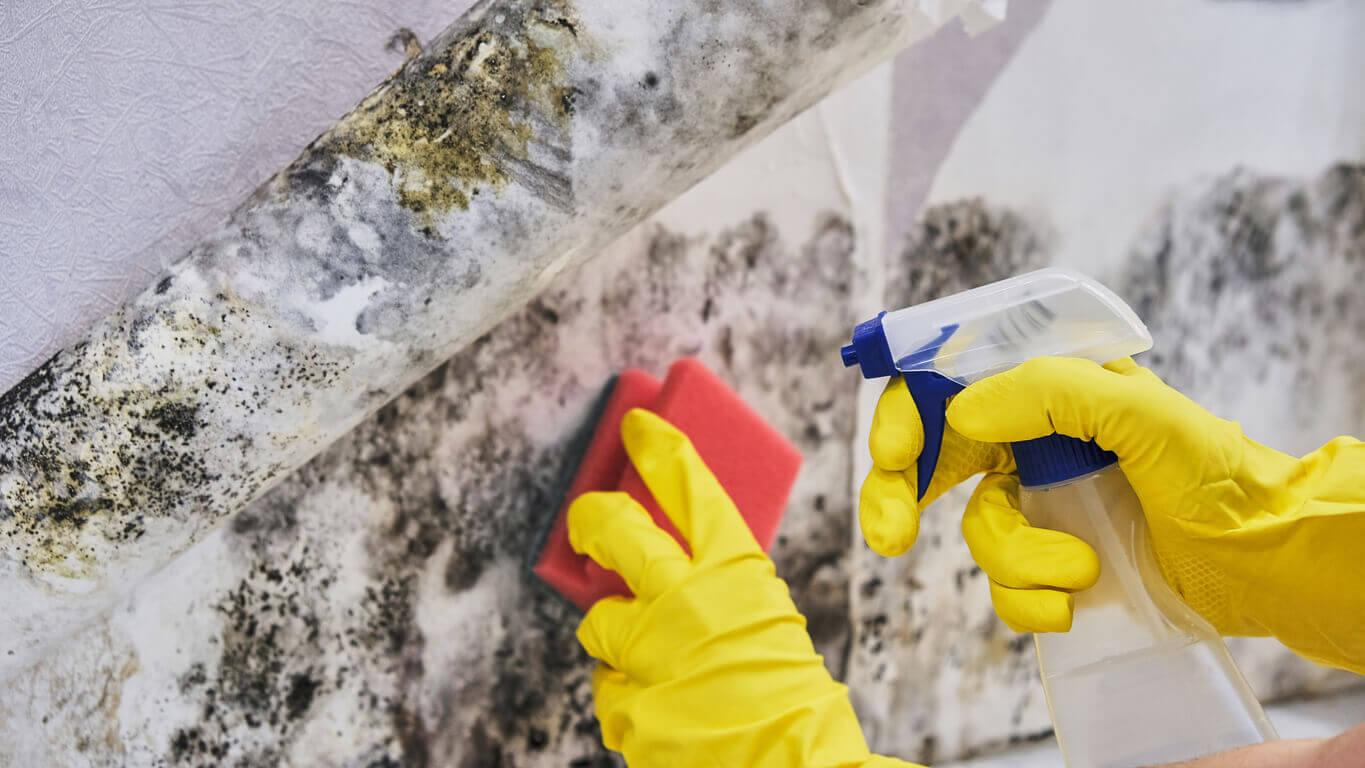
Mold infestations can be a homeowner’s nightmare, especially in humid regions like South Carolina, North Carolina, and Augusta, Georgia. The sight of a small patch of mold might prompt many to reach for household cleaners, hoping for a quick and cheap fix. However, what often begins as a well-intentioned DIY effort can quickly escalate, leading to worsened infestations, increased health risks, and ultimately, far greater expenses. Understanding why professional mold removal is crucial, particularly for areas exceeding 10 square feet, can save you from a costly and frustrating ordeal.
The Lure of DIY Mold Removal and Its Deceptive Simplicity
When mold rears its ugly head, the immediate instinct for many homeowners is to tackle it themselves. The appeal of do-it-yourself solutions is understandable: it seems like a straightforward way to save money and regain control of your living space quickly. Over-the-counter mold removers and popular homemade remedies, such as bleach and vinegar, are readily available and marketed as effective solutions.
However, this seemingly simple approach often overlooks the complex biological nature of mold. Mold is a fungus that thrives on moisture and organic materials, and its growth is often more extensive than what is visible on the surface. Without professional insight and specialized tools, simply scrubbing away visible mold can leave behind microscopic spores and deep-rooted growth, setting the stage for rapid recurrence and deeper problems. The desire to save a few dollars upfront can inadvertently lead to significant financial strain down the line, as persistent mold issues demand more intensive, and thus more expensive, interventions.
The Insidious Nature of Mold Growth
Mold is everywhere, it’s a fungus that can begin to grow within 24 to 48 hours of water intrusion into a property, with thousands of known species. It thrives in warm, damp, and humid conditions, making basements, bathrooms, and kitchens common breeding grounds. However, mold can appear virtually anywhere, including on walls, ceilings, floors, fabric, paper, and wood. What homeowners often see on the surface is merely a fraction of the problem. Mold produces hyphal projections, which are root-like structures that penetrate porous materials, allowing the colony to anchor itself and absorb nutrients. This means that even if a surface appears clean after a DIY attempt, the mold’s “roots” can remain embedded, ready to regrow once conditions are favorable.

The musty odor often associated with mold is a tell-tale sign of its presence, even when not visible, indicating the release of microbial volatile organic compounds (MVOCs). Ignoring these signs or superficially addressing them allows the infestation to proliferate silently, posing increasing risks to both property and health.
Why Over-the-Counter Products Fall Short
Many household cleaning products and homemade remedies are designed to sanitize surfaces, but they often lack the efficacy required to eliminate mold at its source. Bleach, for example, primarily acts as a surface disinfectant and can effectively kill active mold on hard, non-porous surfaces. However, it struggles to penetrate porous materials where mold roots are embedded, leaving dormant spores unaffected. Furthermore, using harsh chemicals can actually worsen allergy symptoms for susceptible individuals, creating a paradoxical situation where the “solution” aggravates the problem.

Environmentally friendly products with natural ingredients are often a better alternative for general cleaning, but even these may not be sufficient for a deep-seated mold problem. The Environmental Protection Agency (EPA) and OSHA have even issued warnings against using biocides and chlorine for mold remediation due to their limited effectiveness on porous surfaces and potential dangers. Without addressing the mold’s ability to penetrate surfaces, DIY treatments offer a temporary visual improvement rather than a permanent solution, leading to recurring infestations and continued frustration.
The Dangers of Spore Dispersion
One of the most critical risks of DIY mold removal is inadvertently spreading mold spores throughout your home. Activities like scrubbing, brushing, or vacuuming moldy areas without proper containment can aerosolize massive levels of contamination, scattering microscopic spores and fungal fragments deeper into surfaces and into the air. These airborne spores can then travel through your home’s HVAC system, settling in previously unaffected areas and initiating new mold colonies.
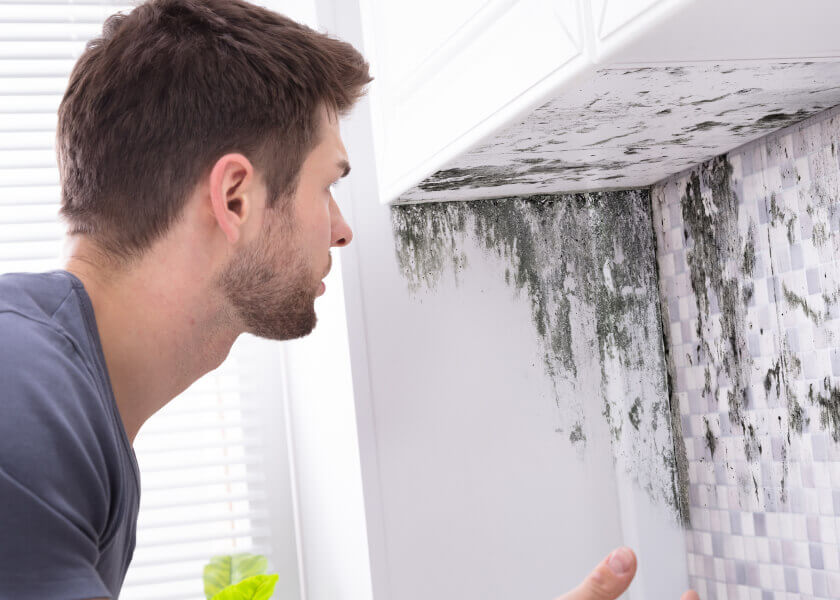
Using a regular vacuum cleaner, for instance, can spread spores rather than containing them, unless it is equipped with a HEPA filter designed to trap small particles. Professionals, like our teams at BioTek Environmental, use specialized equipment, such as vacuums with HEPA filters and air scrubbers, along with containment measures like plastic sheeting and negative air pressure machines, to prevent cross-contamination during removal. Without these precautions, a DIY effort can transform a localized mold problem into a widespread infestation, making future remediation far more complex and costly.
Misidentifying Mold: Not All Black is “Black Mold”
The term “black mold” often evokes fear, primarily due to the notorious Stachybotrys chartarum, known for producing harmful mycotoxins. However, the color of mold alone is not a reliable indicator of its type or toxicity. Many common household molds can appear black, green, gray, or dark brown, including less dangerous species like Cladosporium. Attempting to identify mold solely by its appearance can be misleading, as color is influenced by factors like age, food source, humidity, and light.
While Stachybotrys chartarum typically has a slimy texture and a strong musty odor, it can also appear powdery, and its presence can be hidden behind walls or furniture. Relying on visual cues for identification can lead to a false sense of security or unnecessary panic. Only a certified mold inspector, using specialized instruments and laboratory analysis, can definitively identify the specific mold species and assess spore concentrations, providing accurate data crucial for effective remediation. Without this expert identification, homeowners risk misdiagnosing the problem and applying inappropriate or ineffective treatments.
Escalating Health Risks from Improper Removal
Exposure to mold, especially black mold, can lead to a variety of health issues, ranging from mild allergic reactions to severe respiratory problems and chronic illnesses. Mold spores, allergens, irritants, and mycotoxins can affect the eyes, lungs, nose, skin, and throat. Symptoms can include coughing, wheezing, stuffy nose, itchy skin or eyes, sore throat, and nosebleeds. Individuals with pre-existing conditions like asthma or compromised immune systems, as well as children and the elderly, are particularly vulnerable.

Long-term exposure to toxic black mold can even lead to serious conditions like chronic inflammatory response syndrome (CIRS) or mold poisoning, with neurological issues, fatigue, and digestive problems. DIY removal methods often fail to adequately contain or eliminate these harmful substances, leading to continued exposure and a worsening of symptoms.
Without professional remediation that ensures proper containment and thorough removal of all mold sources and associated toxins, homeowners risk prolonged health impacts, making the initial savings from DIY negligible compared to potential medical costs and diminished quality of life.
The Hidden Costs of Ineffective DIY
The allure of saving money with DIY mold removal often masks the potential for far greater financial losses. When over-the-counter products or home remedies fail to eliminate mold completely, the infestation invariably returns, often more aggressively than before. This leads to a cycle of repeated DIY attempts, each costing time and money on ineffective products, while the underlying problem continues to fester. More importantly, mold left unaddressed can cause significant structural damage to your home, rotting wood, weakening drywall, and compromising the integrity of walls, ceilings, and floors. This damage not only diminishes your property value but also necessitates extensive and costly structural repairs or replacements in addition to mold remediation.
Furthermore, issues like persistent musty odors can permeate belongings, requiring additional cleaning or replacement of contaminated items. The seemingly “cheap” DIY solution becomes a precursor to substantial remediation expenses, extensive property repairs, and potential health complications, far outweighing the initial investment in professional services.
When to Call the Professionals: The 10 Square Feet Rule
The Environmental Protection Agency (EPA) provides a clear guideline: if a moldy area exceeds 10 square feet, it should be handled by a professional mold removal contractor or remediation service. This recommendation is based on the complexities involved in effectively and safely addressing larger mold infestations. Professional mold remediation companies, like BioTek Environmental in Columbia, SC, possess the specialized knowledge, equipment, and protocols necessary to contain the mold, prevent cross-contamination, and ensure thorough removal.

Mold remediation companies understand that mold often grows in hidden, moist, and dark conditions, such as basements, attics, or behind drywall, making it difficult for homeowners to fully identify and access the extent of the problem. For example, BioTek Environmental uses specialized thermal imaging cameras to locate hidden leaks and damage without destructive tear-outs. Attempting to tackle a significant mold issue yourself not only puts your health at risk but also may leave viable mold behind, setting the stage for recurrence. Adhering to the EPA’s guideline is a crucial step in protecting both your property and your well-being.
The Professional Remediation Process
Professional mold remediation involves a systematic, multi-step process designed to eliminate mold effectively and prevent its return. It begins with a thorough mold inspection and testing to identify the extent of the problem and the specific mold types present. Once assessed, containment measures are put in place to isolate work areas, preventing the spread of mold spores to unaffected parts of the home. This is followed by killing and removing the mold, often involving the demolition and removal of contaminated porous surfaces like drywall or wooden paneling. All mold-infested items are sanitized, and specialized equipment is used for deodorization to eliminate musty odors.
BioTek Environmental, Inc. employs an Oxidative mold remediation process, which is environmentally safe and effective against bio-contamination. This method uses chemistry that penetrates deeply into porous surfaces, denaturing fungal proteins and leaving no dangerous residues. The process concludes with a post-remediation inspection to confirm the success of the treatment and recommendations for preventative measures against future growth.
BioTek Environmental Inc.: Your Trusted Partner in Mold Remediation
When faced with a mold infestation, choosing a reputable and experienced professional is paramount. BioTek Environmental, Inc. offers comprehensive mold prevention, inspection, removal, and remediation services to homeowners and businesses throughout South Carolina, North Carolina, and Augusta, Georgia. Since 2007, BioTek has been dedicated to providing clean, green restoration using EPA-registered and environmentally safe chemistries. Our Oxidative mold remediation process is highly effective, addressing both fungal viability and allergenicity by digesting fungal proteins without using harmful substances like chlorine or pesticides.

BioTek is committed to customer satisfaction, maintaining an A+ rating with the Better Business Bureau and holding certifications like CMRS (Council-Certified Microbial Remediation Supervisor) and IICRC S500 for water restoration, adhering to industry best practices. We also offer industry-leading warranties, some of the longest and most comprehensive, providing clients with peace of mind.
Addressing Homeowner Concerns in South Carolina and Georgia
Homeowners in South Carolina, North Carolina, and Augusta, Georgia, face unique challenges when it comes to mold due to the prevalence of warm, humid conditions and the risk of severe weather events like hurricanes and tropical storms. These conditions create an ideal environment for mold to thrive, often leading to hidden infestations from water damage or poor ventilation. The fear of black mold and its potential health effects, including respiratory issues and chronic illnesses, is a significant concern for residents in these areas.
BioTek Environmental Inc. directly addresses these regional pain points by offering 24/7 emergency services, recognizing that quick response is crucial in mitigating water damage and preventing extensive mold growth. Our local expertise in these areas ensures that we are familiar with the specific building challenges and environmental factors that contribute to mold issues, allowing for tailored and effective remediation strategies.
Long-Term Solutions and Prevention
Effective mold remediation is not just about removing visible mold; it’s about addressing the root cause to prevent future growth and ensure a healthy living environment. BioTek Environmental Inc. emphasizes preventative measures, such as maintaining indoor humidity levels below 50% and ensuring proper ventilation in key areas like bathrooms, laundry rooms, and kitchens.
We also provide biostatic coating technology, an advanced antimicrobial chemical formulation that forms a permanent bond to surfaces, inhibiting damage and deterioration caused by bacteria, fungi, and algae growth for up to 30 years. This long-term protection significantly reduces the need for harsh cleaning agents and increases the lifespan of treated objects and surfaces. By opting for professional services, homeowners invest in a comprehensive solution that not only eradicates existing mold but also provides robust defenses against future infestations, safeguarding their property value and the health of their families for years to come.
Protect Your Home and Health with BioTek Environmental Inc.!
Don’t let a mold problem compromise your family’s health or your property’s value. If you suspect mold in your home or business, especially in areas larger than 10 square feet, it’s time to call the experts. BioTek Environmental Inc. offers prompt, professional, and environmentally safe mold remediation services throughout South Carolina, North Carolina, and Augusta, Georgia. Our certified technicians use advanced techniques and provide industry-leading warranties to ensure a complete and lasting solution. Contact us today for a comprehensive inspection and reclaim a healthier living environment! Call us 24/7 at (866) 630-7340 or visit our website to complete a simple “contact form” and to learn more.
Frequently Asked Questions About Mold Removal and Remediation
Q1. What does mold look like, and how can I identify it?
Mold can appear in various colors, including black, green, white, yellow, blue, or even orange, and its texture can be velvety, fuzzy, or rough. While visual signs like discoloration are common, mold can also be hidden, often indicated by a musty or earthy odor. The color alone does not indicate the type or severity of the mold.
Q2. How fast does mold grow after water damage?
Mold can begin to grow as quickly as 24 to 48 hours after water intrudes into a property, given the right conditions of moisture and organic material. This rapid growth underscores the importance of quick action following any water leak or flood.
Q3. How can I prevent mold growth in my home?
Key preventative measures include controlling indoor humidity levels (ideally below 50%), promptly repairing any water leaks, ensuring proper ventilation in moisture-prone areas (bathrooms, kitchens, basements), and cleaning thoroughly with appropriate methods.