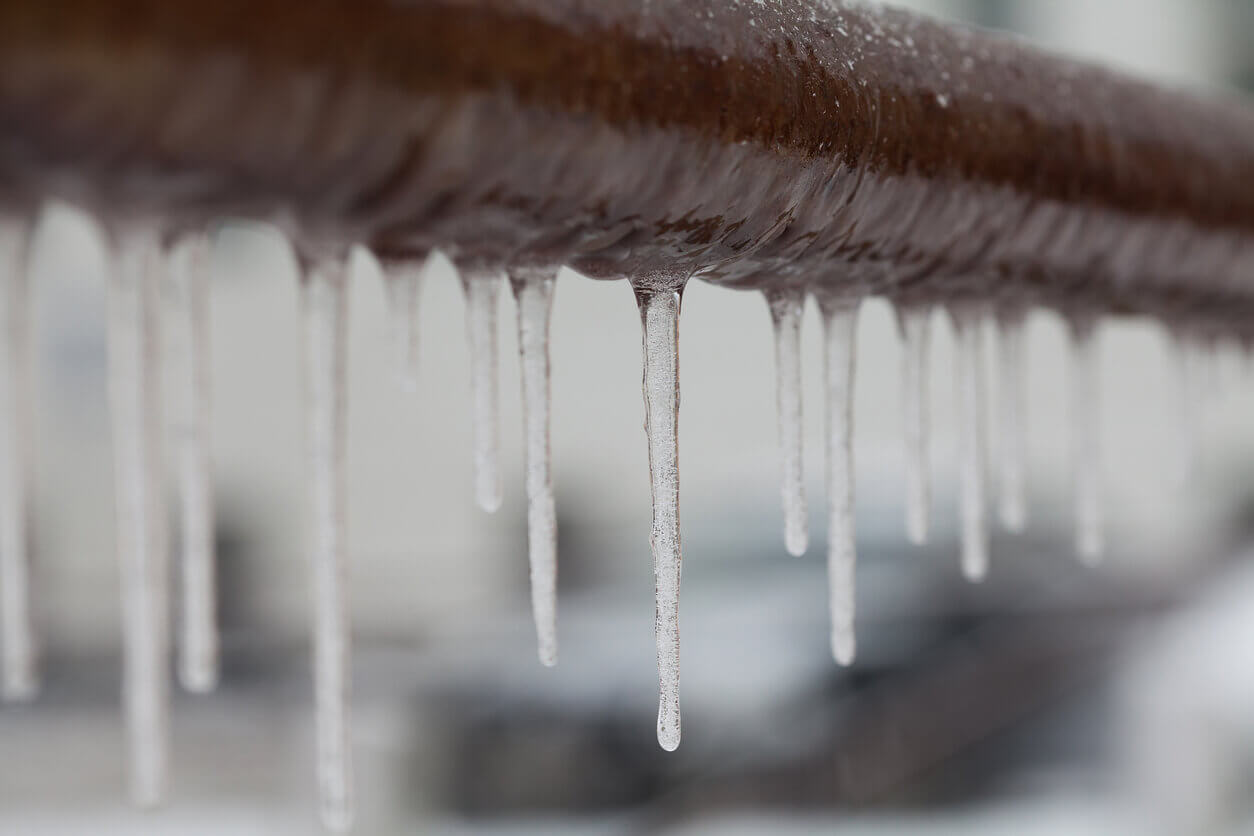
As temperatures keep plummeting during winter, frozen water pipes become a homeowner’s nightmare, potentially leading to costly repairs and extensive water damage. Unfortunately, misconceptions surrounding frozen pipes are prevalent, often leading to inadequate preventative measures or delayed action, exacerbating the problem. It’s important to debunk these myths and equip yourself with factual knowledge to protect your home from the hazards of frozen pipes.
What Causes Water Pipes to Freeze?
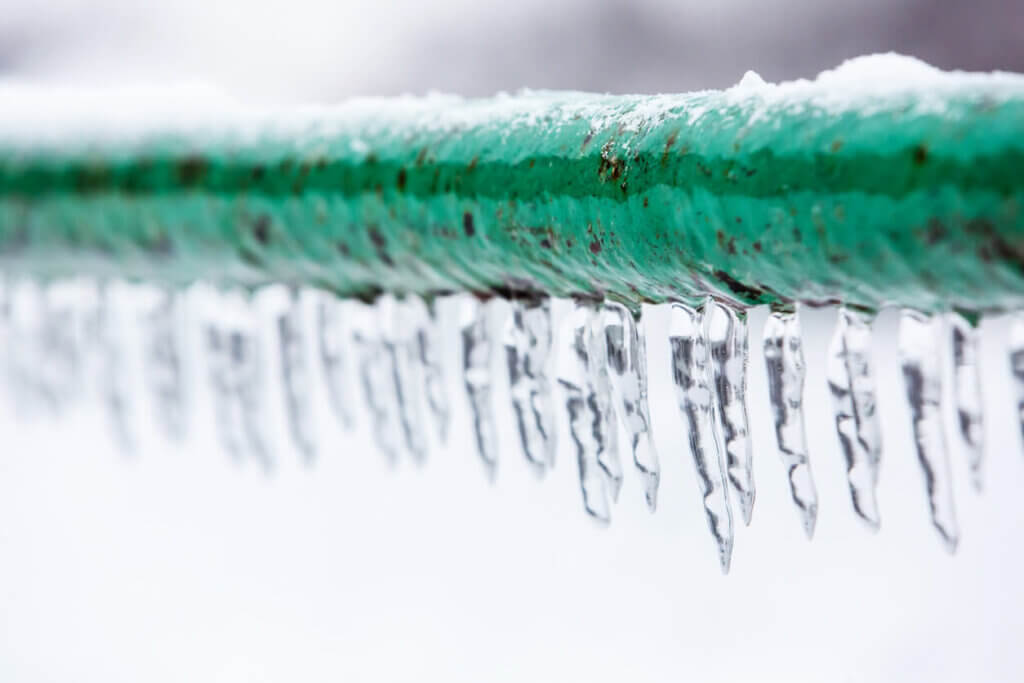
Water pipes freeze when the temperature of the water inside drops below 32°F. This is particularly common in extreme cold weather conditions like the ones we are currently experiencing, especially if the pipes are located in unheated areas such as basements, attics, or exterior walls. When water freezes, it expands, creating pressure within the pipe. If this pressure exceeds the pipe’s capacity, it can lead to bursting, resulting in significant water damage and costly repairs.
The Anatomy of a Pipe Freeze
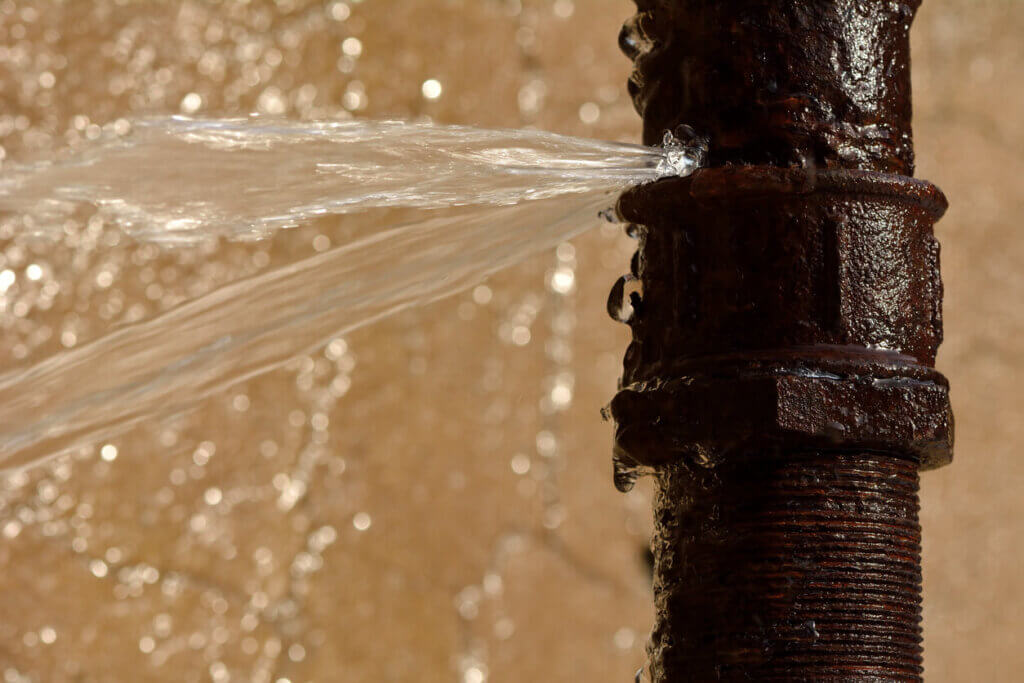
To understand how water pipes freeze, it’s essential to know that water is unique in its behavior. Unlike most substances, water expands when it freezes. This expansion can create immense pressure within the plumbing system. For instance, a 1/8 inch crack in a pipe can release up to 250 gallons of water in a single day, leading to severe water damage.
Common Myths About Frozen Water Pipes
Understanding the truth behind frozen water pipes is essential for homeowners to effectively prevent and manage potential water damage. Unfortunately, several myths can lead to misconceptions, making it crucial to clarify these misunderstandings and provide accurate information.
Myth #1: Frozen Water Pipes Only Occur in Extremely Cold Climates
While frigid temperatures increase the risk, frozen water pipes can occur in milder climates as well. Pipes located in unheated areas like attics, crawl spaces, and exterior walls are susceptible to freezing even when outdoor temperatures are relatively moderate. Sudden temperature drops or inadequate insulation can cause pipes to freeze regardless of the overall climate. Homes in North and South Carolina, and Georgia, are vulnerable to frozen pipes because they aren’t built for freezing weather – typically they are located in unprotected areas such as crawl spaces, exterior walls, or attics.
Expert Advice
- Combine dripping faucets with other protective measures, like insulation and heating.
- Keep cabinet doors under sinks open to allow warm air to circulate around pipes.
Myth #2: Leaving a Faucet Dripping Prevents Frozen Pipes
While a slow drip might help reduce pressure in water pipes, it’s not a guaranteed solution. The volume and temperature of the dripping water play a crucial role. A minimal drip might not provide enough flow to prevent freezing, especially in extremely cold conditions. Additionally, dripping water can lead to wasted water and higher utility bills.
Expert Advice
- Combine dripping faucets with other protective measures, like insulation and maintaining consistent indoor temperatures.
- Keep cabinet doors under sinks open to allow warm air to circulate around pipes.
Myth #3: Only Cold Water Pipes Freeze
Both hot and cold water pipes are susceptible to freezing. Cold water pipes, often located in colder areas like basements or exterior walls, are more vulnerable. However, hot water pipes can also freeze if the water heater is turned off or malfunctions, allowing the water inside the pipes to cool down and freeze.
Expert Advice
- Insulate both hot and cold water pipes, especially in unheated or exposed areas.
- Ensure your water heater is functioning properly to maintain consistent hot water flow.
Myth #4: Hair Dryers and Open Flames are Safe for Thawing Frozen Pipes
Using hair dryers or open flames like blowtorches to thaw frozen water pipes is highly dangerous and can exacerbate the problem. The intense heat can damage PVC pipes and create a fire hazard. Additionally, the sudden temperature change can cause the pipe to burst due to pressure build-up from steam.
Expert Advice
- Use a space heater or heat lamp, ensuring it’s placed safely away from flammable materials.
- Wrap the pipe with a towel soaked in hot water.
- Contact a professional plumber if the pipe remains frozen.
Myth #5: Homeowner’s Insurance Always Covers Frozen Water Pipe Damage
While many homeowner’s insurance policies cover water damage caused by frozen pipes, there are often exclusions. Neglect, such as failing to maintain adequate indoor temperatures or properly insulate pipes, might void coverage. It’s crucial to review your insurance policy carefully and understand its terms and limitations.
Myth #6: All Frozen Water Pipes Burst
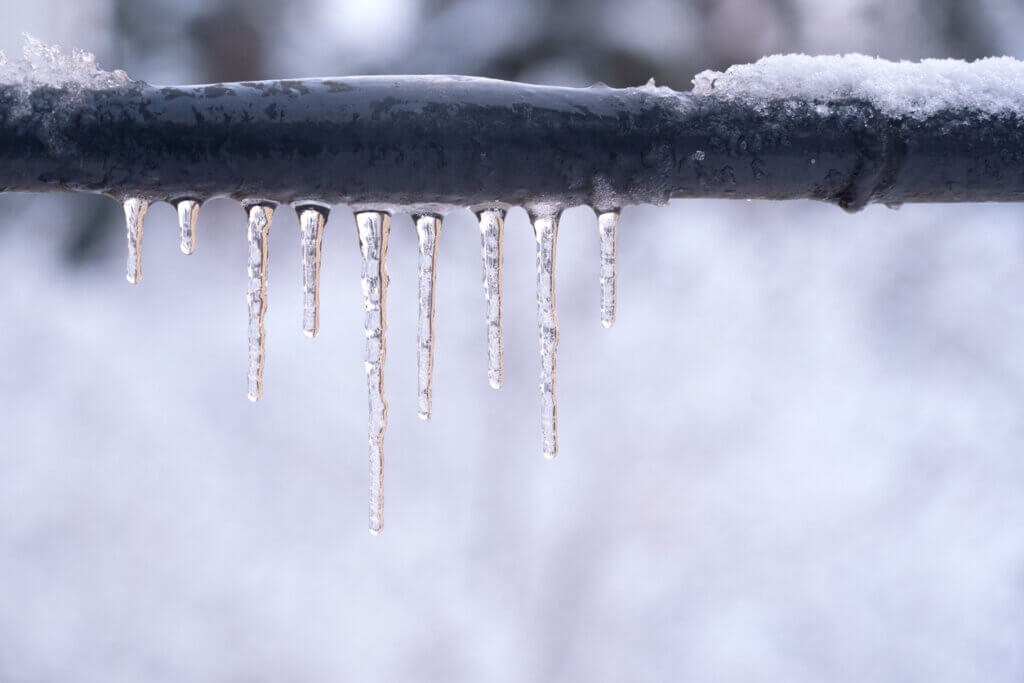
Not all frozen pipes result in bursts. Sometimes, pipes freeze without cracking, leading to reduced water flow or temporary blockage. However, it’s crucial to address any signs of frozen pipes immediately, as the potential for bursting remains. Even if the pipe hasn’t burst, the pressure build-up from the expanding ice can weaken the pipe, increasing the risk of future damage.
Expert Advice
- Monitor pipes for any signs of freezing, such as reduced water flow or visible frost.
- Take immediate action to safely thaw frozen pipes using safe heat sources like a space heater or warm towels.
- Inspect pipes after thawing for any signs of damage or weakness, and consider having them checked by a professional plumber to ensure long-term integrity.
Myth #7: You Can Ignore a Frozen Pipe if It’s Not Leaking
Ignoring a frozen pipe, even without visible leaks, is a risky approach. A frozen pipe indicates a vulnerability in your plumbing system. The expanding ice can weaken the pipe, leading to potential leaks or bursts in the future. It’s essential to take immediate steps to thaw the frozen pipe safely and prevent further damage.
Expert Advice
- Turn off the water supply immediately if you suspect a frozen pipe.
- Slowly thaw the pipe and check for leaks as the ice melts.
- Call a professional plumber to inspect and repair any damage.
Myth #8: Frozen Water Pipes Only Affect the Plumbing System
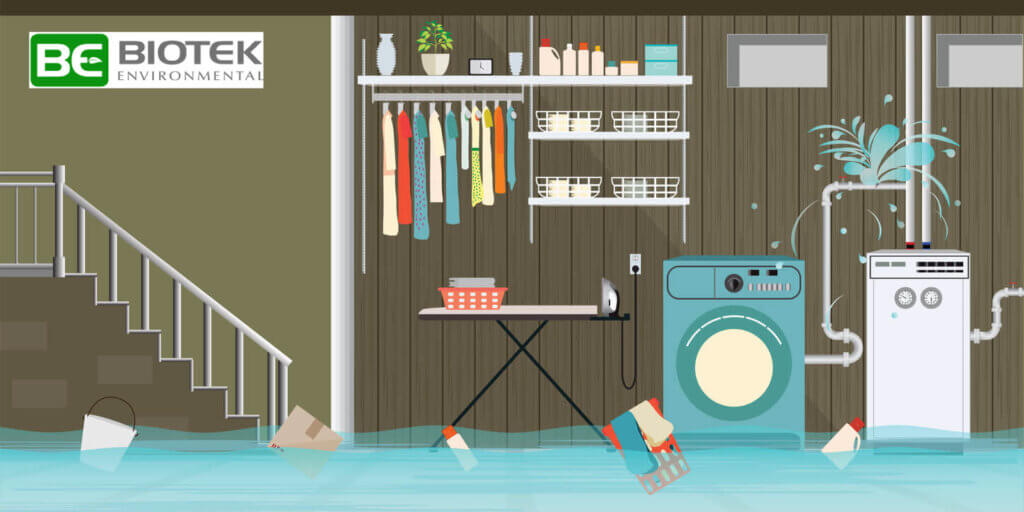
Frozen water pipes can have far-reaching consequences beyond the plumbing system. Water damage from burst pipes can affect walls, floors, ceilings, furniture, and electrical systems, leading to costly repairs and potential health hazards from mold growth.
Expert Advice
- In case of a frozen or burst pipe, promptly shut off the main water supply to minimize water damage.
- After addressing the immediate issue, thoroughly inspect for hidden water damage in concealed areas like behind walls and under floors.
- Schedule routine professional inspections to identify and address potential weaknesses in your plumbing system proactively.
Myth #9: Chemical Drain Cleaners Can Thaw Frozen Water Pipes
Using chemical drain cleaners to thaw frozen water pipes is ineffective and potentially dangerous. These chemicals are designed to dissolve clogs, not melt ice. They can generate heat, which might seem helpful, but the uncontrolled reaction can damage pipes and release harmful fumes. Moreover, these chemicals are highly corrosive and can cause burns if they come in contact with skin.
Myth #10: It’s Easy to Thaw Frozen Water Pipes Yourself
While some minor frozen pipe situations can be addressed with simple measures like applying heat with a towel soaked in warm water, it’s often best to call in professionals. They have the expertise, experience, and specialized equipment to thaw pipes safely and effectively. Attempting DIY thawing without proper knowledge can worsen the situation, leading to burst pipes and extensive water damage.
Frequently Asked Questions
Q1. How can I tell if a pipe is frozen?
Common signs of frozen water pipes include:
- No water or reduced water flow: When you turn on a faucet, little or no water comes out.
- Frost: Visible frost on the pipe’s exterior.
- Bulging pipes: A frozen pipe may appear slightly larger or have bulges.
- Strange noises: Unusual sounds like banging or gurgling coming from the pipes.
Q2. What should I do if I suspect a frozen pipe?
If you think a pipe is frozen, you should take action immediately:
- Shut off the main water supply: This will help prevent flooding if the pipe bursts.
- Open the faucet: This will help relieve pressure and allow water to flow as the ice melts.
- Apply heat: You can use a hairdryer, a heating pad, or towels soaked in warm water. Do not use an open flame.
- Call a plumber: If you are unable to thaw the pipe yourself or if it has burst, call a licensed plumber immediately.
Q3. Can I prevent frozen pipes from happening again?
- You can take steps to prevent frozen pipes in the future:
- Insulate pipes: This is especially important for pipes in unheated areas.
- Seal leaks: Air leaks can let cold air in, increasing the risk of freezing.
- Keep your home warm: Even when you are away, maintain a temperature of at least 55°F.
- Let faucets drip: A slow drip can help prevent freezing, especially during extreme cold.
Q4. How much does it cost to repair damage from frozen pipes?
The cost of repairing damage from frozen pipes can vary greatly depending on the extent of the damage. A simple pipe repair may cost a few hundred dollars, but if there is significant water damage, the cost could be in the thousands or even tens of thousands of dollars.
Q5. What are the signs of water damage from a burst pipe?
Obvious signs of water damage from a burst pipe include flooding and standing water. Less obvious signs include:
- Water stains: Discoloration on walls, ceilings, or floors.
- Peeling paint or wallpaper: This can be a sign of moisture behind the walls.
- Musty odor: A damp, musty smell can indicate mold growth.
- Warped or swollen materials: Wood floors, furniture, or drywall may warp or swell when exposed to water.
It’s always a good idea to contact a professional plumber or water damage restoration company for assistance if you suspect water damage due to frozen pipes. They can accurately assess the damage, make the necessary repairs, and help you prevent future problems.
Protecting Your Home: Proactive Measures and Professional Help
Preventing frozen pipes is the most effective way to avoid costly repairs and potential hazards. Simple measures like insulating vulnerable pipes, sealing drafts, and maintaining consistent indoor temperatures can significantly reduce the risk of freezing. However, when faced with frozen or burst pipes, swift action is critical. Shut off the main water supply to minimize damage and contact a reputable water damage restoration company like BioTek Environmental Inc. immediately.
Why Choose BioTek Environmental Inc.?
BioTek Environmental Inc. is a leading water damage restoration company with extensive experience in handling frozen water pipe situations. We offer:
- 24/7 Emergency Service: BioTek understands the urgency of water damage situations and offers round-the-clock emergency services, ensuring prompt response and immediate action.
- Experienced Technicians: Their team of certified professionals possesses the expertise and skills to assess damage accurately, thaw pipes safely, and restore your property to its pre-loss condition.
- Advanced Equipment: BioTek utilizes state-of-the-art equipment, including thermal imaging cameras, to detect hidden leaks and moisture, ensuring a thorough and effective restoration process.
- Comprehensive Services: From water extraction and drying to mold remediation, BioTek provides a complete range of restoration services, addressing all aspects of water damage caused by frozen water pipes.
- Customer Satisfaction: BioTek prioritizes customer satisfaction, offering clear communication, transparent pricing, and a commitment to delivering exceptional service. Our dedication to quality has earned us an A+ rating with the Better Business Bureau and numerous Angie’s List Super Service Awards.

Don’t let frozen pipes wreak havoc on your home. Be proactive, take preventative measures, and contact BioTek Environmental Inc. at the first sign of trouble. Our expertise and prompt action can help minimize damage, restore your property, and give you peace of mind.
You can depend on Biotek Environmental, Inc. to provide you with professional water damage repair and restoration services in NC, Georgia, and SC, including Columbia, Greenville, Spartanburg, and Augusta.