

Water damage is one of the most common and costly problems that homeowners face. According to the Insurance Information Institute, water damage accounts for about 23% of all property damage claims in the United States, with an average cost of almost $11,000 per claim. Water damage can affect any part of your home, but the bathroom is especially prone to it due to the frequent use of water and the presence of various fixtures and pipes. Water damage can cause structural damage, mold growth, health hazards, and expensive repairs.
If you want to protect your bathroom from water damage, you need to know what causes it, how to prevent it, and how to detect and repair it before it affects other parts of your home. The water damage experts at BioTek Environmental Inc. would like to share with you some valuable information and tips on how to keep your bathroom dry and safe.
What Causes Water Damage in the Bathroom?
The bathroom is one of the most vulnerable areas in your home when it comes to water damage. This is because there are many sources of water in the bathroom, such as faucets, showers, tubs, toilets, sinks, and pipes. Any of these can leak, overflow, or malfunction, causing water to spill or seep into places where it shouldn’t be.
Some of the common causes of water damage in the bathroom are:
Leaky or Burst Pipes
Pipes can leak or burst due to corrosion, high water pressure, freezing temperatures, or physical damage. Leaky pipes can drip water behind walls, under floors, or inside cabinets, creating hidden moisture that can lead to mold and rot. Burst pipes can cause sudden flooding that can damage your flooring, walls, ceiling, and fixtures.

Faulty or Worn-Out Fixtures
Faucets, shower heads, tub spouts, and toilet valves can wear out over time and develop leaks or drips. These leaks can waste water and cause stains or damage to your sink, tub, shower, or floor. Faulty fixtures can also cause water to spray or splash outside the intended area, creating puddles or dampness that can attract mold and mildew.
Clogged or Overflowing Drains
Drains can get clogged by hair, soap scum, dirt, or other debris that accumulate over time. Clogged drains can slow down the water flow and cause backups or overflows in your sink, tub, shower, or toilet. Overflowing water can spill over the edge of your fixtures and flood your bathroom floor or seep into cracks and crevices.
Cracked or Missing Grout or Caulk
Grout and caulk are used to seal the gaps between tiles and fixtures in your bathroom. They prevent water from getting behind the tiles or fixtures and damaging the underlying materials. However, grout and caulk can crack or peel off due to age, wear and tear, or improper installation. Cracked or missing grout or caulk can allow water to penetrate into the walls or floors of your bathroom and cause mold and rot.
High Humidity or Condensation
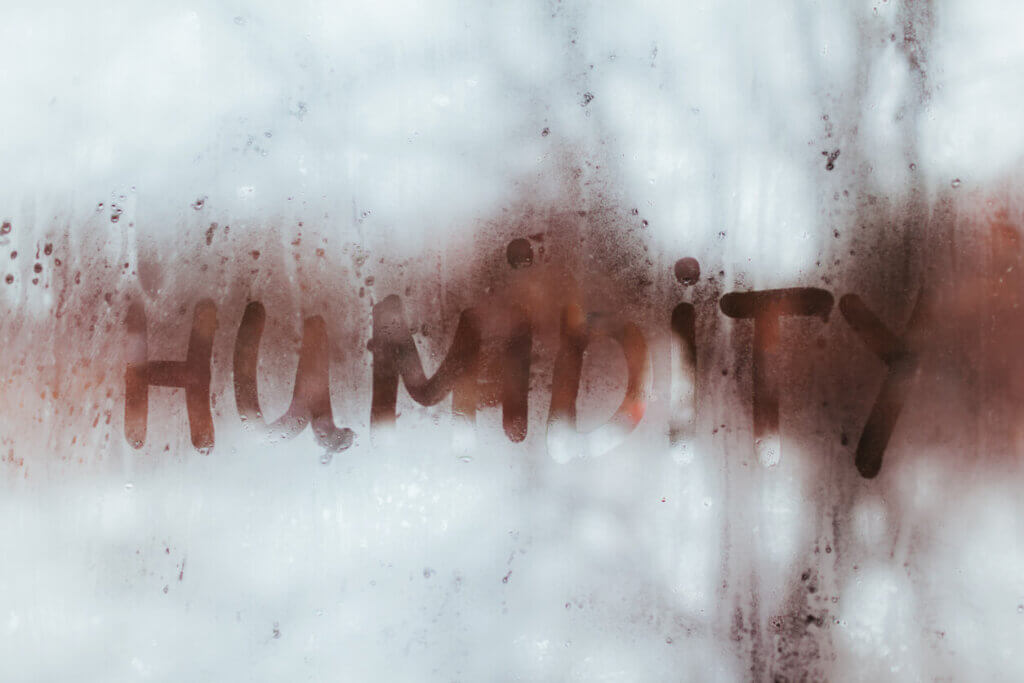
Humidity is the amount of moisture in the air. As most of you know, high humidity can occur in your bathroom due to steam from hot showers or baths, especially if you have poor ventilation, or lack of air circulation. High humidity can make your bathroom feel damp and stuffy and create condensation on your windows, mirrors, walls, ceiling, and fixtures. The condensation occurs as a result of water vapor turning into liquid droplets when it comes into contact with a cold surface. Unfortunately, condensation can drip down from your surfaces and create wet spots or stains that can harbor mold and mildew.
How to Prevent Water Damage in Your Bathroom?
Water damage in your bathroom can be prevented by taking some simple precautions and performing regular maintenance. Here are some tips on how to protect your bathroom from water damage:
- Inspect your pipes and fixtures regularly to check for any signs of leaks, drips, cracks, corrosion, or wear and tear on your pipes and fixtures. If you notice any problems, fix them as soon as possible or call a professional plumber for help.
- Use waterproof building materials that are resistant to moisture and mold for your bathroom walls, floors, countertops, and cabinets. For example, you should use marble or granite countertops and plastic medicine cabinets. You should avoid using exposed wood surfaces or other organic materials like paper or bamboo because these materials can absorb water and decay or rot over time.
- If there are gaps between surfaces and fixtures or windows, you should seal them using grout or caulk. By doing so, you will prevent moisture from penetrating these gaps and being absorbed causing rot and permitting mold to develop.
- According to Plumbworld all bathrooms should have a source ventilation. This can be in the form of an extractor fan or a window that be opened to prevent humidity and condensation build-up.
- Keep your bathroom dry by wiping up any spills or splashes as soon as they happen. It’s a good idea to use absorbent mats to absorb the moisture from your feet and always hang your towels and bathrobes to dry in a well-ventilated area. Don’t forget to drain your bathtub immediately after you have taken your bath. Likewise don’t leave standing water in your sinks since it can penetrate cracks and spaces that may exist in drains.
- Pay attention to how much water you use in your bathroom and avoid running the water for too long or using too much pressure. Use low-flow faucets, shower heads, and toilets to save water and reduce the risk of leaks or overflows.
- Check your water bill and meter regularly for any unusual spikes or changes that could indicate a hidden leak.
- Finally, make sure you know how to check your shut-off valves. Shut-off valves are handy devices that let you control the water flow to your fixtures. You can find them under the sink, behind the toilet, or in the basement. They are great for turning off the water to a specific fixture if there is a leak or overflow. You should test your shut-off valves often to make sure they are working well and easy to reach. If you have flexible supply lines attached to them, make sure they are firmly connected to both the valve and the fixture.
How to Detect and Repair Water Damage in Your Bathroom?
Despite your best efforts, water damage can still occur in your bathroom due to unforeseen circumstances, poor installation, or hidden problems. If you suspect or notice any water damage in your bathroom, you should act quickly to minimize the potential for further damage and mold growth. Here are some steps to take if you detect or experience water damage in your bathroom:
Identify the Source and Extent of the Water Damage
Look for any signs of water damage, such as discoloration, stains, warping, bubbling, peeling, cracking, or softness on your walls, floors, ceiling, or fixtures. Follow the trail of water or moisture to locate the source of the leak or overflow. If the source is not obvious or accessible, you may need to call a professional plumber or water damage restoration company like BioTek Environmental Inc. for help.
Stop the Water Flow and Remove Excess Water
Turn off the main water supply to your home or use the shut-off valves to isolate the affected fixture. Use towels, mops, buckets, or wet/dry vacuums to soak up or remove as much water as possible from the affected area. Dispose of any items that are soaked or damaged beyond repair.
Dry and Dehumidify
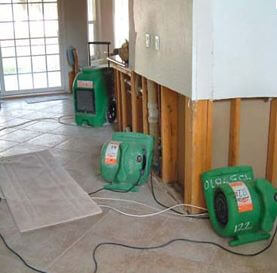
Use fans, dehumidifiers, heaters, or open windows to dry and ventilate the area. Aim for a humidity level of less than 60%. Drying and dehumidifying the area can prevent mold growth and further damage.
Clean and Sanitize
Use mild detergent, bleach, vinegar, or other disinfectants to clean and sanitize the area. Wear gloves, masks, goggles, and protective clothing when handling contaminated materials or chemicals. Scrub any visible mold or mildew with a stiff brush and discard any porous materials that cannot be cleaned or dried.
Repair or Replace Damaged Materials
Depending on the extent of the damage, you may need to repair or replace some of the materials in your bathroom. For example, you may need to patch up holes in drywall, reapply grout or caulk, repaint walls or ceiling, reinstall tiles or fixtures, replace flooring or subflooring, etc. If you are not confident or experienced in doing these repairs yourself, you may want to hire a professional contractor or have it done by your water restoration company.
Call BioTek Environmental Inc. for Water Damage and Mold Remediation Services
Protecting your bathroom from water damage is a crucial part of maintaining your home’s integrity. By following these expert tips, you can ensure that your bathroom remains a dry, comfortable, and safe space. However, water damage and mold remediation are challenging tasks to handle on your own. They may require specialized equipment, skills, and knowledge to ensure a safe and effective restoration of your bathroom. If you have experienced severe water damage or mold infestation in your bathroom, you may need professional help from BioTek Environmental Inc.
Since 2007, we have been providing water damage and mold remediation services in Columbia, Charlotte NC, and Augusta GA. We have been serving residential and commercial customers with quality workmanship and customer satisfaction. We have a team of teams of experienced technicians who can handle any type of water damage or mold problem in your bathroom.

We offer:
- 24/7 emergency response
- Free estimates and inspections
- Fast and efficient service
- State-of-the-art equipment and techniques
- Safe and eco-friendly products and methods
- Complete restoration and reconstruction
Don’t wait until it’s too late; contact us today for a professional assessment and remediation. Your bathroom, your health, and your home deserve the best care.
